
Apple Just Filed the Lawsuit That Could Destroy OpenAI
In this live episode, host Tom Bilyeu and co-host Ryan analyze a highly eventful weekend of geopolitical developments, economic shifts, and corporate warfare. The duo begins by unpacking the sudden death of Senator Lindsey Graham at age 71, examining the immediate wave of online conspiracy theories versus the official...



- 01
US Central Command struck approximately 140 Iranian military targets in a single night, marking the most intense aerial bombardment since the June ceasefire.
- 02
Anduril's Palmer Luckey designed a low-cost cruise missile requiring 90% fewer parts, allowing mass production using existing automotive assembly lines.
- 03
Apple filed a federal lawsuit against OpenAI alleging systematic trade secret theft, including the illicit download of over 1,000 pages of proprietary hardware documents.
- 04
Despite active conflict in the Strait of Hormuz, oil prices stabilized near $72 due to unexpected demand elasticity and curtailment from China.
- 05
Army nuclear scientist Andrew Hug was placed on administrative leave after being caught on camera disclosing classified missile locations to an undercover reporter.
- 06
Canada slashed its tariff on Chinese electric vehicles from 100% to 6.1%, triggering warnings of a potential trade war with the United States.
- 07
The upcoming adaptation of The Odyssey faces online backlash for its casting choices and its hyper-left-leaning interpretation of Homer's classic text.
- 08
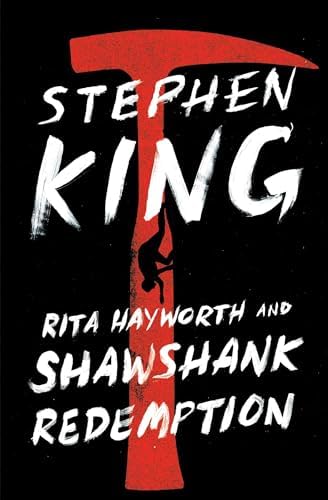
Similar to the character Red in Stephen King's Rita Hayworth and Shawshank Redemption, film adaptations often successfully swap character demographics without ruining the narrative.
Get the latest ideas from Tom Bilyeu.
Plus the best new takeaways about energy from other top podcasts — read in minutes, not hours.
By continuing, you agree to Podbrain's Terms and Privacy Policy.
These notes may contain occasional inaccuracies. Learn how Podbrain notes are made
In this live episode, host Tom Bilyeu and co-host Ryan analyze a highly eventful weekend of geopolitical developments, economic shifts, and corporate warfare. The duo begins by unpacking the sudden death of Senator Lindsey Graham at age 71, examining the immediate wave of online conspiracy theories versus the official medical report of cardiovascular disease. They transition to the escalating conflict in the Middle East, where US Central Command launched massive airstrikes against 140 Iranian targets, and discuss why global oil markets have remained surprisingly flat despite the threat of supply disruptions.
The conversation then shifts to trade tensions as Canada lowers tariffs on Chinese electric vehicles, sparking warnings of a trade war with the United States. In the corporate arena, they dissect Apple's massive industrial espionage lawsuit against OpenAI. Finally, they highlight Palmer Luckey's revolutionary cruise missile manufacturing strategy, a security breach involving a US nuclear scientist, and the cultural debate surrounding Christopher Nolan's upcoming film adaptation of The Odyssey, drawing comparisons to the demographic changes seen in the adaptation of Rita Hayworth and Shawshank Redemption.
Geopolitical Fallout of Lindsey Graham's Sudden Death
Senator Lindsey Graham passed away suddenly at age 71 at George Washington University Hospital due to an aortic dissection.
The timing of Graham's death immediately sparked diverse conspiracy theories, ranging from Russian airstrikes in Ukraine to Iranian assassination plots.
"Extraordinary claims require extraordinary evidence. I think in the fullness of time we're gonna realize that this was just a guy with a bad diet." - Tom
US Air Superiority and the Escalating Conflict in Iran
US Central Command struck roughly 140 Iranian military targets, including missile sites, drone launch facilities, and naval assets, in a single round.
The strikes represent the heaviest sustained bombing since the war supposedly ended with the vague Memorandum of Understanding (MOU).
Iran's military strategy relies on deep underground tunnels to protect assets from US air superiority, creating a continuous cat-and-mouse engineering challenge.
"These guys are extraordinarily good at negotiating because what they do is they buy themselves time. They say they're going to do one thing, then they do another." - Tom
The Curious Case of Flat Oil Curves and Demand Destruction
Despite active military strikes in the Strait of Hormuz, Brent and WTI crude prices have remained flat, hovering around $72 to $75 per barrel.
Ken Griffin attributes the price stability to unexpected demand elasticity from China, which has dramatically curtailed its crude oil imports.
Financial analyst Jeff Snyder argues that the flattening oil curve signals a severe global economic slowdown rather than a simple supply-side shock.
"The global economy is weakening so quickly that even constrained supply is becoming more than enough of it." - Tom
US-Canada Trade Friction and China's Economic Influence
The Trump administration's refusal to renew the USMCA trade deal shifts the agreement to a highly volatile yearly review cycle.
Canada slashed its tariff on Chinese electric vehicles from 100% to 6.1% in exchange for China lowering canola tariffs to 15%.
The US warned Canada against becoming a 'drop-off port' for Chinese manufacturing looking to bypass American tariffs.
Tom warns that relying on cheap Chinese imports and high immigration to sustain welfare states leads to long-term domestic economic decline.
Apple Files Massive Industrial Espionage Suit Against OpenAI
Apple filed a federal lawsuit alleging systematic trade secret theft by OpenAI, targeting former Apple executives who transitioned to the AI firm.
The lawsuit claims former Apple employees downloaded over 1,000 pages of confidential circuit board designs and brought physical hardware to interviews.
Elon Musk publicly mocked Sam Altman on social media, accusing OpenAI of transitioning from an open-source charity to an IP thief.
"Apple and OpenAI will spend an ungodly amount of money and time and focus on fighting this." - Tom
Anduril's Automotive-Style Cruise Missile Manufacturing
Palmer Luckey's defense tech firm Anduril has developed a low-cost cruise missile designed to be mass-produced in civilian automotive factories.
By utilizing 90% fewer parts, the missiles can be assembled in a fraction of the time required by traditional aerospace manufacturing plants.
Luckey stated that the high-volume, low-cost missile system is explicitly designed to deter China from taking military action against Taiwan.
Honeypots, Nuclear Secrets, and the Vulnerability of Men
Army nuclear scientist Andrew Hug was placed on administrative leave after an O'Keefe Media Group sting caught him leaking classified information.
Hug allegedly disclosed the locations of four underground nuclear missiles and details of the launch process to an undercover female reporter.
"It is a source of never-ending amusement how easily manipulated men are with sex. You're having a biological experience, and when you lose sight of that, you lose sight of it at your own peril." - Tom
Cultural Debates Over Nolan's Adaptation of The Odyssey
Christopher Nolan's upcoming film adaptation of The Odyssey is drawing pre-release backlash for its casting choices and left-leaning interpretation.
Tom expresses optimism for the film, noting that early screenings suggest it is one of Nolan's finest cinematic achievements.
To contextualize the casting debate, Tom references Stephen King's Rita Hayworth and Shawshank Redemption, where the demographic swap of Red proved highly successful.

These notes may contain occasional inaccuracies. Learn how Podbrain notes are made
More in Self-Development

Why Everyone Is Drowning In Debt (and how to get out) - Caleb Hammer - #1123
Jul 13, 2026Why This DSA Win Should Terrify Every American
Jul 11, 2026
Is AI The Next Stage Of Human Evolution? - Robert Wright - #1122
Jul 11, 2026
Iran Ceasefire is DEAD, Spencer Pratt Quits & the DSA Says the Quiet Part Out Loud| The Tom Bilyeu Show
Jul 10, 2026
#871: The “Divine Leaf” with 8,000+ Years of Use — Exploring the Many Benefits of Coca with Dr. Andrew Weil and Wade Davis
Jun 25, 2026.svg)