
#871: The “Divine Leaf” with 8,000+ Years of Use — Exploring the Many Benefits of Coca with Dr. Andrew Weil and Wade Davis
In this episode, host Tim Ferriss interviews ethnographer and Harvard-trained ethnobotanist Wade Davis, author of 24 books including Into the Silence, and Dr. Andrew Weil, a pioneer in integrative medicine and founder of the Andrew Weil Center for Integrative...



- 01
Coca contains 14 alkaloids, but Western science ignored 13 of them once cocaine was isolated, leaving the whole plant's synergistic medical benefits unstudied.
- 02
A 1975 nutritional study revealed that coca is packed with vitamins, protein, and contains more calcium than any other plant studied.
- 03
Coca is to cocaine what potatoes are to vodka, illustrating the massive difference between a whole plant and an isolated compound.
- 04
As described in The Hold Life Has, denying indigenous Andean communities access to coca leaves is an act of cultural genocide.
- 05
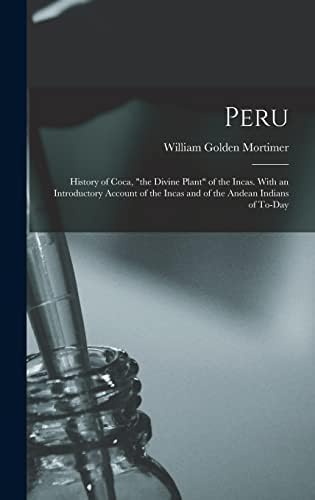
In Peru History of Coca, nineteenth-century physicians documented that coca acts as a subtle stimulant that improves focus without causing physical crashes.
- 06
The 1961 UN Convention on Narcotic Drugs continues to classify coca alongside fentanyl based on racist, pseudoscientific reports from the 1940s.
- 07
Wade Davis credits his immense productivity, including writing his award-winning historical book Into the Silence, to the sustained use of coca.
- 08
The history of ethnobotanical exploration of coca is beautifully documented in One River, which details the legacy of professor Richard Evan Schultes.
Get the latest ideas from Tim Ferriss.
Plus the best new takeaways about science from other top podcasts — read in minutes, not hours.
By continuing, you agree to podbrain's Terms and Privacy Policy.
These notes may contain occasional inaccuracies. Learn how podbrain notes are made
In this episode, host Tim Ferriss interviews ethnographer and Harvard-trained ethnobotanist Wade Davis, author of 24 books including Into the Silence, and Dr. Andrew Weil, a pioneer in integrative medicine and founder of the Andrew Weil Center for Integrative Medicine. They discuss the history, science, and cultural significance of the coca leaf, a plant with over 8,000 years of documented human use.
The speakers explore the medicinal properties of whole-plant coca, contrasting its synergistic effects with the isolated alkaloid cocaine. They examine how the plant regulates metabolism and treats gastrointestinal issues, drawing from historical research detailed in One River and Peru History of Coca.
Finally, they address the political and cultural demonization of the plant. Highlighting insights from The Hold Life Has, they discuss the devastating impacts of international drug policies on indigenous communities and outline a path forward through scientific research, education, and legal reform.
The Ethnobotanical and Medical Science of Coca
Coca contains 14 distinct alkaloids, of which cocaine is only one, and the remaining 13 have never been formally studied by Western pharmacologists.
As documented in Peru History of Coca, early medical observers noted that the leaf acts as a unique stimulant that allows sustained focus without a crash.
A landmark 1975 nutritional study by Tim Plowman and Jim Duke showed that coca is rich in vitamins, protein, and has more calcium than any other studied plant.
The whole plant exhibits paradoxical effects, such as treating both diarrhea and constipation, which suggests the body selectively utilizes different alkaloids.
The Cultural and Spiritual Significance of Coca
As anthropologist Catherine Allen argues in The Hold Life Has, denying Andean people their coca leaves is a form of cultural genocide.
Coca has been domesticated three separate times in pre-Columbian history, a botanical feat that is virtually unique in the history of agriculture.
In traditional Andean rituals, users make a 'quinta' or 'cruceta' of three perfect leaves to blow prayers and connect with the sacred landscape.
The plant serves as a vital social contract and mediator of community life, where even tools are offered coca leaves at the end of a workday.
The Racist Roots of Global Coca Prohibition
Efforts to eradicate traditional coca fields began 60 years before there was a cocaine abuse problem, driven by cultural prejudice against indigenous peoples.
A 1940s UN commission led by pharmaceutical executive Howard Fonda decided to mandate coca eradication before they even arrived in South America.
The international drug policies of today, including the 1961 UN Convention on Narcotic Drugs, rely on racist, pseudoscientific language written by Pablo Osvaldo Wolff.
Customs agents struggle to distinguish the raw plant from the drug, leading to absurd situations like a 2020 airport bust of 'green cocaine' that was actually mambé.
A Path Forward Through Research and Reform
Wade Davis credits his massive creative output, including writing the award-winning history Into the Silence, to the sustained, benign use of coca.
The ethnobotanical journey of studying these sacred plants under professor Richard Evan Schultes is detailed in the biographical book One River.
Dr. Christopher McCurdy at the University of Florida has recently secured a legal supply of whole coca leaves to study its effects on carbohydrate metabolism.
Creating a legal, licit export market for coca leaves would provide economic stability for 250,000 farming families in Colombia and curb deforestation.


These notes may contain occasional inaccuracies. Learn how podbrain notes are made
More in Self-Development

Gary's Economics Can't Answer This One Question About Wealth Taxes | Tom Reacts
Jun 25, 2026
Why You Don’t Feel Loved (even when you are) - Sonja Lyubomirsky - #1115
Jun 25, 2026
A User’s Guide To Kava: The Most UNDERRATED Plant Medicine w/ Cameron George #537
Jun 24, 2026
What Society Values in Men, Where Does a Man Start, and Why Humility Makes or Breaks Us | ASK ME ANYTHING
Jun 24, 2026
Socialist Takeover in New York City, USAID Funded NGOs That Destabilized Governments, Tolerance Becomes Suicidal When It Isn't Returned | The Tom Bilyeu Show
Jun 24, 2026
.svg)