
Why Everyone Is Drowning In Debt (and how to get out) - Caleb Hammer - #1123
In this episode, host Chris Williamson sits down with Caleb Hammer, creator and host of the popular YouTube show *Financial Audit*, to dissect the psychological, cultural, and behavioral forces driving modern debt. Hammer shares behind-the-scenes insights into his intense, high-stakes financial interventions...


- 01
The cost of living in most categories has dropped since the 1950s, except for three massive outliers: housing, healthcare, and higher education.
- 02
Caleb Hammer argues that personal finance is fundamentally about discipline and emotional regulation rather than complex mathematical optimization or systemic factors.
- 03
High-income earners often face the worst debt crises because their higher incomes qualify them for more predatory credit and lifestyle inflation.
- 04
Bankruptcy is often overblown as a threat, but it fails to resolve financial issues if the individual does not change their underlying behaviors.
- 05
A solid rule for car affordability is putting 20% down, financing for under three years, with payments below 8% of gross income.
- 06
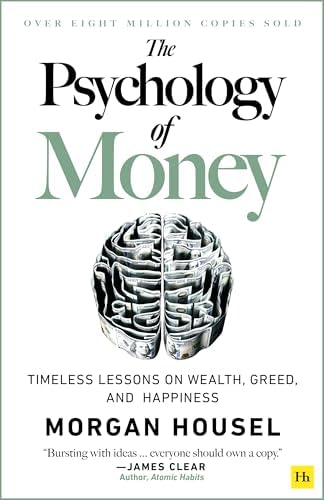
As explored in The Psychology of Money Timeless lessons on wealth, greed, and happiness, financial success relies heavily on behavior rather than raw intelligence.
- 07
While some hoard wealth out of fear, Die With Zero Getting All You Can from Your Money and Your Life advocates for optimizing life experiences over net worth.
- 08
The United States is progressively adopting mandatory high school financial literacy courses, with nearly 40 states now requiring personal finance education.
Get the latest ideas from Chris Williamson.
Plus the best new takeaways from other top podcasts — read in minutes, not hours.
By continuing, you agree to Podbrain's Terms and Privacy Policy.
These notes may contain occasional inaccuracies. Learn how Podbrain notes are made
In this episode, host Chris Williamson sits down with Caleb Hammer, creator and host of the popular YouTube show *Financial Audit*, to dissect the psychological, cultural, and behavioral forces driving modern debt. Hammer shares behind-the-scenes insights into his intense, high-stakes financial interventions, explaining how he uses tough love to help guests confront their financial realities. The conversation covers the stark economic differences between the United States and the United Kingdom, the rising tide of Gen Z credit card debt, and the hidden traps of lifestyle inflation among high-income earners.
The speakers also debate different wealth philosophies, contrasting traditional saving models with the experience-focused mindset found in Bill Perkins' Die With Zero Getting All You Can from Your Money and Your Life. Additionally, they touch upon the behavioral principles highlighted in Morgan Housel's The Psychology of Money Timeless lessons on wealth, greed, and happiness, emphasizing that financial success is driven by emotional regulation rather than pure mathematical optimization. Hammer outlines his practical rules for car affordability, budgeting, and the critical importance of building a robust emergency fund.
The Behavioral Psychology of Chronic Debt and Financial Auditing
Hammer explains that his show, *Financial Audit*, focuses strictly on personal behavior because systemic issues are outside an individual's immediate control.
"Financial audit is more about what things you can control." - Caleb
The psychological toll of debt often leads to a "death of a thousand cuts" where individuals sedate their financial anxiety with further frivolous spending.
Many guests experience a flat-faced disengagement or panic during intense moments, requiring Hammer to pause filming and guide them through breathing exercises.
Debunking the Realities and Hidden Costs of Bankruptcy
While bankruptcy is not as physically brutal as people think, it severely limits access to fair financial services for seven to ten years.
"Bankruptcy doesn't actually fix anything unless you fix your behavior... you will literally end up right back there again in a few years." - Caleb
Hidden costs of bankruptcy include predatory 25% interest car loans, monthly fees on subprime credit cards, and requiring first and last month's rent for apartments.
The Big Three Outliers: Housing, Healthcare, and Education
The cost of almost every life category has dropped as a percentage of income since the 1950s, except for housing, healthcare, and school debt.
Hammer notes that individuals still maintain choice over college and housing, but healthcare remains an uncontrollable financial risk.
"For healthcare... I need to educate the fuck outta myself... It's one of the big three." - Caleb
To avoid crushing student debt, Hammer advises attending community college for two years before transferring to an in-state public university.
Economic Realities: United States Versus United Kingdom
Williamson and Hammer contrast the safety nets of the UK with the high-risk, high-reward capitalistic environment of the United States.
"The UK is a great country to be poor in and a terrible country to be rich in. And America is a terrible country to be poor in and a great country to be rich in." - Chris
The UK's implementation of austerity during the Great Recession objectively slowed its GDP recovery compared to the aggressive spending stimulus of the US.
High tax burdens and complex bureaucracy, such as the Value Added Tax (VAT) system, have contributed to a significant wealth and brain drain from the UK.
The Affordability Formula and Rules for Wealth Building
Hammer advocates for the 50/30/20 budgeting rule (50% needs, 30% wants, 20% investing) as the baseline for any household financial plan.
To afford a vehicle, buyers must follow the Money Guy rule: "You put 20% down, no longer than a 3-year term. And no more than 8% of your income is the monthly payment." - Caleb
While some wealth builders focus on ultra-conservative T-bills, Hammer argues that young entrepreneurs should let their first million grow in the stock market.
Engaging with different financial philosophies, such as those in The Psychology of Money Timeless lessons on wealth, greed, and happiness or Die With Zero Getting All You Can from Your Money and Your Life, helps clarify personal definitions of financial security.

These notes may contain occasional inaccuracies. Learn how Podbrain notes are made
More in Self-Development

Apple Just Filed the Lawsuit That Could Destroy OpenAI
Jul 13, 2026Why This DSA Win Should Terrify Every American
Jul 11, 2026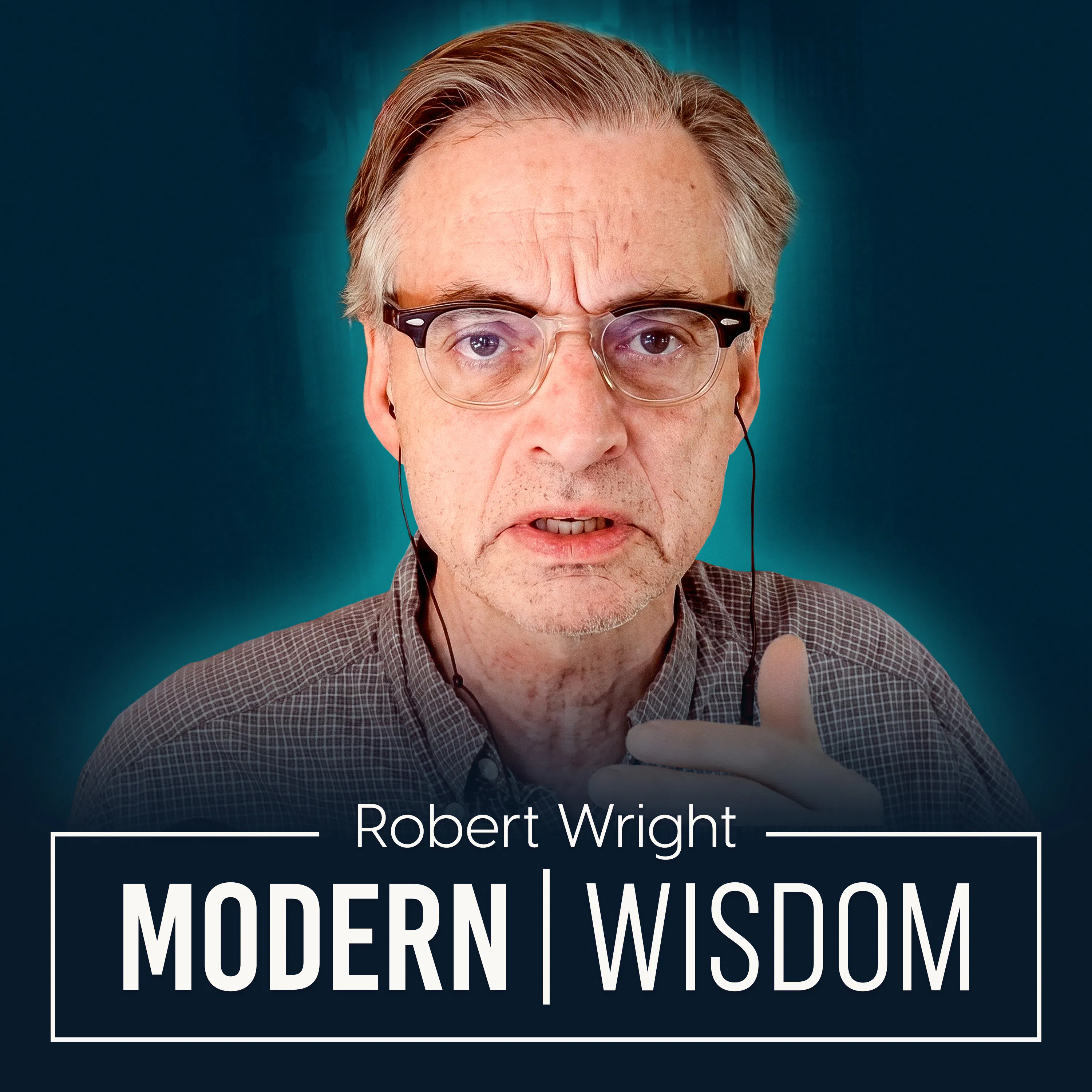
Is AI The Next Stage Of Human Evolution? - Robert Wright - #1122
Jul 11, 2026
Iran Ceasefire is DEAD, Spencer Pratt Quits & the DSA Says the Quiet Part Out Loud| The Tom Bilyeu Show
Jul 10, 2026
#871: The “Divine Leaf” with 8,000+ Years of Use — Exploring the Many Benefits of Coca with Dr. Andrew Weil and Wade Davis
Jun 25, 2026.svg)