
Stop Saying Yes When You Want to Say No (Use This Simple Daily Practice to Set Boundaries Without Guilt)
This episode explores the systematic reclaiming of inner peace through research-backed strategies for managing relationships, work boundaries, and internal mental patterns. The speaker draws from decades of psychological research to address how peace gets eroded through accumulated small surrenders rather than...


- 01
Peace is not the absence of storms but the ability to stand in the middle of them without being destroyed
- 02
Emotional labor, first described in The Managed Heart, is real work that depletes cognitive resources and is distributed unequally in relationships
- 03
The Harvard Study of Adult Development found relationship quality at 50 predicts health at 80, not cholesterol levels
- 04
Anticipatory stress from always-on work culture activates cortisol responses similar to actually dealing with problems
- 05
Distanced self-talk from Chatter research - referring to yourself by name - measurably reduces emotional intensity within minutes
- 06
People-pleasing is a survival strategy, not a personality trait, according to The Disease to Please research
- 07
Physical environments directly affect cortisol levels and cognitive function through measurable physiological stress markers
- 08
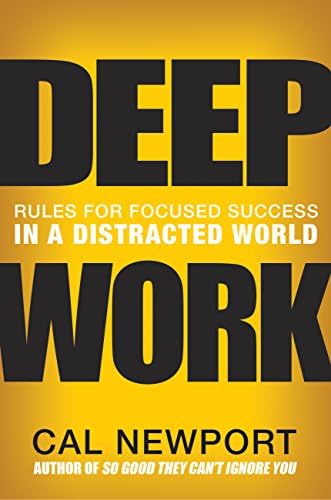
The most creative workers protect cognitive resources fiercely rather than staying constantly available, per Deep Work findings
Get the latest ideas from On Purpose with Jay Shetty.
Plus the best new takeaways from other top podcasts — read in minutes, not hours.
By continuing, you agree to Podbrain's Terms and Privacy Policy.
These notes may contain occasional inaccuracies. Learn how Podbrain notes are made
This episode explores the systematic reclaiming of inner peace through research-backed strategies for managing relationships, work boundaries, and internal mental patterns. The speaker draws from decades of psychological research to address how peace gets eroded through accumulated small surrenders rather than dramatic events.
The discussion covers three main areas where peace is lost: relationships that drain more than they give, work that has colonized mental space beyond professional hours, and internal thought patterns that create constant mental warfare. Key research is referenced from The Managed Heart on emotional labor, The Dance of Anger on family dynamics, Deep Work on cognitive protection, Chatter on self-regulation techniques, and The Disease to Please on people-pleasing patterns.
Rather than offering vague advice to 'set boundaries,' the episode provides specific, actionable strategies including relationship audits, non-negotiable daily peace anchors, and techniques for managing the internal critic that often sabotages external progress toward greater peace.
The Hidden Cost of Emotional Labor in Relationships
The Managed Heart by Hochschild first defined emotional labor as the invisible work of managing, soothing, and accommodating others' emotional states, which depletes the same cognitive resources as any other form of labor.
Family roles assigned in childhood - the peacekeeper, responsible one, scapegoat - become embedded in our nervous systems and enacted automatically throughout life unless deliberately examined.
The Dance of Anger research shows overfunctioning in families creates self-reinforcing loops: 'The more you manage, the more you're expected to manage. The more you absorb, the more there is to absorb.'
The Harvard Study of Adult Development spanning 80 years found relationship quality at age 50 predicted health at 80 - not cholesterol levels, but actual relationship quality.
How Work Colonizes Mental Space Beyond Hours
Anticipatory stress from constant work availability keeps the nervous system in low-level alert even when not actively working - cortisol responses are similar whether dealing with problems or waiting for them.
Deep Work research by Cal Newport shows the most creative, important work comes from those who protect cognitive resources fiercely, not from those who are always available.
When work becomes identity rather than function, any criticism feels existential and any failure feels like evidence of fundamental inadequacy.
Carol Dweck's research found people who define identity through performance outcomes are measurably more anxious, less resilient, and less creative than those focused on effort and process.
Research-Backed Techniques for Internal Peace
Chatter research by Ethan Kross provides distanced self-talk: referring to yourself by name activates prefrontal cortex regulation and reduces emotional intensity within minutes.
Temporal distancing from Kross's work involves asking 'Will this matter in 10 years? 5 years? 1 year?' to recalibrate perspective that anxiety systematically destroys.
The Disease to Please research shows chronic people-pleasing is not a personality trait but a survival strategy that developed when making others comfortable felt safer than honoring personal needs.
Environmental psychology research demonstrates cluttered spaces maintain low-level cognitive load while natural light and nature elements measurably reduce physiological stress markers.
Five Practical Strategies for Reclaiming Peace
Conduct a specific drain audit with three columns: people who leave you depleted, environments where you feel agitated, and personal patterns that reliably produce peace loss.
Create one non-negotiable peace anchor daily - not a complex routine, but one protected thing that restores you before time disappears into others' needs.
Practice deliberate disappointment: 'You are allowed to say I can't make it, I need this weekend to myself, I don't have capacity for that right now.'
Roy Baumeister's self-regulation research shows people with strongest self-control structure their lives so important things require least willpower to protect.
The radical practice of doing nothing as its own complete act - not as recovery for better performance, but as recognition that living beings need rest like they need water.




These notes may contain occasional inaccuracies. Learn how Podbrain notes are made
More in Self-Development

Apple Just Filed the Lawsuit That Could Destroy OpenAI
Jul 13, 2026
Why Everyone Is Drowning In Debt (and how to get out) - Caleb Hammer - #1123
Jul 13, 2026Why This DSA Win Should Terrify Every American
Jul 11, 2026
Is AI The Next Stage Of Human Evolution? - Robert Wright - #1122
Jul 11, 2026
Iran Ceasefire is DEAD, Spencer Pratt Quits & the DSA Says the Quiet Part Out Loud| The Tom Bilyeu Show
Jul 10, 2026
.svg)