
Still Thinking About Your Ex? (Use This 2-Step Reset to Stop the Spiral for Good!)
This episode examines the neuroscience and psychology behind why people romanticize ex-partners after breakups. The host explains how the brain systematically distorts memories of past relationships, creating highlight reels that bear little resemblance to reality.


- 01
Your brain edits memories after loss, amplifying positives and suppressing negatives - you remember a relationship 40% better than it actually was
- 02
Breakup obsession activates the same brain regions as cocaine addiction - you're experiencing neurochemical withdrawal, not proof of exceptional love
- 03
The person you're missing is a construction - your brain creates a highlight reel that represents fragments, not the full relationship
- 04
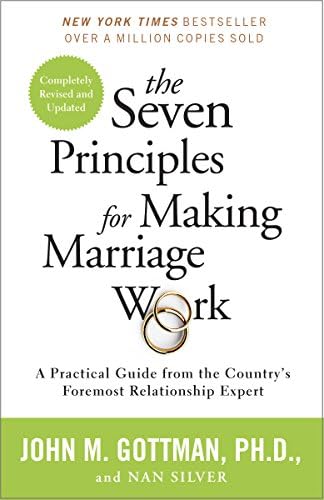
Gottman's research shows relationship failure patterns exist an average of six years before breakups actually occur
- 05
Romantic grief often connects to childhood attachment wounds - you're not just mourning this person, but re-experiencing much older losses
- 06
No contact is neurological detox - every social media check or text reactivates dopamine circuits and restarts withdrawal
- 07
Viktor Frankl's principle applies: between stimulus and response lies the space where you can choose your reaction to breakup pain
- 08
True healing requires feeling grief without romanticizing it - grief moves and transforms, while romanticization loops endlessly
Get the latest ideas from On Purpose with Jay Shetty.
Plus the best new takeaways from other top podcasts — read in minutes, not hours.
By continuing, you agree to Podbrain's Terms and Privacy Policy.
These notes may contain occasional inaccuracies. Learn how Podbrain notes are made
This episode examines the neuroscience and psychology behind why people romanticize ex-partners after breakups. The host explains how the brain systematically distorts memories of past relationships, creating highlight reels that bear little resemblance to reality.
Drawing from research by cognitive psychologist Elizabeth Loftus on memory distortion and Helen Fisher's neuroimaging studies of romantic rejection, the discussion reveals how breakup obsession mirrors addiction withdrawal. The episode explores attachment theory through Sue Johnson's work and incorporates wisdom from Viktor Frankl and Pema Chödrön.
The content provides practical tools for interrupting romanticization patterns, including the neuroscience of no-contact rules, full-picture exercises, and identity rebuilding. The focus shifts from managing breakup pain to understanding its deeper connections to childhood attachment wounds and using the experience for genuine healing.
Your Brain Is Rewriting History After Loss
Memory is not a recording but a reconstruction - every time you retrieve a memory, you rebuild it based on current emotional state and needs, as established by cognitive psychologist Elizabeth Loftus.
After loss, the brain has a predictable bias: it amplifies positive memories and suppresses negative ones, creating a version of the relationship that was approximately 40% better than reality.
You end up 'watching the trailer for your relationship, not the film' - your brain cuts together the best moments while editing out chronic patterns of dismissal, arguments, and feeling small.
Breakup Obsession Is Neurochemical Withdrawal
Helen Fisher's fMRI research at Rutgers University showed that viewing photos of an ex activates the same brain regions as cocaine addiction - the ventral tegmental area and reward prediction circuits.
When relationships end, the brain's reward system experiences violent disruption of predicted rewards, creating withdrawal symptoms identical to substance addiction.
Deprivation amplification makes unavailable things more desirable - you might be 'partially in love with the unavailability itself' rather than the actual person.
As Man's Search for Meaning teaches: 'Between stimulus and response, there is space. In that space is our power to choose our response' - understanding brain processes creates the power to choose differently.
The Four Horsemen Were Already There
John Gottman's forty years of couples research identified the 'four horsemen of relationship failure': contempt, criticism, defensiveness, and stonewalling.
These destructive patterns exist for an average of six years before relationships actually end - meaning the problems were consistent and real, not temporary misunderstandings.
The key question isn't whether they were wonderful, but 'Were you more yourself or less yourself? Were you growing toward who you want to be or constantly accommodating and shrinking?'
You're Grieving Something Much Older
Sue Johnson's attachment research shows that adult romantic attachment operates on top of the entire architecture built since infancy - breakups often reactivate childhood wounds.
Anxious attachment creates 'the constant background hum that love is precarious' while avoidant attachment teaches that 'needing people is dangerous.'
The grief about this person becomes 'a portal into grief that has been sitting in the body for much longer' - you're re-experiencing every moment when love felt conditional or approval was withdrawn.
When Things Fall Apart teaches about 'groundlessness' - when the floor falls away, you discover whether you were standing on solid ground or the illusion of someone else holding you up.
Five Tools to Interrupt the Spiral
No contact is neurological detox - every social media check, casual text, or drive past their place reactivates dopamine circuits and restarts withdrawal.
The full picture exercise: draw a line down paper, list what you genuinely miss on the left, and what you've been selectively forgetting on the right - force your brain to hold accuracy rather than the highlight reel.
Pattern interruption works better than thought suppression - when the spiral starts, immediately do something physical that requires genuine attention, then name the emotion: 'I am experiencing a craving for this person.'
Rebuild identity by recovering what you stopped doing in the relationship - 'Every time you do something purely authentically yours, you rebuild the self concept that the relationship eroded.'
Let grief be grief, not romanticization - grief moves in waves and transforms you, while romanticization loops endlessly and keeps you stuck in 'what if' stories.



These notes may contain occasional inaccuracies. Learn how Podbrain notes are made
More in Self-Development

Apple Just Filed the Lawsuit That Could Destroy OpenAI
Jul 13, 2026
Why Everyone Is Drowning In Debt (and how to get out) - Caleb Hammer - #1123
Jul 13, 2026Why This DSA Win Should Terrify Every American
Jul 11, 2026
Is AI The Next Stage Of Human Evolution? - Robert Wright - #1122
Jul 11, 2026
Iran Ceasefire is DEAD, Spencer Pratt Quits & the DSA Says the Quiet Part Out Loud| The Tom Bilyeu Show
Jul 10, 2026
.svg)