
Jay's Must-Listens: The #1 Way to Feel Stronger, Healthier & More Energized (Follow THIS Simple Weekly Workout Plan) ft. Senada Greca & Dr. Andy Galpin
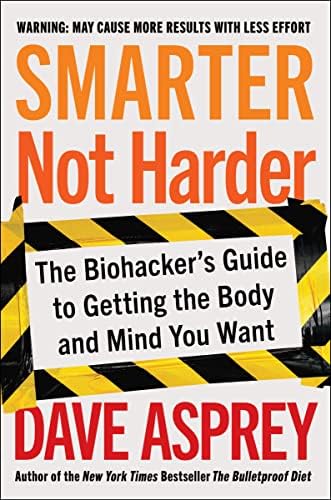
This episode features three expert perspectives on why strength training should be the foundation of everyone's fitness routine. Andy Galpin, human performance expert, explains the science behind strength as a longevity predictor. Dave Asprey, biohacking pioneer and author of...


- 01
Physical strength is one of the strongest predictors of lifespan, with grip and leg strength being key mortality indicators - Andy Galpin
- 02
Dave Asprey's Smarter Not Harder method: 15 minutes weekly produces 12% fitness improvement versus 2% from five hours of cardio
- 03
After age 30, humans lose 3-8% muscle mass per decade, accelerating after 40 - making strength training crucial for longevity
- 04
32,000 deaths annually result from fall injuries in adults 65+, largely preventable through maintained bone density and muscle mass
- 05
Your body responds to intensity and recovery speed, not duration - it cares how hard and how quickly you return to baseline
- 06
Women's hormones don't allow natural muscle bulk - the 'getting too big' fear is a misconception according to trainer Sonata Greka
- 07
Strength training directly benefits brain health, nervous system function, and prevents dementia through neurological activation
- 08
Post-workout nutrition should include at least 20 grams of protein, with pre-workout combining protein and carbs for optimal results
Get the latest ideas from On Purpose with Jay Shetty.
Plus the best new takeaways about exercise & fitness from other top podcasts — read in minutes, not hours.
By continuing, you agree to Podbrain's Terms and Privacy Policy.
These notes may contain occasional inaccuracies. Learn how Podbrain notes are made
This episode features three expert perspectives on why strength training should be the foundation of everyone's fitness routine. Andy Galpin, human performance expert, explains the science behind strength as a longevity predictor. Dave Asprey, biohacking pioneer and author of Smarter Not Harder, reveals how 15 minutes of weekly exercise can outperform hours of cardio. Sonata Greka, fitness expert and Kim Kardashian's trainer, addresses common misconceptions and provides practical guidance for beginners.
The conversation challenges traditional fitness beliefs, particularly the idea that working harder always produces better results. Through scientific research and practical application, these experts demonstrate how strength training impacts not just muscles, but bones, brain function, and overall lifespan. They address common barriers like time constraints, motivation issues, and fear of 'getting bulky,' while providing actionable strategies for incorporating strength training into any lifestyle.
Why Strength Training Predicts How Long You'll Live
Physical strength ranks as one of the strongest predictors of lifespan, with grip strength and leg strength serving as key mortality indicators that often outperform VO2 max in predicting longevity.
"If you are weak, say in your hands, it is a proxy for overall strength... if you can't carry a bag confidently, and you can't put a backpack in an overhead compartment, you're not going to take the bus" - Andy Galpin explains how weakness leads to social isolation.
Skeletal muscle explains about 80% of variance in resting metabolic rate, directly impacting blood glucose regulation and inflammatory states throughout the body.
Strength training keeps the central nervous system activated, maintaining brain health and white matter integrity while potentially preventing late-onset dementia and Alzheimer's.
The 15-Minute Weekly Workout That Beats 5 Hours of Cardio
Smarter Not Harder methodology produces 12% fitness improvement with 15 minutes weekly versus 2% improvement from five hours of traditional cardio training.
"Your body does not care how much time you do something hard. It cares about how quickly you do something hard, how hard it is, and how quickly it returns to baseline" - Dave Asprey on exercise efficiency.
AI-powered training at Upgrade Labs causes slower movement with higher resistance for 20 seconds, followed by guided deep breathing to rapidly return heart rate to baseline.
Traditional cardio creates continuous stress signals that make the body believe it's being hunted during famine, preventing performance improvements and muscle development.
Overcoming the Biggest Strength Training Barriers
"The biggest one is relying on feelings... you take those feelings, you put them aside, and you put your shoes on and you keep going because that's what you do" - Sonata Greka on motivation myths.
The fear of women getting 'bulky' from strength training is a biological misconception - female hormones don't allow natural muscle development to male levels.
Time constraints dissolve when analyzing daily activities: "I'm too busy... yet two hours later they're still responding to that same chain of communication. Well you had two hours right there."
Habit formation works through incorporation rather than elimination - watching football highlights during 20-minute workouts or substituting healthier versions of favorite foods.
The Aging Crisis That Strength Training Prevents
Bone density peaks at ages 25-30, then declines, with accelerated loss after 40 making falls increasingly dangerous for recovery and survival.
Muscle mass loss begins at age 30 at 3-8% per decade, accelerating significantly in the 60s and beyond, directly impacting independence and mortality risk.
32,000 annual deaths result from fall injuries in adults 65+, with men having higher fatality rates despite women facing greater osteoporosis risk.
"If you could do one thing for your longevity is strength train" - building maximum bone and muscle mass early creates reserves for healthier aging.
Nutrition Timing and Programming for Strength Results
Pre-workout nutrition should combine protein and carbs 30-60 minutes before training, with slightly higher carbohydrate emphasis for energy.
Post-workout meals require at least 20 grams of protein, with overall daily nutrition being more important than precise timing windows.
Advanced trainees have more flexibility with nutrition timing, while beginners need stricter adherence to optimize muscle building and recovery.
Cardio integration works best after strength training to avoid compromising strength gains, with upper body days ideal for interval training incorporation.
These notes may contain occasional inaccuracies. Learn how Podbrain notes are made
More in Self-Development

Apple Just Filed the Lawsuit That Could Destroy OpenAI
Jul 13, 2026
Why Everyone Is Drowning In Debt (and how to get out) - Caleb Hammer - #1123
Jul 13, 2026Why This DSA Win Should Terrify Every American
Jul 11, 2026
Is AI The Next Stage Of Human Evolution? - Robert Wright - #1122
Jul 11, 2026
Iran Ceasefire is DEAD, Spencer Pratt Quits & the DSA Says the Quiet Part Out Loud| The Tom Bilyeu Show
Jul 10, 2026
.svg)