
Tim Ferriss — How to Quiet the Ruminative Mind, Avoid Traps of Self-Help, and Focus in a World of Promiscuous Overcommitment
Tim Ferriss is interviewed by Dan Harris, bestselling author of 10% Happier and Meditation for Fidgety Skeptics, for Harris's podcast. This reversal puts Ferriss in the hot seat to discuss his current mental health breakthroughs...

Episode


- 01
Accelerated TMS with D-cycloserine pre-dosing reduced Tim's severe OCD symptoms from 8/10 to 1/10 in just one day
- 02
"The road to where you want to be is saying yes to a few things and saying no to everything else" - Tim
- 03
Intermittent fasting (8-hour eating window) dramatically improved Tim's insulin sensitivity and pre-diabetes risk markers
- 04
"Don't attribute to malice or incompetence what can be explained by a busy schedule" - Tim's approach to relationships
- 05
Jerry Seinfeld's advice: "If you lift weights and do transcendental meditation, that'll solve pretty much all your problems"
- 06
Tim hasn't had social media on his phone for three years to avoid "bringing a butterknife to a gunfight"
- 07
"You can't use more window dressing technical tricks to fix fundamental problems with goal selection" - Tim
- 08
The biggest reason people can't say no is "they don't have big enough yeses to defend"
Get the latest ideas from Tim Ferriss.
Plus the best new takeaways from other top podcasts — read in minutes, not hours.
By continuing, you agree to podbrain's Terms and Privacy Policy.
These notes may contain occasional inaccuracies. Learn how podbrain notes are made
Tim Ferriss is interviewed by Dan Harris, bestselling author of 10% Happier and Meditation for Fidgety Skeptics, for Harris's podcast. This reversal puts Ferriss in the hot seat to discuss his current mental health breakthroughs, relationship priorities, and evolving philosophy on optimization.
The conversation covers Ferriss's recent success with accelerated transcranial magnetic stimulation (TMS) combined with D-cycloserine for treating severe OCD and anxiety. Harris, known for his meditation advocacy, explores how Ferriss has moved beyond pure self-optimization toward relationship-focused living and strategic goal selection.
Ferriss discusses his upcoming collaboration with Neil Strauss on The No Book, an 800-page guide to saying no in an attention-fractured world. The discussion also touches on his game design project Coyote, intermittent ketosis protocols, and his philosophy of choosing projects that provide value even if they fail.
Revolutionary Brain Stimulation Protocol Eliminates Severe OCD
Tim achieved "near miraculous results" using accelerated TMS (transcranial magnetic stimulation) combined with D-cycloserine pre-dosing, reducing severe OCD symptoms from 8/10 to 1/2 out of 10 within one day.
The SAINT protocol compresses 3-4 months of conventional TMS into five days of hourly treatments, achieving 70-80% depression remission rates in clinical studies.
D-cycloserine, an antiquated antibiotic affecting NMDA receptors, acts as a "catalyst for neuroplasticity" allowing one-day treatments to potentially match multi-month protocols.
Tim estimates he's "one of perhaps 60 patients with OCD/generalized anxiety disorder" treated with the DCS plus TMS combination, making him an early adopter of bleeding-edge neurotechnology.
Relationships as the Ultimate Counterbalance to Self-Obsession
"The counterbalance to self-infatuation is relationships, really doubling down, tripling down on relationships" - Tim identifies social connection as the antidote to optimization's dark side.
Tim conducts annual past year reviews to identify "top relationships that are nourishing, energizing, energy in as opposed to energy out" and blocks calendar time for extended periods with these people.
"Sometimes talking more about your problems, if it were to solve all of your problems, would have worked already" - Tim advocates for experiential healing through friendship over endless therapy.
Extended periods range from long weekends to full weeks, such as "five days in the wilderness in Montana with some of my oldest, closest friends."
Metabolic Psychiatry and Intermittent Ketosis Protocols
Tim uses intermittent ketosis 2-3 times yearly for "neuroprotective effects" and "anti-cancer effects," motivated by three relatives with rapidly progressing Alzheimer's disease.
"Intermittent fasting has most dramatically changed my blood tests with respect to insulin sensitivity and avoiding pre-diabetes" - Tim eats within an 8-hour window (2pm-8pm daily).
Chris Palmer's metabolic psychiatry research from Harvard demonstrates how ketosis can address "psychiatric pains that are failing to be treated by medication."
The ketogenic diet has "100 years" of evidence from treating epileptic children, providing "limited downside potential" compared to newer interventions like GLP-1 agonists.
Strategic Medical Decision-Making and AI Integration
Tim's protocol: "Replicate the test, do the test again the next week, maybe on a different day" before making medication decisions based on single abnormal results.
"What is the longest studied of these with the best side effect profile that is the most innocuous that I can start with" - Tim's approach to choosing medications like Zetia over multiple statins.
Tim regularly uses AI to check for drug contraindications that "doctors will miss," particularly between medications and supplements affecting serotonergic systems.
"Don't trust these tools with their first answers" - Tim recommends cross-examining ChatGPT results with Claude or other AI systems for medical research.
The Dangers of Optimization Without Direction
"What are you optimizing for before you optimize? Why are you optimizing?" - Tim emphasizes interrogating goals before pursuing efficiency.
"You can get very, very, very good at doing something unimportant. That does not make it important" - Tim warns against optimizing the wrong activities.
Modern productivity can become "a five-hour warm-up for life each day" when morning routines become excessive optimization theater.
Jerry Seinfeld's distilled wisdom: "If you lift weights and do transcendental meditation, that'll solve pretty much all your problems."
The No Book: Defending Big Yeses in an Attention Economy
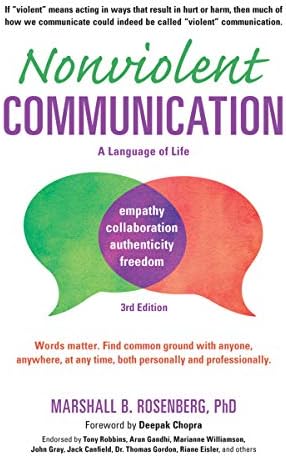
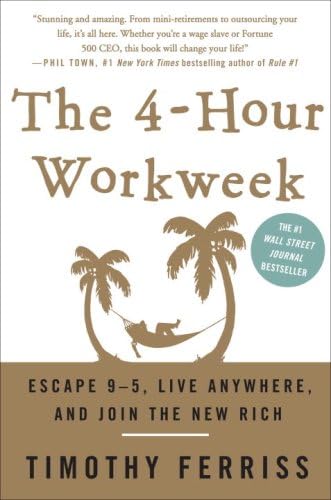
The No Book, co-written with Neil Strauss, addresses "saying no in a world of compulsive yes" with an 800-page manuscript covering templates, core beliefs, and renegotiation strategies.
"The biggest causal factor for why people have trouble saying no is they don't have big enough yeses to defend" - Tim identifies the root cause of overcommitment.
The book draws from The Seven Habits of Highly Effective People big rocks parable: "You have to put in the big rocks first, then the gravel fits around that."
Tim predicts AI will make attention management "10, 100, 1,000 times worse within two years," making focus skills essential for top 1% performance.
Sample chapters available at tim.blog/nobook include Martha Beck's rejection template: "I really wish I could, but I can't do the life Tetris."
Coyote Game Design and Win-Even-If-You-Fail Philosophy
Coyote, designed with Exploding Kittens, combines "charades meets hot potato meets brain teaser" for ages 8-15, earning 9.7-9.8 stars on Amazon.
"I choose projects based on which projects will allow me to win, even if they fail" - Tim optimizes for learning density and relationship development over guaranteed outcomes.
The game project deepened Tim's friendship with Alan Lee (Exploding Kittens CEO) while teaching him "mass retail, overseas manufacturing, and Game of Thrones politics."
Tim's "Creating a Real World MBA" approach applies the same learning-focused strategy to angel investing, which comprises "90% of my net worth."


These notes may contain occasional inaccuracies. Learn how podbrain notes are made
More in Self-Development
Can the Middle Class Be Saved? Political Division, Economic Doom & The Leadership Problem | Andrew Bustamante Pt. 2
Jun 20, 2026
The Career Trap That Makes Women Miserable - Suzanne Venker - #1113
Jun 20, 2026
How Immigration and War Test the Strength of Values and National Identity
Jun 19, 2026
7 Strategies for Becoming a Better Father | FRIDAY FIELD NOTES
Jun 19, 2026
ELECTROMAGNETISM Is The SECRET To Health: Biofield Tuning Explained | Eileen McKusick
Jun 15, 2026
The Hidden Cost Of Overthinking Everything - George Mack - #1111
Jun 15, 2026
More episodes with Tim
Tim Ferriss - Life-Changing Practical Wisdom Backed by Experience and Science
How to Use Ketosis for Enhanced Mood, Cognition, and Long-Term Brain Protection — A Practical and Tactical Guide with Dr. Dominic D'Agostino (Plus: Deconstructing Tim’s Latest Keto Experiment)

The Story Behind EpiPen, The Rise of Food Allergies, and What Doctors Got Wrong

The Random Show — The 2–2–2 Rule, The Future of AI, Bioelectric Medicine, Surviving Modern Dating, The Promises of DORAs for Alzheimer’s, and Wisdom from Anthony de Mello

.svg)