
You Think You Want Autonomy. You Don’t. | David Epstein
Ryan Holiday hosts David Epstein, bestselling author of Range and the new book Inside the Box How Constraints Make Us Better, to explore the counterintuitive idea that limitations enable rather than hinder creativity and success.

Episode


- 01
Duke Ellington's principle: "I don't need time. What I need is a deadline" - constraints force focus and prevent multitasking
- 02
Cognitive scientist Daniel Willingham: "Your brain's made for preventing you from having to think whenever possible" - constraints overcome convenience bias
- 03
Success often obliterates constraints, which explains why many musicians make terrible second albums after breaking out
- 04
David Epstein wrote 150% of a book to get one book in his early work, but Inside the Box was turned in early using forcing functions
- 05
Mihaly Csikszentmihalyi on commitment: "One of the great things about being committed is you can stop wondering how to live and start living"
- 06
Mark Zuckerberg's metaverse vision of "a universe totally tailored and individualized just to them" represents the hell of excessive autonomy
- 07
Tim Ferriss feedback technique: "Here's the book. Tell me your favorite chapter and your least favorite chapter. If you had to cut one, what would you cut?"
- 08
Constraints force priority clarification - like jettisoning 20% of cargo makes you identify what's truly important
Get the latest ideas from The Daily Stoic.
Plus the best new takeaways about creativity from other top podcasts — read in minutes, not hours.
By continuing, you agree to podbrain's Terms and Privacy Policy.
These notes may contain occasional inaccuracies. Learn how podbrain notes are made
Ryan Holiday hosts David Epstein, bestselling author of Range and the new book Inside the Box How Constraints Make Us Better, to explore the counterintuitive idea that limitations enable rather than hinder creativity and success.
The conversation examines how absolute freedom can become paralyzing, why success often destroys the very constraints that made it possible, and how deadlines, relationships, and even children can serve as productive constraints.
Epstein shares personal insights from his writing process, including how becoming a father forced him to abandon his previous method of writing 150% of a book to get one finished product, leading to more efficient and focused work within Inside the Box.
The Productivity Paradox of Time Constraints
Holiday experienced higher productivity with only one hour to write versus having a full day, demonstrating how compressed time drives focus and prevents multitasking.
"I don't need time. What I need is a deadline" - Duke Ellington's famous principle shows how deadlines can boost creativity when they lead to monotasking rather than scattered attention.
Daniel Willingham explains that "your brain's made for preventing you from having to think whenever possible" because thinking is energetically costly, so constraints overcome our natural bias toward convenience.
How Success Destroys Creative Constraints
Success often obliterates the very constraints that made success possible - after Range became a hit, Epstein could "do whatever you want" and people would indulge mediocre ideas.
"A lot of musicians, when they break out, they then make like a terrible second album" - Epstein explains this pattern through his own experience of being offered "a blank book contract" after his first book's success.
Self-publishing exemplifies false freedom - while seeming to offer total control, it actually creates a prison of endless decisions without the productive constraints of traditional publishing deadlines and standards.
Forcing Functions for Better Creative Work
Epstein's breakthrough method for Inside the Box: created a 100,000-word "master thought" document, then spent two days at a Franciscan monastery reading it offline to distill into a one-page outline.
Tim Ferriss's feedback technique: "Here's the book. It's 12 chapters. Tell me your favorite chapter and your least favorite chapter. If you had to cut one chapter, what would you cut?"
"If you have to cut 15% of this, what would you cut?" - This forcing function generates honest feedback that friends wouldn't normally give, revealing which parts truly aren't working.
The Trap of Excessive Autonomy
After Range's success, Epstein optimized for "autonomy" - wanting to "spend every minute of the day in a manner of my own choosing" - but discovered "there's definitely such a thing as too much autonomy."
Mark Zuckerberg's metaverse vision of "a universe totally tailored and individualized just to them" represents the logical endpoint of excessive autonomy - "that sounds like hell."
Epstein now deliberately constrains his workday, joined a nonprofit board to sync schedules with others, and uses Isabel Allende's candle ritual to mark clear work boundaries.
Relationships and Children as Productive Constraints
"People sometimes are worried that having kids or getting married will sort of tie you down. And I go, yeah, to reality" - Holiday frames family obligations as grounding constraints.
Philip Roth's problematic quote "there's always an emergency and I'm the emergency" exemplifies the narcissistic trap of making yourself the center of gravity in your creative universe.
Family constraints force "some semblance of regularity or normalcy" which proves essential not just for well-being but for creative rhythm and sustainable productivity.
Commitment as Creative Liberation
Epstein spent two years searching for the "perfect topic" until discovering Mihaly Csikszentmihalyi's insight: "One of the great things about being committed is you can stop wondering how to live and start living."
"You don't spend that energy wondering, is there a next better thing?" - The endless search for perfect options prevents actually starting and deepening into meaningful work.
"Two weeks later, I'm five times as interested in it as I was before I started" - Commitment to constraints as a topic immediately multiplied Epstein's engagement and insight.


These notes may contain occasional inaccuracies. Learn how podbrain notes are made
More in Philosophy

You Need An Ethical Will | Lt. Gen. Mark Hertling
Jun 21, 2026
Hollywood, The CIA & UFOs: The History Beyond Spielberg
Jun 20, 2026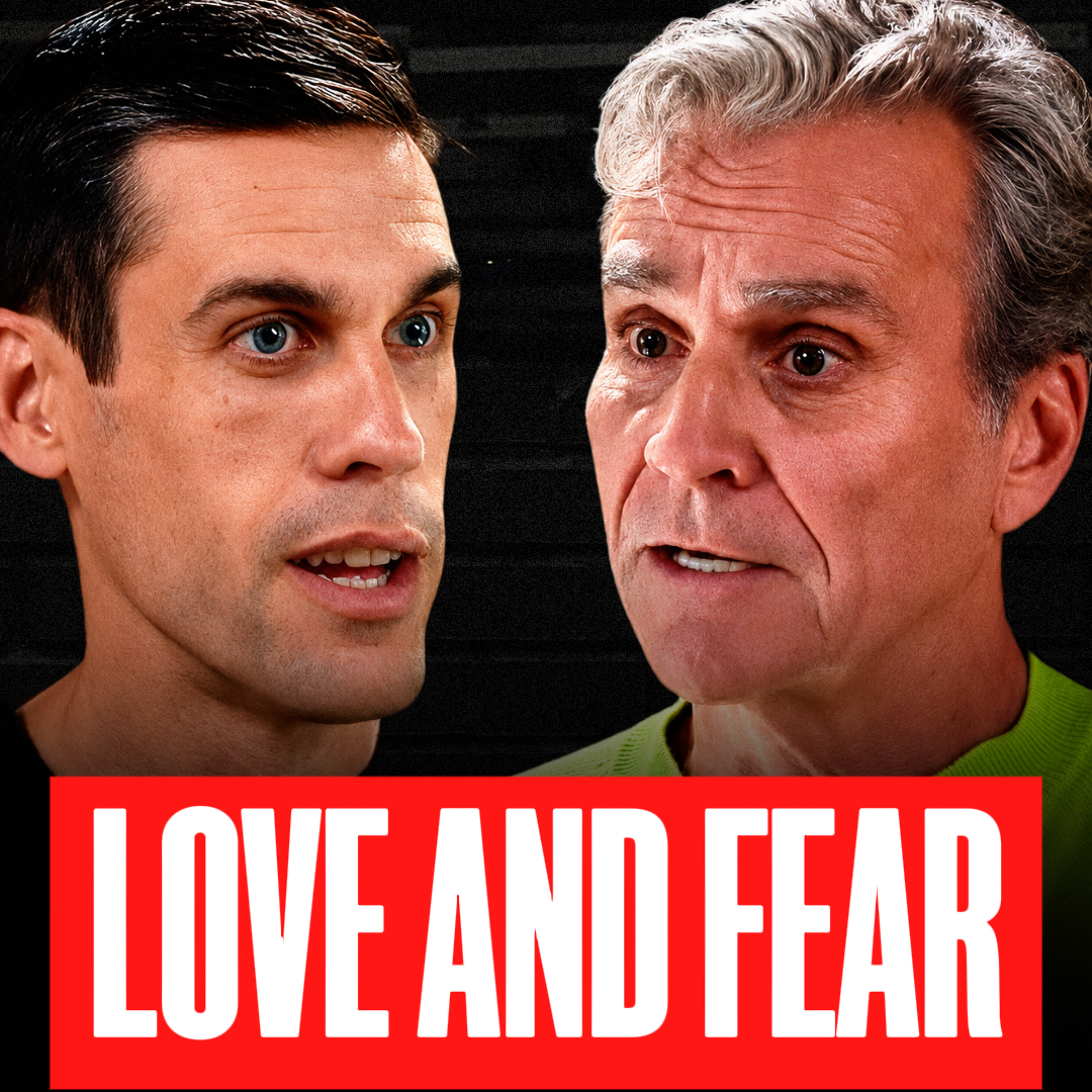
What Our Fathers Teach Us, For Better Or Worse | Tom Junod
Jun 20, 2026
How To Love Your Country Without Lying About It | Ty Seidule
Jun 19, 2026
Recognize These Signs of Weakness | 7 Daily Habits That Will Change Your Life
Jun 15, 2026.svg)