
You Need An Ethical Will | Lt. Gen. Mark Hertling
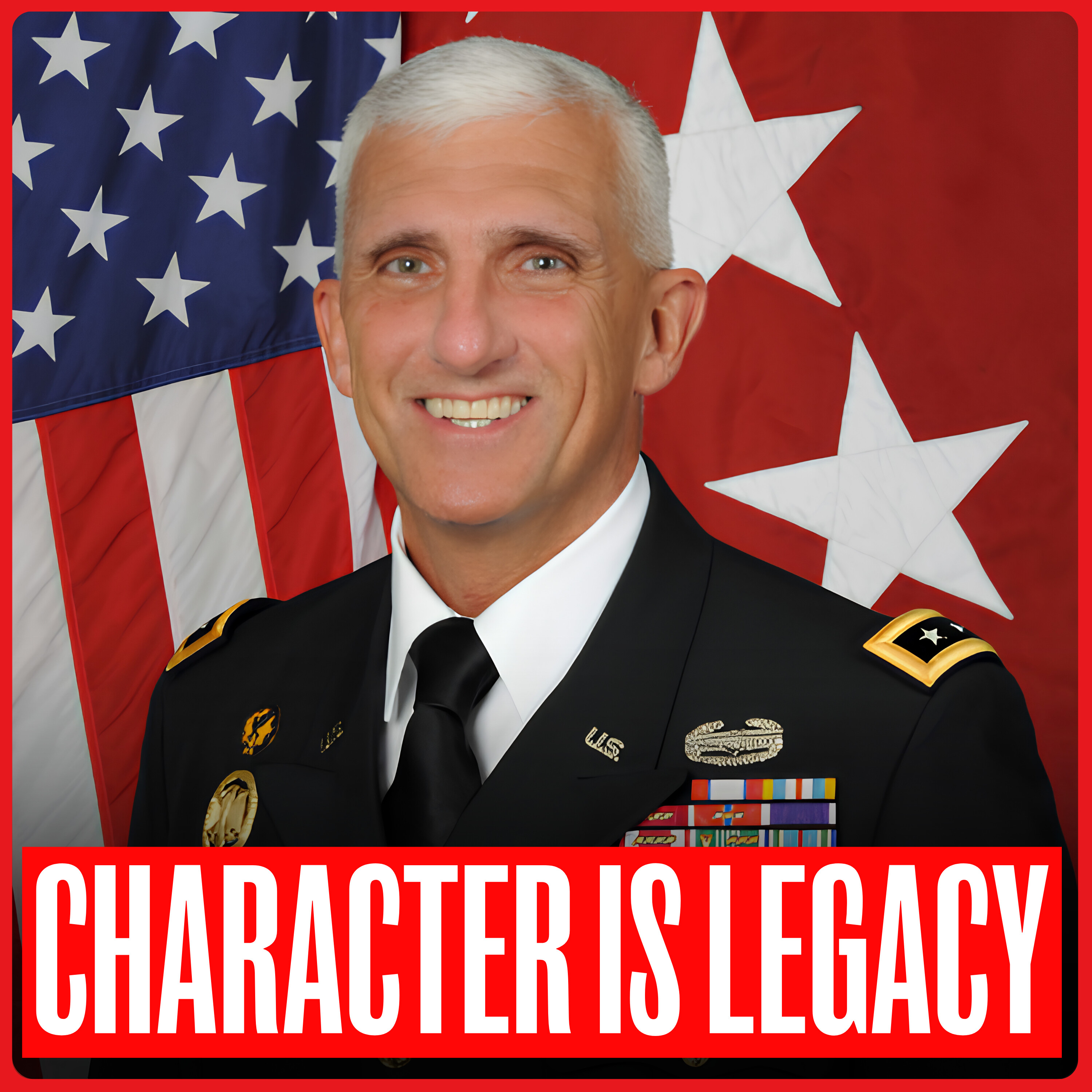
This Father's Day episode of the Daily Stoic Podcast features host Ryan Holiday in conversation with Lieutenant General Mark Hertling, a nearly 40-year U.S. Army veteran who commanded U.S. Army Europe and the 7th Army, completed combat tours in Desert Storm and Iraq, and led military transformation efforts across...

Episode

- 01
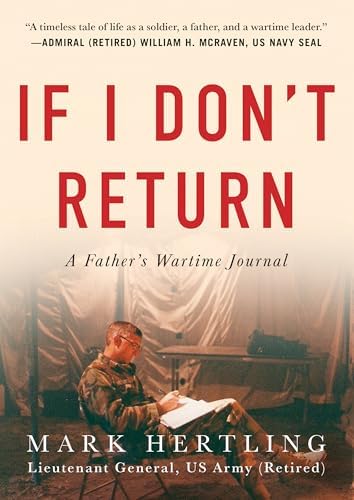
Lt. Gen. Hertling wrote If I Don't Return A Father's Wartime Journal when casualty projections for his unit reached 50% — a literal ethical will for his two young sons.
- 02
"Most leadership books are people saying how great they were... you have more scar tissue than you have successes in this book" — Hertling's publisher on what makes the book unusual.
- 03
MacArthur's prayer for his son — 'Build me a son, O Lord...' — is hung in both Hertling sons' homes and now guides how they raise their own children.
- 04
Hertling argues character development requires the same deliberate effort as professional success: 'That takes as much effort as being a great business person or lawyer.'
- 05
Bruce Springsteen's line on legacy: we can be either an ancestor or a ghost for our kids — guiding lights or haunting presences passed down through generations.
- 06
"If you want a new approach, read an old book" — the case for history and honest family storytelling as the fastest path to avoiding repeated mistakes.
- 07
Hertling's measure of success for his book: not that grandchildren think 'Grandpa was so smart,' but that they read it and say 'I ought to take that on.'
Get the latest ideas from The Daily Stoic.
Plus the best new takeaways from other top podcasts — read in minutes, not hours.
By continuing, you agree to podbrain's Terms and Privacy Policy.
These notes may contain occasional inaccuracies. Learn how podbrain notes are made
This Father's Day episode of the Daily Stoic Podcast features host Ryan Holiday in conversation with Lieutenant General Mark Hertling, a nearly 40-year U.S. Army veteran who commanded U.S. Army Europe and the 7th Army, completed combat tours in Desert Storm and Iraq, and led military transformation efforts across Eastern Europe.
The conversation centers on Hertling's book If I Don't Return A Father's Wartime Journal, written during his first combat deployment when casualty projections for his unit were as high as 50%. The book functions as an ethical will — not a financial one, but a transmission of character, values, and hard-won lessons to his two young sons. Ryan also recommends Tom Junod's In the Days of My Youth I Was Told What It Means to Be a Man as a complementary Father's Day read, offering a contrasting, more complicated portrait of fatherhood.
Together, Holiday and Hertling explore what it means to deliberately build character in children, why honest self-reflection matters more than projecting success, and how parents can become ancestors rather than ghosts for the generations that follow them.
Writing an Ethical Will Under Fire: The Origin of the Book
Hertling wrote If I Don't Return A Father's Wartime Journal on his first combat deployment, when commanders told him to expect casualties as high as 50% in his unit — forcing him to confront what he most wanted to leave his two young sons.
Ryan frames the book within the Jewish tradition of the ethical will: not a document distributing possessions, but one bequeathing character — 'here are the values I want you to live by.'
Hertling's publisher noted the book was unlike typical leadership memoirs: "You have more scar tissue than you have successes in this book" — a deliberate choice to lead with failures rather than triumphs.
Character Is Built, Not Assumed — The Military's Rare Lesson
Hertling teaches leadership at the MDA level and poses the central debate: is leadership born or developed? His answer — it's both, but character can be deliberately cultivated through awareness of its specific elements.
He identifies presence, intellect, and stewardship as distinct components of character that can be named and worked on.
"We don't talk as much about the precision of developing character as we should. We assume it will happen if they're good people."
Ryan observes that the military is one of the few remaining institutions where character is explicitly taught, evaluated, and developed — while broader secular culture has largely sidelined it.
Both agree that parents intuitively know character matters most, yet spend the majority of their time measuring grades, sports performance, and manners — not the inner life.
MacArthur's Prayer and the Legacy Parents Actually Want
The final chapter of If I Don't Return A Father's Wartime Journal centers on MacArthur's prayer for his son — 'Build me a son, O Lord...' — which both Hertling sons have framed in their homes and now use as a guide for raising their own children.
Hertling's definition of success for the book: not that grandchildren admire his wisdom, but that they read it and think 'I ought to take that on' — the lessons become active, not ornamental.
"It isn't the monetary success or the great job and the parking space outside your building. It's really your character and how you treat other people." — Hertling
Honest Failure as the Fastest Path to Pattern Recognition
Ryan argues that parental honesty about failure accelerates children's pattern recognition — even if they repeat the same mistakes, knowing the parent struggled with the same thing shortens the recovery cycle.
"You're only as sick as your secrets" — Ryan invokes the recovery community's principle to argue that shame-driven silence forces children to believe they're the only ones in the family tree who've faced a given struggle.
Hertling connects this to the study of history: "We make the same mistakes over and over again. But the idea is we err a little bit less each time, and that's what propels us forward."
Ryan cites the aphorism both speakers endorse: "If you want a new approach, read an old book" — the same principle applies to family history and the honest transmission of hard lessons.
Ancestors vs. Ghosts: What We Leave Behind
Ryan, wearing a Bruce Springsteen shirt, quotes Springsteen: we can be an ancestor or a ghost for our children — either a guiding presence they carry forward or a haunting one that holds them back.
Hertling's response: "I love that quote. I'm gonna steal that one. That is classic. That is great." — calling it the ideal Father's Day message.
The framework invites children to consciously choose: which parts of the family legacy do I continue, and which parts stop with me?
Ryan also recommends In the Days of My Youth I Was Told What It Means to Be a Man by Tom Junod as a Father's Day pairing — a more complicated, contrasting portrait of the father-son relationship alongside Hertling's instructive approach.

These notes may contain occasional inaccuracies. Learn how podbrain notes are made
More in Philosophy

Hollywood, The CIA & UFOs: The History Beyond Spielberg
Jun 20, 2026
What Our Fathers Teach Us, For Better Or Worse | Tom Junod
Jun 20, 2026
How To Love Your Country Without Lying About It | Ty Seidule
Jun 19, 2026
Recognize These Signs of Weakness | 7 Daily Habits That Will Change Your Life
Jun 15, 2026A Stoic's Guide To Looksmaxxing
Jun 14, 2026
.svg)