
You Can’t Forget What You Don’t Put Off | (Dis)integration
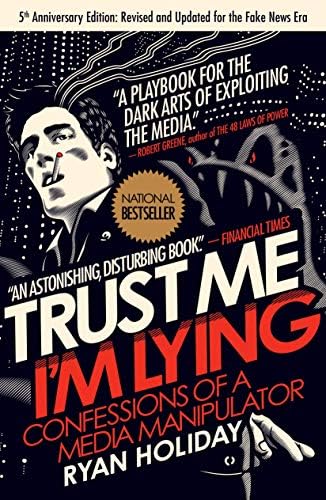
Ryan Holiday hosts this Daily Stoic podcast episode, drawing from The Daily Stoic entry on "Disintegration" and Epictetus's Discourses. Holiday is the author of multiple books including Trust Me, I'm Lying, which he...

Episode


- 01
"You can't forget what you don't put off" - procrastination creates the conditions for failure and excuses
- 02
Epictetus teaches "You must be a unified human being, either good or bad" - integration requires choosing philosophical consistency
- 03
Ryan Holiday's Trust Me, I'm Lying period exemplified disintegration - studying Stoicism while practicing manipulative marketing
- 04
Seneca embodied disintegration as both brilliant philosopher and ruthless powerbroker until his final years under Nero
- 05
Busyness often masks disintegration by preventing the self-reflection that would demand uncomfortable change
- 06
Integration requires choosing to "stand with the philosopher" rather than becoming "whatever the crowd needs"
- 07
Personal hypocrisy often stems from compartmentalization rather than conscious moral failure
Get the latest ideas from The Daily Stoic.
Plus the best new takeaways about stoicism from other top podcasts — read in minutes, not hours.
By continuing, you agree to podbrain's Terms and Privacy Policy.
These notes may contain occasional inaccuracies. Learn how podbrain notes are made
Ryan Holiday hosts this Daily Stoic podcast episode, drawing from The Daily Stoic entry on "Disintegration" and Epictetus's Discourses. Holiday is the author of multiple books including Trust Me, I'm Lying, which he references as an example of his own past disintegration.
The episode explores the Stoic concept of integration - being a unified person whose actions align with values. Holiday uses his own experience transitioning from controversial marketing work to philosophical writing as a case study in moving from disintegration to integration.
The discussion centers on Epictetus's teaching that we must choose to be unified human beings, focusing either on internal reasoning or external forces. Holiday examines how busyness and compartmentalization prevent the self-awareness necessary for true integration.
The Procrastination-Forgetting Connection
"You can't forget what you don't put off" - Holiday argues that procrastination creates the conditions for failure, not genuine forgetfulness.
Unexpected events (sick children, bad news, emails) disrupt tomorrow's plans, but "we don't control tomorrow" as the Stoics remind us.
Seneca identified this pattern: "fools are always getting ready to start" rather than taking immediate action.
Epictetus on Unified Human Beings
Discourses 3.15 states: "You must be a unified human being, either good or bad. You must diligently work either on your own reasoning or on things outside of your control."
The choice is binary according to Epictetus: "stand with the philosopher or else with the mob" - there's no middle ground for integration.
The Daily Stoic entry warns that without internal integration and self-awareness, we risk external disintegration.
Holiday's Personal Disintegration Story
Trust Me, I'm Lying represents Holiday's period of disintegration - studying Stoicism while working for controversial marketing clients.
"I was reading Meditations many times in those years" while simultaneously "pulling these marketing stunts" - a clear example of compartmentalization.
Holiday describes himself as "not integrated" rather than hypocritical - having "different spheres" that weren't aligned with his philosophical beliefs.
The philosophy "helped me get there" to integration, partly motivating him to write the book and change career direction.
Seneca's Integration Journey
Seneca exemplified disintegration as "a brilliant artist and a ruthless powerbroker" who "coveted wealth and status and influence."
"He got closer to that integration as he got older" - ultimately leaving Nero's service to dedicate his final years to philosophy.
"That's where I think a lot of his best work is from" - the period after achieving greater integration between beliefs and actions.
Common Integration Failures
Claiming family importance while spending all time at the office, or caring about environment while making contradictory personal decisions.
Professional behavior that "feels normal or appropriate or necessary" but isn't "in accordance with our values" or Stoic nature.
Busyness and "franticness" prevent the self-awareness needed to notice disintegration - "we don't have literally a minute to do it."
"We keep ourselves busy so we don't have to do that" reflection work "because when we do it, it's painful" and "demands change."


These notes may contain occasional inaccuracies. Learn how podbrain notes are made
More in Philosophy
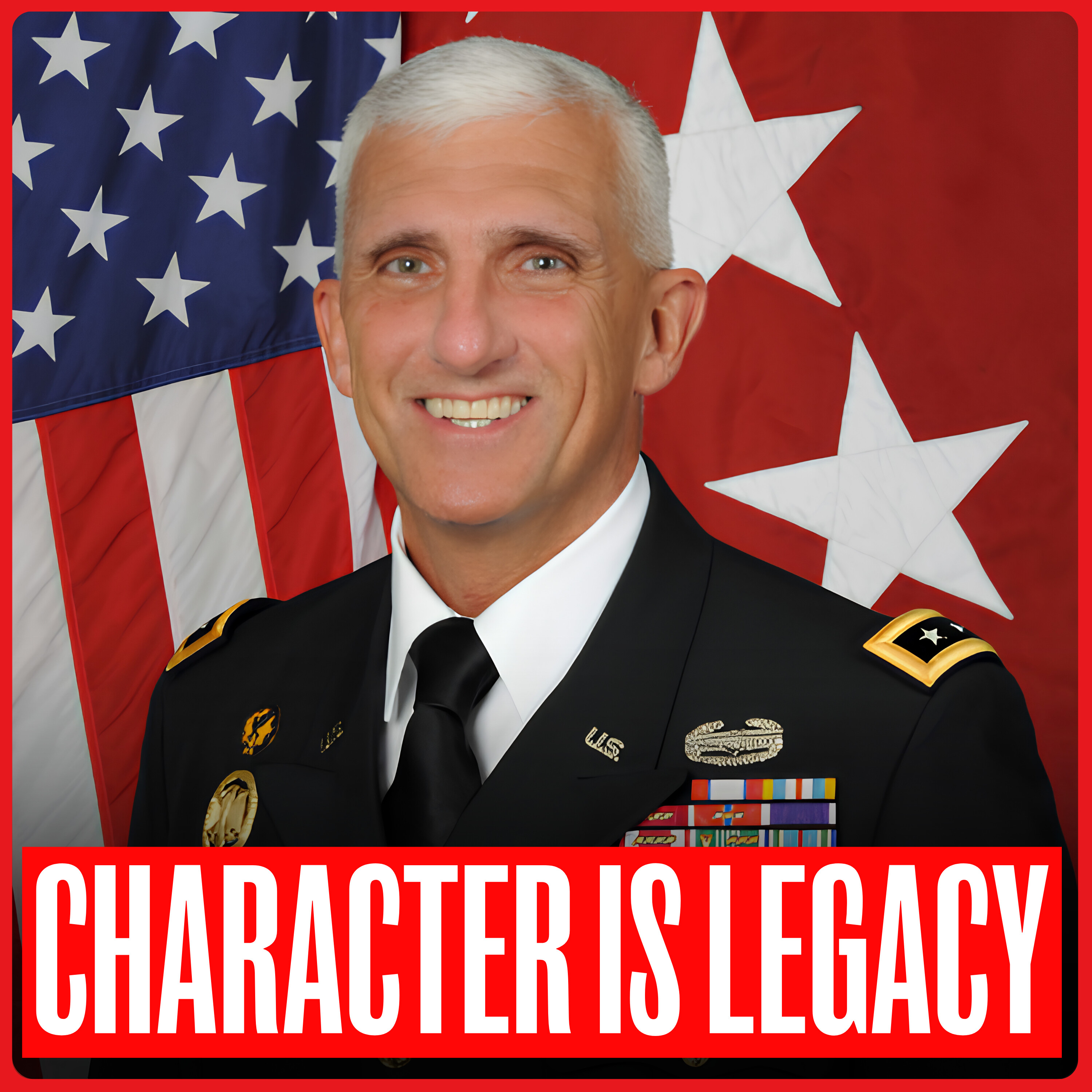
You Need An Ethical Will | Lt. Gen. Mark Hertling
Jun 21, 2026
Hollywood, The CIA & UFOs: The History Beyond Spielberg
Jun 20, 2026
What Our Fathers Teach Us, For Better Or Worse | Tom Junod
Jun 20, 2026
How To Love Your Country Without Lying About It | Ty Seidule
Jun 19, 2026
Recognize These Signs of Weakness | 7 Daily Habits That Will Change Your Life
Jun 15, 2026.svg)