
Why “Meditations” Needs a New Name—According to William O. Stephens
Ryan Holiday interviews William O. Stevens, a philosophy professor emeritus at Creighton University who has taught Marcus Aurelius for over 30 years. Stevens is the author of Marcus Aurelius Philosopher King,...

Episode


- 01
Stevens argues Meditations-on-first-philosophy:Meditations should be called 'Memoranda' since Marcus Aurelius never titled his work - Meditations-on-first-philosophy:Meditations was assigned by later editors
- 02
Marcus Aurelius was 'a good man' but not 'a great man' - he had flaws including the Christian persecutions and appointing Commodus as successor
- 03
The earliest Greek manuscripts of Meditations-on-first-philosophy:Meditations-on-first-philosophy:Meditations-on-first-philosophy:Meditations had no title, with different translators choosing various names like 'Reflections' or 'To Himself'
- 04
Gregory Hayes' popular translation is 'not true to the Greek' according to Stevens, who prefers Waterfield and Farquharson translations
- 05
Memory is a persistent theme throughout all 12 books, making 'Memoranda' a more accurate title than the meditation-focused current name
- 06
Marcus treated fallen enemies with mercy, refusing to see Avidius Cassius's severed head and preferring exile over execution for political opponents
Get the latest ideas from The Daily Stoic.
Plus the best new takeaways from other top podcasts — read in minutes, not hours.
By continuing, you agree to podbrain's Terms and Privacy Policy.
These notes may contain occasional inaccuracies. Learn how podbrain notes are made
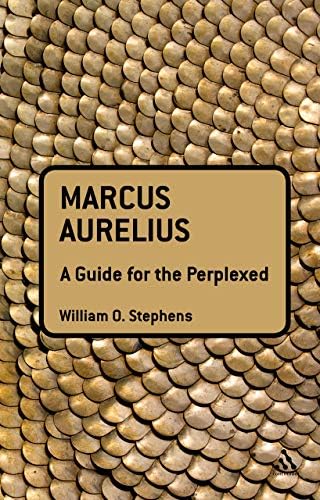
Ryan Holiday interviews William O. Stevens, a philosophy professor emeritus at Creighton University who has taught Marcus Aurelius for over 30 years. Stevens is the author of Marcus Aurelius Philosopher King, Marcus Aurelius A Guide for the Perplexed, and Stoic Ethics, among other works on Stoicism.
The conversation centers on Stevens' controversial argument that Meditations-on-first-philosophy:Meditations-on-first-philosophy:Meditations-on-first-philosophy:Meditations should be retitled 'Memoranda,' since Marcus Aurelius never gave his private writings a title. Stevens challenges the conventional view of Marcus as either villain or hero, arguing instead that he was 'a good man' with human flaws.
They explore translation differences, the historical context of the work's preservation, and Marcus's complex legacy as both philosopher and emperor. The discussion touches on comparisons to modern figures like Jimmy Carter and examines whether philosophical temperament suits political power.
The Case Against 'Meditations' as a Title
Stevens argues Meditations-on-first-philosophy:Meditations-on-first-philosophy:Meditations-on-first-philosophy:Meditations is a misleading title since Marcus Aurelius never named his work - the earliest Greek manuscripts had no title attached
Different translators over centuries chose various titles: 'Reflections,' 'To Himself,' 'Thoughts of Marcus Aurelius' - the current title is just 'historical accretion'
'Memoranda' better captures the content since memory is a persistent theme throughout all 12 books - how Marcus will be remembered and Stoic doctrines he needs to remember daily
The title Meditations-on-first-philosophy:Meditations-on-first-philosophy:Meditations-on-first-philosophy:Meditations creates wrong expectations, suggesting 'transcendental meditation' or 'Eastern vibe' rather than the practical philosophy Marcus was actually practicing
When philosophers hear 'Meditations-on-first-philosophy:Meditations-on-first-philosophy:Meditations-on-first-philosophy:Meditations,' they think of refref-book-refref-book-refref-book-refref-book-meditationsMeditationsrefref-book-meditationsMeditations-on-first-philosophyrefref-book-refref-book-meditationsMeditationsrefref-book-meditationsMeditations-on-first-philosophyrefref-book-refref-book-refref-book-meditationsMeditationsrefref-book-meditationsMeditations-on-first-philosophyrefref-book-refref-book-meditationsMeditationsrefref-book-meditationsMeditations on First Philosophy by René Descartes, not Marcus Aurelius's work
Translation Wars and Textual Authenticity
Stevens reveals that Gregory Hayes's popular translation is 'not true to the Greek,' preferring Waterfield and Farquharson translations for accuracy
Hayes writes 'with poetry' and keeps Marcus 'telegrammatic' but lacks the philosophical depth of classicist translators who know Greek idioms
Stevens owns more translations of Meditations-on-first-philosophy:Meditations-on-first-philosophy:Meditations-on-first-philosophy:Meditations than any other ancient text, including Plato's works, showing the enduring appeal for retranslation
Holiday compares the translation variety to Joan Didion's Notes to John, noting how exceptional writers 'cannot write poorly' even in private notes
Marcus Aurelius: Good Man, Not Great Man
Stevens argues Marcus was 'a good man' but not a sage - 'there are no sages' including Epictetus and Seneca
Marcus had significant flaws: Christians were brutally executed during his reign, he admitted being glad he didn't sexually abuse slaves, and he appointed the disastrous Commodus as successor
The Avidius Cassius revolt likely influenced Marcus's decision to keep succession within the family - 'if you can't trust your most competent general, who are you going to pick?'
Holiday compares Marcus to Jimmy Carter - both good men whose decency may have hampered their effectiveness as leaders in ruthless political environments
Despite his power, Marcus showed mercy to enemies: he refused to see Avidius Cassius's severed head and preferred exile over execution for political opponents
The Philosopher King Problem
Stevens questions whether philosophical temperament suits political power, noting that Cato was also 'a pretty mediocre politician'
Marcus faced the challenge of remaining humane while dealing with ruthless people - 'don't become like your enemy' while maintaining strength
Stoic doctrine holds that 'people do bad things believing it's good and right' - all moral failing results from ignorance, not malice
Marcus humanized gladiatorial games by having 'buttons put on swords' so gladiators wouldn't suffer the most grievous wounds




These notes may contain occasional inaccuracies. Learn how podbrain notes are made
More in Philosophy

Hollywood, The CIA & UFOs: The History Beyond Spielberg
Jun 20, 2026
What Our Fathers Teach Us, For Better Or Worse | Tom Junod
Jun 20, 2026
How To Love Your Country Without Lying About It | Ty Seidule
Jun 19, 2026
Recognize These Signs of Weakness | 7 Daily Habits That Will Change Your Life
Jun 15, 2026A Stoic's Guide To Looksmaxxing
Jun 14, 2026
.svg)