
When Your Passion Is Master of Your Reason… | We Are a Product of Our Habits
Ryan Holiday hosts this Daily Stoic podcast episode focused on the battle between passion and reason, drawing from classical Stoic philosophy and modern habit formation science.

Episode


- 01
When passion masters reason, we make decisions we regret - Athenodorus advised Emperor Augustus to count alphabet letters before acting in anger
- 02
Epictetus taught that habits are confirmed through corresponding actions: 'walking by walking and running by running'
- 03
Bad habits must first be weakened, then obliterated - try the opposite action to break destructive patterns
- 04
Sales teams waste 50% of their time on admin work instead of relationship building and closing deals
- 05
Musonius Rufus held that all theories in the world couldn't trump good habits or overcome bad ones
- 06
Journaling is inseparable from Stoicism - Meditations is Marcus Aurelius talking to himself through writing
- 07
We are products of our choices, routines, and habits - not who we say we are or want to be
Get the latest ideas from The Daily Stoic.
Plus the best new takeaways about habits from other top podcasts — read in minutes, not hours.
By continuing, you agree to podbrain's Terms and Privacy Policy.
These notes may contain occasional inaccuracies. Learn how podbrain notes are made
Ryan Holiday hosts this Daily Stoic podcast episode focused on the battle between passion and reason, drawing from classical Stoic philosophy and modern habit formation science.
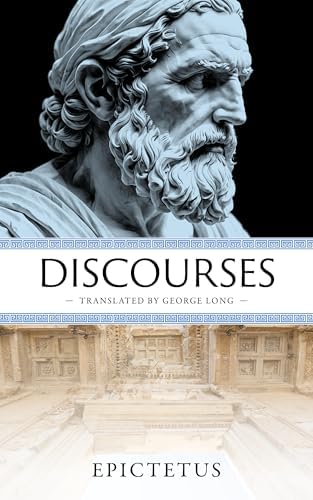
The discussion centers on how Medea by Euripides illustrates the dangers of letting passion master reason, while The Daily Stoic Journal provides the framework for understanding habits as the foundation of character. Holiday explores teachings from Discourses by Epictetus and references to Meditations by Marcus Aurelius to demonstrate how ancient wisdom applies to modern habit formation.
The episode emphasizes that sustainable change comes through deliberate habit formation rather than inspiration, connecting Stoic principles to practical daily routines for writers, parents, and anyone seeking personal mastery.
When Passion Masters Reason: The Medea Warning
In Medea, Euripides shows the character aware of her temporary insanity: 'I am well aware of how terrible a crime I am about to commit, but my passion is master of my reason'
Athenodorus advised Emperor Augustus to count all letters of the alphabet before acting in anger - a technique for letting reason regain control
When passion wins over reason, 'we say things we regret, we jump into things we wouldn't, we make complicated things worse, we do things that can't be undone'
The Daily Stoic pause and reflect medallion includes a mirror on the front to make you think about 'what you look like when you react in this moment'
The Stoic Science of Habit Formation
The Daily Stoic Journal emphasizes that journaling is inseparable from Stoicism, with Meditations being Marcus Aurelius journaling and talking to himself
Musonius Rufus, Epictetus' teacher, held that 'all the theories in the world couldn't trump good habits, and they couldn't overcome bad habits either'
From Discourses 2:18, Epictetus teaches: 'Every habit and capability is confirmed and grows in its corresponding actions, walking by walking and running by running'
Epictetus advises tracking anger-free days: 'I used to be angry every day and now every other day, then every third and fourth. And if you make it as far as thirty days, thank God'
Breaking Bad Habits Through Opposition
Epictetus suggests fighting habits by trying the opposite: 'A habit is first weakened and then obliterated'
Like a creased paper that can be flattened by folding the opposite way, bad habits can be countered by deliberately practicing their opposites
Athletes practice thousands of repetitions so that 'under immense amounts of pressure, under the stresses of life in the game, they can revert back to that training'
'We are a product of our choices, our routines, our habits' - not who we say we are or want to be, but what we habitually do


These notes may contain occasional inaccuracies. Learn how podbrain notes are made
More in Philosophy

You Need An Ethical Will | Lt. Gen. Mark Hertling
Jun 21, 2026
Hollywood, The CIA & UFOs: The History Beyond Spielberg
Jun 20, 2026
What Our Fathers Teach Us, For Better Or Worse | Tom Junod
Jun 20, 2026
How To Love Your Country Without Lying About It | Ty Seidule
Jun 19, 2026
Recognize These Signs of Weakness | 7 Daily Habits That Will Change Your Life
Jun 15, 2026.svg)