
What You Need is a Small Crisis | Show, Not Tell, What You Know
Ryan Holiday hosts this Daily Stoic podcast episode, discussing how to transform philosophical theory into practical conduct. As the author of multiple stoic works including The Obstacle Is the Way, The Daily Stoic, and...

Episode


- 01
Small crises are more valuable than major ones - they provide focus and growth opportunities without mortal stakes
- 02
"Those who receive the bare theories immediately want to spew them as an upset stomach does its food" - Epictetus on premature teaching
- 03
Philosophy requires turning "words into works" through sound conduct, not just memorizing clever quotes
- 04
Stoicism works on you as you work on it - the ideas need time to firmly take hold in your mind
- 05
Marcus Aurelius faced "floods and famines, wars and coups" but used crises as opportunities for virtue
- 06
Musonius Rufus was exiled four times yet taught without discrimination, including women students ahead of his time
- 07
Holiday couldn't write The Right Thing Right Now in his 20s - it required "hard won experiences" and maturity
Get the latest ideas from The Daily Stoic.
Plus the best new takeaways about stoicism from other top podcasts — read in minutes, not hours.
By continuing, you agree to podbrain's Terms and Privacy Policy.
These notes may contain occasional inaccuracies. Learn how podbrain notes are made
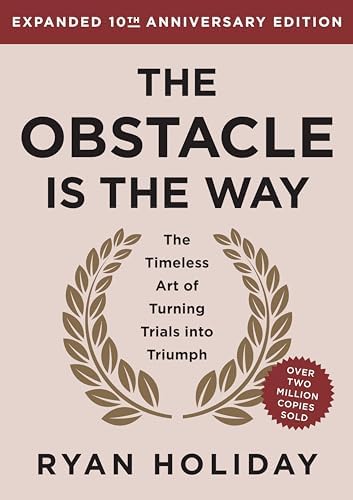
Ryan Holiday hosts this Daily Stoic podcast episode, discussing how to transform philosophical theory into practical conduct. As the author of multiple stoic works including The Obstacle Is the Way, The Daily Stoic, and The Right Thing Right Now, Holiday brings both academic knowledge and personal experience to ancient wisdom.
The episode centers on a reading from The Daily Stoic 366 Meditations on Wisdom, Perseverance, and the Art of Living, featuring Epictetus's teaching about digesting philosophical theories before sharing them. Holiday explores how small crises provide better learning opportunities than major catastrophes, and reflects on his own decade-plus journey of internalizing stoic principles.
Drawing connections between ancient philosophers like Epictetus, Musonius Rufus, and Marcus Aurelius, Holiday emphasizes that true philosophy emerges through conduct rather than quotation. He discusses how The Obstacle Is the Way emerged from his early twenties understanding, while The Right Thing Right Now required years of life experience to properly address justice and virtue.
Small Crises as Virtue Training Grounds
Marcus Aurelius faced overwhelming challenges - "floods and famines, wars and coups, disorder and destruction" - but small crises offer better learning opportunities without mortal consequences.
"No one would choose to go through what Zelensky has gone through or Churchill or to trade places with Queen Elizabeth during her Annus Horibilis" - Holiday on major versus minor challenges.
Small crises "can make us focus, that can drive creativity and connection and clarity" while remaining manageable enough for growth rather than survival.
The concept connects to The Obstacle Is the Way, written over 10 years ago when Holiday was in his early twenties, about transforming daily obstacles into growth opportunities.
From Theory to Practice: Epictetus on Philosophical Digestion
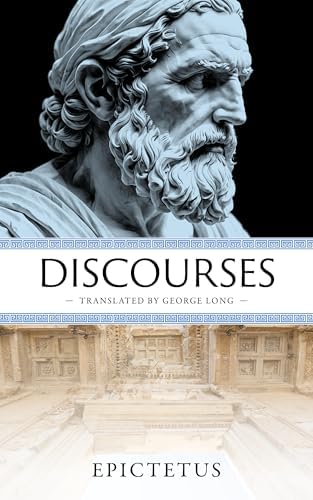
"Those who receive the bare theories immediately want to spew them as an upset stomach does its food. First, digest your theories and you won't throw them up" - Epictetus from Discourses.
Musonius Rufus, Epictetus's teacher, defined philosophy as "when one brings together sound teachings with sound conduct" - emphasizing action over quotation.
The goal is turning "words into works" rather than condescendingly dropping knowledge without demonstrating it through choices and behavior.
This principle appears in The Daily Stoic 366 Meditations on Wisdom, Perseverance, and the Art of Living, which Holiday notes people still discover despite being his foundational work.
Ancient Teachers Who Walked the Walk
Musonius Rufus, known as "the Roman Socrates," was exiled four times yet taught without discrimination, including women students centuries ahead of his time.
Socrates "doesn't write anything down" but left behind his example, becoming a philosopher through how he lived rather than what he wrote.
Epictetus taught through lectures that survived as Discourses and Enchiridion - student notes rather than formal writings, emphasizing lived wisdom over academic theory.
These teachings influenced Marcus Aurelius, creating a chain of practical philosophy passed through conduct rather than just text.
The Long Journey from Reading to Integration
Holiday read Marcus Aurelius at 18-20 and "immediately regurgitated it out" but needed "many, many years for the ideas to firmly take hold."
"I don't think I could have written The Right Thing Right Now in my 20s" - the justice-focused third book in his virtue series required "hard won experiences."
"It's working on you as you are working on it" - Stoicism transforms practitioners gradually while they study it actively.
Like Brazilian jiu-jitsu training, philosophical practice requires coming "every day with something specific you're trying to work on" rather than passive consumption.



These notes may contain occasional inaccuracies. Learn how podbrain notes are made
More in Philosophy
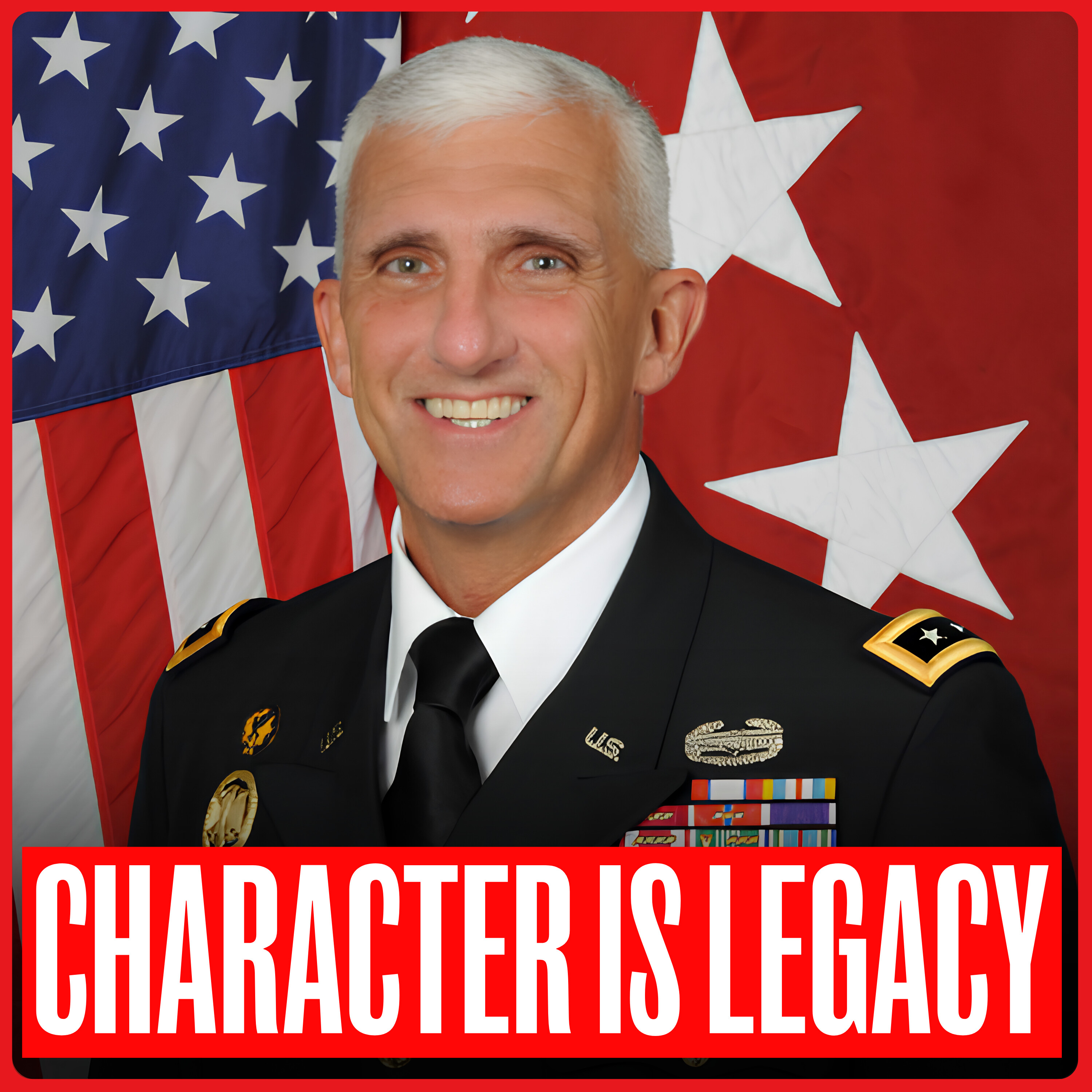
You Need An Ethical Will | Lt. Gen. Mark Hertling
Jun 21, 2026
Hollywood, The CIA & UFOs: The History Beyond Spielberg
Jun 20, 2026
What Our Fathers Teach Us, For Better Or Worse | Tom Junod
Jun 20, 2026
How To Love Your Country Without Lying About It | Ty Seidule
Jun 19, 2026
Recognize These Signs of Weakness | 7 Daily Habits That Will Change Your Life
Jun 15, 2026.svg)