
This Is The Only Thing You Get to Choose | There Is Philosophy In Everything
Ryan Holiday hosts this Daily Stoic podcast episode, drawing from the March 24th entry in The Daily Stoic 366 Meditations on Wisdom, Perseverance, and the Art of Living. The episode explores how Stoic philosophy must be lived rather than merely studied.

Episode


- 01
"You don't get a choice" - Joan Didion's stoic response to life's challenges echoes Marcus Aurelius's acceptance of fortune's unpredictability
- 02
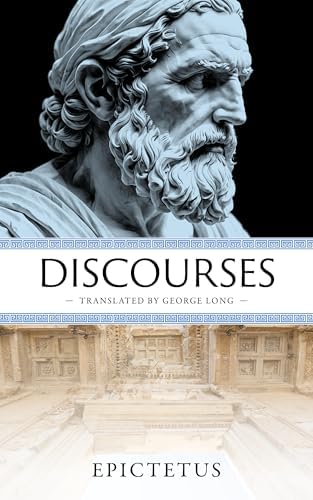
Epictetus teaches that true philosophy is demonstrated through daily actions: eating, drinking, marrying, and dealing with difficult family members
- 03
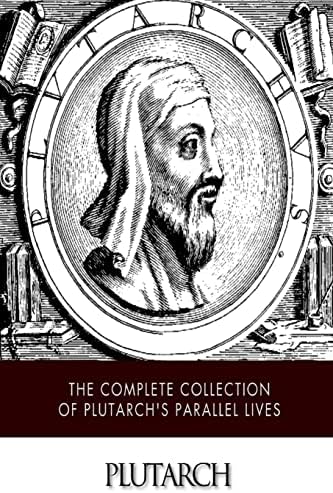
Plutarch discovered that personal experience of events allows deeper understanding of philosophical words than study alone
- 04
Socrates taught philosophy not through lectures but through how he lived, served in the army, and even died drinking hemlock
- 05
The Daily Stoic emphasizes applying philosophy to ordinary moments rather than waiting for heroic crises
- 06
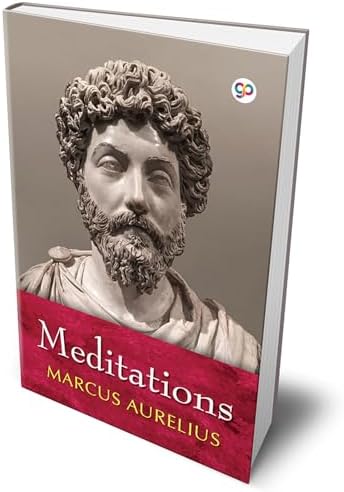
Marcus Aurelius's "obstacle is the way" primarily refers to dealing with obnoxious people, not major life disasters
- 07
True philosophical strength shows in "the ordinary everydayness of life" rather than dramatic moments
Get the latest ideas from The Daily Stoic.
Plus the best new takeaways about stoicism from other top podcasts — read in minutes, not hours.
By continuing, you agree to podbrain's Terms and Privacy Policy.
These notes may contain occasional inaccuracies. Learn how podbrain notes are made
Ryan Holiday hosts this Daily Stoic podcast episode, drawing from the March 24th entry in The Daily Stoic 366 Meditations on Wisdom, Perseverance, and the Art of Living. The episode explores how Stoic philosophy must be lived rather than merely studied.
The discussion weaves together insights from Epictetus's Discourses, Marcus Aurelius's Meditations, and Plutarch's biographical works to demonstrate that philosophy emerges through daily actions. Holiday emphasizes that Stoicism applies to ordinary human moments - from family disputes to workplace interactions - rather than just heroic crises.
Life's Indifference to Our Limits and Readiness
Marcus Aurelius faced floods, plagues, wars, a troubled son, and health issues, asking "Haven't I given enough?" but life pays no mind to our perceived limits
Joan Didion's response "You don't get a choice" to her husband's despair mirrors the Stoic teaching that "Fortune behaves as she pleases" - we only control our response
As referenced in Meditations, Marcus Aurelius reminded himself that life disposes and decides, leaving us only the choice of how we respond
Philosophy Through Living, Not Just Learning
Epictetus's Discourses (3.21) instructs: "Eat like a human being, drink like a human being, dress up, marry, have children, get politically active" to show true philosophical learning
Plutarch's experience studying Roman literature late in life revealed that "personal experience of events allowed me to follow closely the meaning of the words"
From Plutarch's Parallel Lives, Socrates taught not through desk lectures but "as he lived his life, how he served in the army, how he walked through the marketplace, how he talked to his wife"
Stoicism in Ordinary Daily Moments
Holiday emphasizes that philosophy appears "when you are going to work, going on a date, deciding whom to vote for, calling your parents in the evening, waving to your neighbor"
Marcus Aurelius's "obstacle is the way" concept primarily addresses "obnoxious people who are getting in our way" rather than major crises
The Daily Stoic framework applies to "big situations and little ones alike, ordinary and extraordinary as a family member, as a friend, as a spouse, as a parent"
"Anyone can be great in a crisis. It takes power and strength and fortitude to be resilient and philosophical in the ordinary everydayness of life"

These notes may contain occasional inaccuracies. Learn how podbrain notes are made
More in Philosophy
You Need An Ethical Will | Lt. Gen. Mark Hertling
Jun 21, 2026
Hollywood, The CIA & UFOs: The History Beyond Spielberg
Jun 20, 2026
What Our Fathers Teach Us, For Better Or Worse | Tom Junod
Jun 20, 2026
How To Love Your Country Without Lying About It | Ty Seidule
Jun 19, 2026
Recognize These Signs of Weakness | 7 Daily Habits That Will Change Your Life
Jun 15, 2026.svg)