
They Should Have What They Want
Ryan Holiday hosts this Daily Stoic podcast episode exploring the concept of finding a personal moral guide or 'Cato' to witness and guide our decisions. The discussion draws from The Daily Stoic 366 Meditations on Wisdom, Perseverance, and the Art of Living...

Episode


- 01
Seneca advises having a respected witness figure to guide moral decisions: 'The soul should have someone it can respect'
- 02
Cato the Younger became a philosophical model despite writing nothing - his example alone inspired Stoics for centuries
- 03
Adam Smith's 'impartial spectator' concept parallels the Stoic practice of mental moral guidance
- 04
George Washington modeled his entire life around Cato's example, showing how ancient wisdom guides modern leadership
- 05
The goal is becoming someone worthy of serving as a moral example for others to follow
- 06
External achievements rarely satisfy: 'Has any conqueror ever been satisfied? Has any conquest ever not been underwhelming?'
Get the latest ideas from The Daily Stoic.
Plus the best new takeaways about stoicism from other top podcasts — read in minutes, not hours.
By continuing, you agree to podbrain's Terms and Privacy Policy.
These notes may contain occasional inaccuracies. Learn how podbrain notes are made
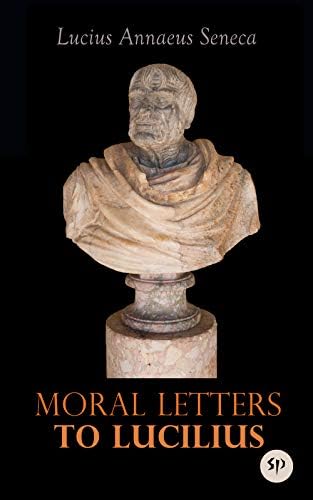
Ryan Holiday hosts this Daily Stoic podcast episode exploring the concept of finding a personal moral guide or 'Cato' to witness and guide our decisions. The discussion draws from The Daily Stoic 366 Meditations on Wisdom, Perseverance, and the Art of Living and references Seneca's Moral Letters.
The episode examines how Cato the Younger became a towering example for Stoics despite never writing philosophy, and connects this to Adam Smith's 'impartial spectator' concept from Adam Smith Can Change Your Life by Russ Roberts. Holiday also discusses how George Washington used Cato as his moral exemplar, referencing Tom Ricks' First Principles.
The Futility of External Conquests and Desires
Holiday opens by questioning whether external achievements ever truly satisfy: 'Has any conqueror ever been satisfied? Has any conquest ever not been a little bittersweet, a little underwhelming?'
The Stoic approach is to step back and let people choose for themselves rather than judging their pursuits, while focusing on our own attachment to externals.
We should examine where we've made happiness conditional on achievements or identities outside our control, remembering 'we have plenty right now, that we can feel good, feel enough right now.'
Seneca's Wisdom on Moral Witnesses
From Moral Letters 119, Seneca teaches: 'We can remove most sins if we have a witness standing by as we are about to go wrong.'
The soul needs 'someone it can respect, by whose example it can make its inner sanctum more inviolable' - a figure who can guide us even in their absence.
This witness doesn't need to be physically present but should be someone who can 'quietly admonish us if we are considering doing something lazy, dishonest, or selfish.'
Cato the Younger as the Ultimate Stoic Example
Cato appears constantly in Stoic literature despite writing nothing down, teaching no classes, and giving no interviews - his example alone made him a quoted philosopher.
As described in The Daily Stoic, Cato was 'a Roman politician best known for his self-discipline and his heroic defense of the Republic against Julius Caesar.'
For centuries, Cato served as the inspiring example for Stoics including Thrasea and Seneca, demonstrating how moral character transcends written philosophy.
Modern Applications and Historical Examples
Adam Smith's 'impartial spectator' concept, explored in Adam Smith Can Change Your Life by Russ Roberts, parallels the Stoic practice of mental moral guidance.
George Washington exemplified this principle by building his entire life around Cato's example, as detailed in Tom Ricks' First Principles.
Holiday suggests practical applications: 'What would you do if your kids were watching? What would you do if anyone was watching?'
The ultimate goal is becoming worthy of serving as a moral example yourself: 'perhaps we too can later serve as someone's Cato or spectator when someone else needs it.'



These notes may contain occasional inaccuracies. Learn how podbrain notes are made
More in Philosophy
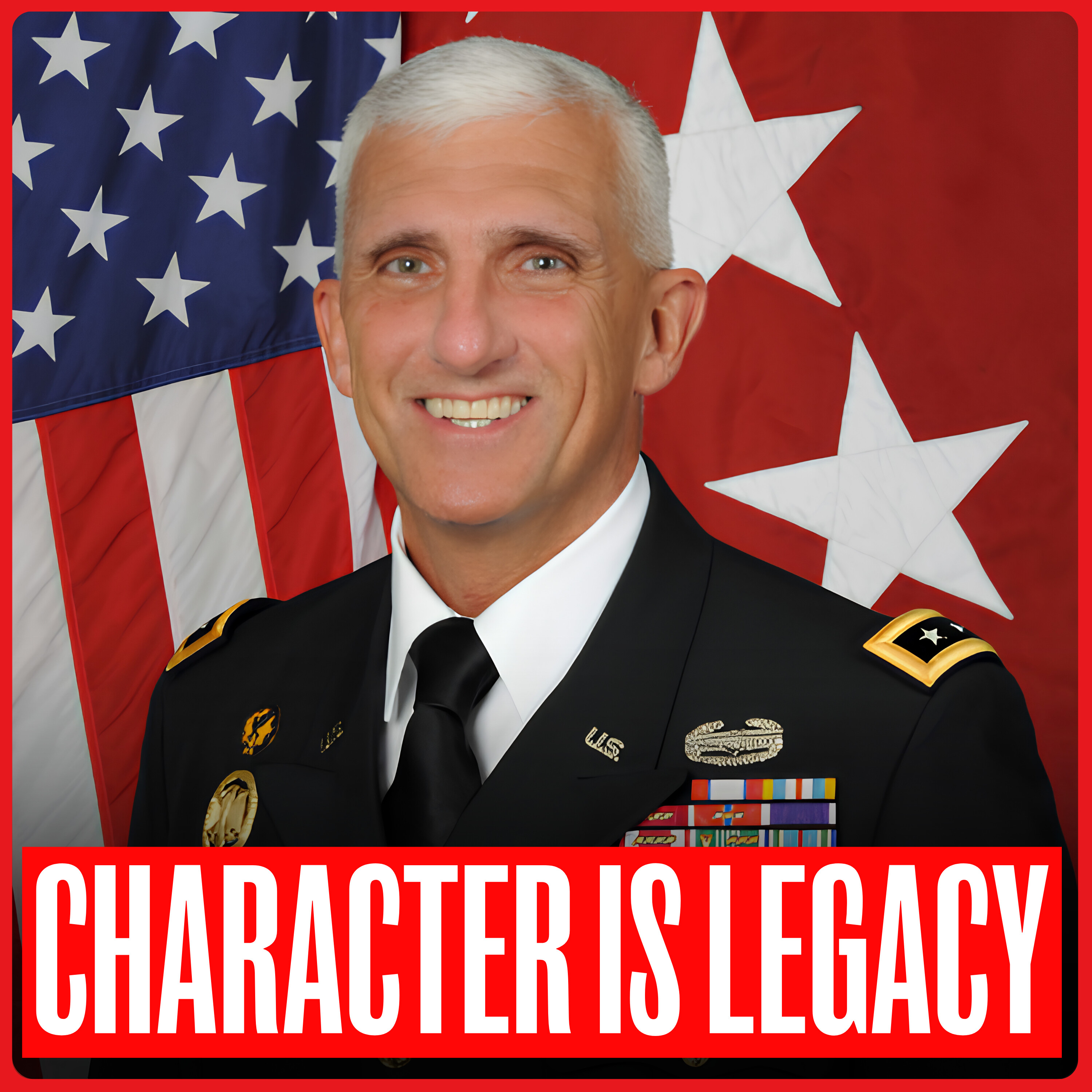
You Need An Ethical Will | Lt. Gen. Mark Hertling
Jun 21, 2026
Hollywood, The CIA & UFOs: The History Beyond Spielberg
Jun 20, 2026
What Our Fathers Teach Us, For Better Or Worse | Tom Junod
Jun 20, 2026
How To Love Your Country Without Lying About It | Ty Seidule
Jun 19, 2026
Recognize These Signs of Weakness | 7 Daily Habits That Will Change Your Life
Jun 15, 2026.svg)