
The Stoic Secrets Great Leaders Use | Daniel Coyle
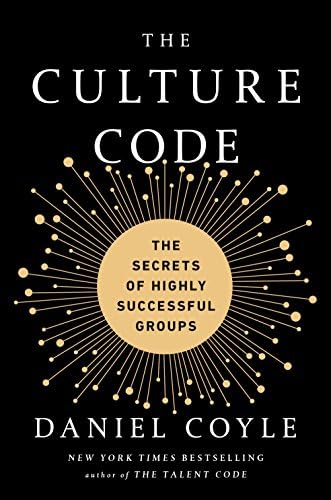
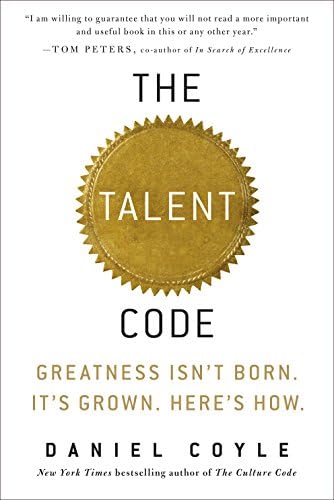
Ryan Holiday hosts Daniel Coyle, author of The Culture Code, The Talent Code, The Little Book of Talent, and his new book Flourish. Coyle has spent years studying elite teams...

Episode


- 01
Leadership isn't about controlling outcomes like a machine - it's about cultivating relationships and meaning like tending a garden
- 02
The four most important words a leader can say are 'I screwed that up' - Dave Cooper, Navy SEAL Team 6 commander
- 03
Organizations function more like rivers with clear boundaries and gradients than machines with levers and controls
- 04
Marcus Aurelius spent 20 years learning from Antoninus Pius, while his son Commodus rejected mentorship and ended the Pax Romana
- 05
Jose Ramirez's fearlessness came from playing adult league baseball at 13 with a machete behind home plate in the Dominican Republic
- 06
Complex systems require learning through experience and experimentation, not following expert instructions like complicated systems
- 07
Vulnerability creates relationships - shared vulnerable moments build trust rather than requiring trust to be built first
- 08
Leaders must constantly deflect and ask 'What do you think?' rather than just saying 'My door is always open'
Get the latest ideas from The Daily Stoic.
Plus the best new takeaways about leadership from other top podcasts — read in minutes, not hours.
By continuing, you agree to podbrain's Terms and Privacy Policy.
These notes may contain occasional inaccuracies. Learn how podbrain notes are made
Ryan Holiday hosts Daniel Coyle, author of The Culture Code, The Talent Code, The Little Book of Talent, and his new book Flourish. Coyle has spent years studying elite teams including the Cleveland Guardians (where he's worked for 12 years), Navy SEALs, Pixar, and other high-performing organizations.
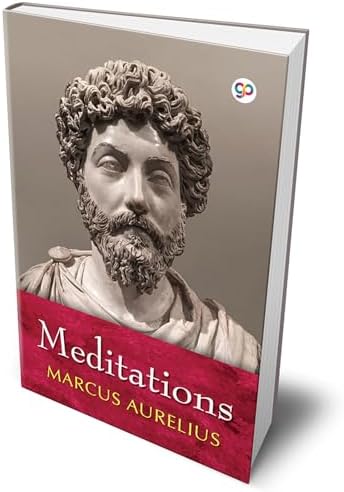
The conversation explores how real leadership differs from the popular 'captain of the ship' model, examining historical examples from Marcus Aurelius' 20-year apprenticeship detailed in Meditations to modern sports teams. They discuss why organizations function more like living ecosystems than controllable machines, and how the best leaders create conditions for others to flourish rather than trying to control outcomes directly.
From Machine Control to Garden Cultivation
Most leaders start with a 'captain of the ship' mentality, trying to control outcomes through levers and measurable results, but eventually reach a turning point where this stops working.
Successful leaders realize organizations aren't machines but living things that must beat entropy and adapt - 'if you operate like it's a machine you can steer, you'll reach the end' - Dan.
Effective leadership requires creating meaning and mattering (connective energy) plus designing space for agency within clear boundaries, like riverbanks channeling water toward a gradient.
The Apprenticeship Model of Leadership Development
Marcus Aurelius' story from Meditations illustrates ideal leadership development: Hadrian chose him as successor, arranged a 20-year apprenticeship under Antoninus Pius, creating co-emperorship before transition.
The contrast with Commodus is striking - despite having the best teachers in the empire selected by Marcus, 'one morning he gets up and he's kind of sick of it' and rejects mentorship.
Meditations opens with Marcus thanking mentors for specific lessons: Rusticus taught him to 'read attentively and not be satisfied with just getting the gist,' while Antoninus modeled 'compassion, unwavering adherence to decisions, indifference to superficial honors.'
Complex vs Complicated Systems in Leadership
Complicated things (watches, Legos) come together the same way every time with expert instruction, while complex things (raising teenagers, organizations) change as you interact with them.
Complex systems require learning through experience and experimentation - 'probe, do an experiment, see what happens' - rather than following predetermined instructions.
Leaders must embrace the experimental mindset: 'when that new stuff appears, I need to be ready for it' rather than seeking machine-like control.
Vulnerability and Feedback in High-Performance Teams
Navy SEAL Team 6 commander Dave Cooper taught that 'the four most important words that a leader can say are, I screwed that up' - creating space for others to help prevent future mistakes.
Cooper would deliberately stand by windows and tell new team members 'you got to tell me move away from the window' - actively training people to speak up and correct leadership.
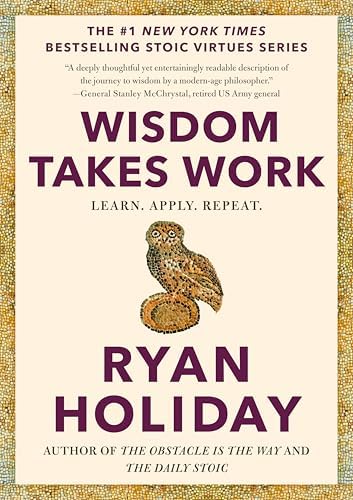
The Elon Musk example from Wisdom Takes Work shows the opposite: firing someone for criticism, then wondering 'Why isn't anyone else talking?' - demonstrating how leaders shut down feedback through their reactions.
Jose Ramirez and the Origins of Fearless Leadership
Cleveland Guardians star Jose Ramirez, signed for just $50,000 at 5'7", walked into the majors saying other players 'should ask me for my autograph' - displaying earned confidence.
His fearlessness traces to playing adult league baseball at 13 in the Dominican Republic where 'behind home plate, they kept a machete' - making the big leagues less intimidating by comparison.
The pattern shows how early high-pressure experiences create leaders who aren't intimidated by later challenges, contrasting with those who've 'always been the best player' and become brittle.
The Ecosystem of Talent Development
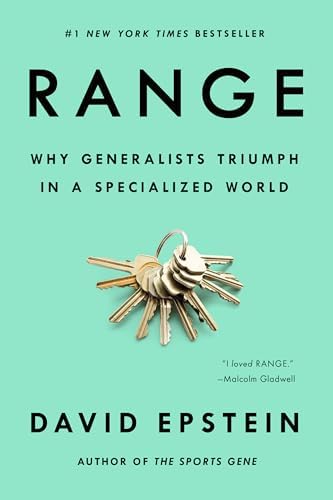
Drawing from The Talent Code and Range, the best leaders continue learning throughout their careers - Cleveland Guardians coach Stephen Vogt openly discusses having his own coach.
Publishing and sports industries fail by prioritizing short-term transactions over long-term development - 'How many authors do more than one book with the same publisher? It's extremely rare.'
Success stories like Sam Darnold prove that struggle and eventual breakthrough are more common than immediate success, yet organizations consistently give up on developing talent too early.


These notes may contain occasional inaccuracies. Learn how podbrain notes are made
More in Philosophy
You Need An Ethical Will | Lt. Gen. Mark Hertling
Jun 21, 2026
Hollywood, The CIA & UFOs: The History Beyond Spielberg
Jun 20, 2026
What Our Fathers Teach Us, For Better Or Worse | Tom Junod
Jun 20, 2026
How To Love Your Country Without Lying About It | Ty Seidule
Jun 19, 2026
Recognize These Signs of Weakness | 7 Daily Habits That Will Change Your Life
Jun 15, 2026.svg)