
The Complete Stoic Playbook To MASTER Your Emotions
This episode features Ryan Holiday, author and founder of Daily Stoic, delivering a comprehensive exploration of Stoic emotional mastery and practical philosophy for modern life.

Episode


- 01
"Why would you be angry with the world? As if the world would notice, as if the world would care" - Marcus Aurelius quoting Euripides
- 02
Anxiety is our most expensive habit, costing experiences and taking us out of perfect moments through unnecessary suffering
- 03
"Well-being is realized by small steps, but it's no small thing" - Zeno on incremental progress over magical solutions
- 04
"You know you're good when you can do it with a broken heart" - performing duties despite overwhelming emotions
- 05
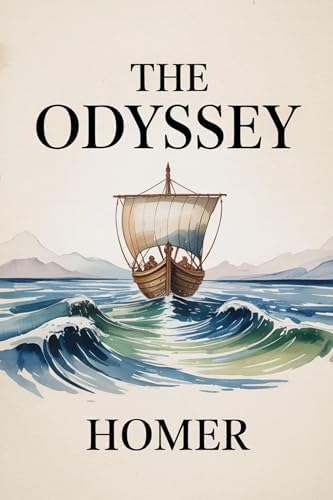
The Odyssey teaches that life isn't about one obstacle but "obstacle after obstacle after obstacle" requiring perseverance
- 06
"Show me a man who isn't a slave" - Seneca on self-imposed slavery to habits, urges, and desires
- 07
"Joy lies in doing human actions" with kindness to others being the most human action - Marcus Aurelius
- 08
The best proof of a well-ordered mind is "its ability to spend time in its own company" - Seneca
Get the latest ideas from The Daily Stoic.
Plus the best new takeaways about stoicism from other top podcasts — read in minutes, not hours.
By continuing, you agree to podbrain's Terms and Privacy Policy.
These notes may contain occasional inaccuracies. Learn how podbrain notes are made
This episode features Ryan Holiday, author and founder of Daily Stoic, delivering a comprehensive exploration of Stoic emotional mastery and practical philosophy for modern life.
The discussion covers core Stoic principles including emotional regulation, the discipline of perception, and finding meaning through adversity. Holiday draws extensively from Meditations by Marcus Aurelius, Seneca's On Anger, and Homer's The Odyssey to illustrate timeless wisdom about human resilience.
Key themes include the difference between events and our responses to them, the costly habit of anxiety, the power of incremental progress, and the Stoic ideal of being 'free of passions but full of love.' The conversation emphasizes practical applications of ancient philosophy for contemporary challenges.
The World Doesn't Care: Cultivating Proper Perspective
Marcus Aurelius quotes Euripides: "Why would you be angry with the world? As if the world would notice, as if the world would care" - emphasizing that nature is fundamentally impersonal and doesn't single us out.
We must cultivate proper perspective by understanding we are "very, very tiny and insignificant in the big scheme of things" rather than taking things personally or adding resentment.
The Stoics distinguish between the initial event and our response: "You don't control what happened, but you control how you respond to what happens."
Pause and Reflect: The Ancient Art of Emotional Regulation
A Stoic teacher advised Emperor Augustus to "count all the letters of the alphabet before he did anything" when upset, demonstrating the power of pausing before reacting.
In On Anger, Seneca argues that leaders, especially emperors, "can least afford to make decisions while angry" - a principle Lincoln followed by writing letters he never sent.
We tend to lose our temper with those closest to us due to "the problem of proximity" - having more interactions with family than strangers, yet they deserve our patience most.
The Expensive Habit of Anxiety and Unnecessary Suffering
Anxiety is described as "my most expensive habit" that "costs me experiences, takes me out of the moment, makes me rush through things" and ruins perfect moments.
Seneca's principle: "He who suffers before it is necessary suffers more than is necessary" - anxiety makes us suffer early and extra, even when our fears don't materialize.
The Stoic practice of premeditatio malorum should be constructive planning ("If this happens, I'll do this") rather than catastrophizing or generalized worry.
Epictetus observed that anxious people are "wanting something outside of their control" - the cure is focusing on what's actually up to us.
Small Steps and the Compound Effect of Daily Progress
In Meditations, Marcus Aurelius teaches that "you assemble your life action by action, step by step" rather than through genius solutions or creative breakthroughs.
Zeno's wisdom: "Well-being is realized by small steps, but it's no small thing" - emphasizing that incremental progress compounds into significant transformation.
Seneca advises acquiring "one thing a day" that makes you stronger or wiser, focusing on inching toward truth rather than seeking epiphanies.
Every creative project starts with a blank page - "Your last book won't help you write your next one" - but trusting the process leads from nothing to completion.
Perseverance Through Life's Continuous Obstacles
The Odyssey serves as the ultimate story of perseverance, with Odysseus facing "10 more years of obstacles and difficulties" after already enduring 10 years of war.
"Life isn't about one obstacle. Life is about obstacle after obstacle after obstacle" - Homer shows us we're all on our own kind of odyssey requiring endurance.
Epictetus's teaching summarized as "persist and resist" - persistence is action and energy, while perseverance is will and endurance over the long game.
"You know you're good when you can do it with a broken heart" - fulfilling duties and responsibilities despite grief, heartache, and overwhelming emotions.
Freedom from Self-Imposed Slavery and Finding True Joy
Seneca observes: "Show me a man who isn't a slave" - pointing out that self-imposed slavery to habits, urges, and desires is "the most shameful form of slavery."
Zeno's shipwreck became his fortune because "he made a great fortune when he suffered a shipwreck" by choosing to turn disaster into the foundation of Stoicism.
Marcus Aurelius teaches that "joy lies in doing human actions" with "the most human of action" being "kindness to others" - not beach vacations or pleasures.
True contentment comes from "having a life that you like that you're not trying to run away from" rather than constantly seeking escape through travel or stimulation.

These notes may contain occasional inaccuracies. Learn how podbrain notes are made
More in Philosophy

You Need An Ethical Will | Lt. Gen. Mark Hertling
Jun 21, 2026
Hollywood, The CIA & UFOs: The History Beyond Spielberg
Jun 20, 2026
What Our Fathers Teach Us, For Better Or Worse | Tom Junod
Jun 20, 2026
How To Love Your Country Without Lying About It | Ty Seidule
Jun 19, 2026
Recognize These Signs of Weakness | 7 Daily Habits That Will Change Your Life
Jun 15, 2026.svg)