
The Case for History (Before It Repeats Itself) | Kenny Curtis
Ryan Holiday hosts this episode of the Daily Stoic podcast, featuring an interview with Kenny Curtis, creator of the new history podcast History Snacks and producer behind the popular Greeking Out podcast from National Geographic.

Episode


- 01
"The only thing new in the world is the history you don't know" - Truman's insight reveals how studying the past provides essential context for present challenges
- 02
Kenny Curtis argues that understanding history is crucial because "you can't really predict the outcome as well if you don't know where you've been"
- 03
History gets a bad reputation because education focuses on memorizing dates rather than understanding people as complex individuals with relatable struggles
- 04
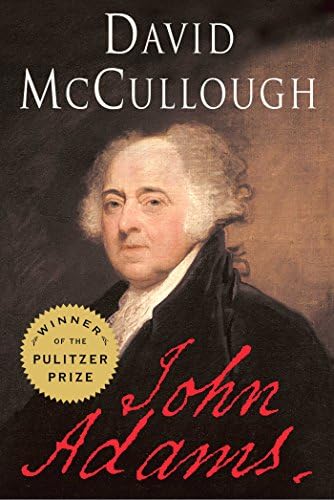
David McCullough wrote that history "teaches mainly by example" and "is an aid to navigation in perilous times" of momentous change
- 05
Marcus Aurelius lived through floods, famines, plagues, and wars while writing in Meditations that "it would take an idiot to feel self-importance or distress"
- 06
New archaeological discoveries at Pompeii continue changing our understanding, with recent finds suggesting the eruption date may be wrong
- 07
The Oracle of Delphi told Zeno that "the secret to the good life is to have conversations with the dead" - making history a superpower
Get the latest ideas from The Daily Stoic.
Plus the best new takeaways about history from other top podcasts — read in minutes, not hours.
By continuing, you agree to podbrain's Terms and Privacy Policy.
These notes may contain occasional inaccuracies. Learn how podbrain notes are made
Ryan Holiday hosts this episode of the Daily Stoic podcast, featuring an interview with Kenny Curtis, creator of the new history podcast History Snacks and producer behind the popular Greeking Out podcast from National Geographic.
The conversation explores why studying History Matters in our current moment of uncertainty and change. Holiday opens by discussing his recent interview with historian Doris Kearns Goodwin, noting how reading about Abraham Lincoln and the Civil War can be oddly relaxing and edifying in turbulent times.
Curtis brings expertise in making history accessible to all ages, while Holiday connects historical wisdom to Stoic philosophy. They discuss how figures like Truman consulted Lives by Plutarch for presidential guidance, and how David McCullough's works like History Matters and Truman demonstrate history's power to provide perspective.
The episode addresses why history education often fails students through rote memorization, and how understanding the past as conversations with complex, relatable people can transform our approach to present challenges.
Why History Provides Essential Life Navigation
Kenny Curtis argues that "you don't ever really know where you're going to wind up" without understanding where you've been, making historical knowledge crucial for decision-making and context.
History reveals common human experiences across cultures and time periods, allowing people to recognize patterns and say "this is like blank" when facing new situations.
Truman's observation that "the only thing new in the world is the history you don't know" captures how apparent novelty often reflects gaps in historical understanding rather than truly unprecedented events.
The Oracle of Delphi told Zeno that "the secret to the good life is to have conversations with the dead," framing historical study as a superpower for gaining wisdom from past experiences.
The Problem with Traditional History Education
History gets a bad reputation because education focuses on memorizing dates, names, and timelines rather than understanding historical figures as complex, relatable people with real struggles.
Curtis recalls that when students learn Meriwether Lewis was "struggling with his mental health on a daily basis" and Thomas Jefferson still chose him for the expedition, suddenly "there's a lot more at stake there."
The textbook After the Fact from the 1980s provided both historical narratives and documented sources, allowing readers to "check the source" and understand the difference between facts and interpretations.
Wright Thompson's examination of his childhood Mississippi textbook in The Blood of Emmett Till reveals how calling 14-year-old Emmett Till "a man" versus "a child" represents "an enormously significant fact" that changes story perception.
Balancing Facts with Narrative Truth
Ancient historians like Plutarch in Lives couldn't have known exact speeches word-for-word, but prioritized conveying "the sense of what the message was" and the human issues at stake.
Curtis explains that "facts don't do anything in and of themselves without context" - knowing Pericles gave a funeral speech matters less than understanding how it moved crowds and elevated his leadership.
Howard Zinn's concept from A People's History of the United States that "history was written by the winners" explains how events like the Trail of Tears were "literally glossed over" in traditional education.
The lesson from Pericles at Athens connects to Lincoln at Gettysburg - both show how "a great leader can use a moment like a funeral to bring people together" during times of peril.
History as Living, Evolving Discovery
Recent Pompeii discoveries continue changing our understanding - archaeologists found evidence of people living in three-story buildings where "the first two floors filled up with ash" and later residents used the third floor as ground level.
New excavations revealed bodies wearing heavy woolen clothing, challenging the assumption that Pompeii's eruption occurred in summer and potentially undermining our entire timeline based on Pliny's letters.
The real joy in studying history comes "when you know enough about a topic to disagree with the author" or question established narratives, making it an active rather than passive pursuit.
Holiday notes the "endlessness" of historical discovery, where even well-studied topics like the American Civil War continue yielding new insights and perspectives through ongoing research.
Ancient Wisdom for Modern Turbulence
David McCullough writes in History Matters that "what history teaches, it mainly teaches by example" and "is an aid to navigation in perilous times" of momentous change.
Marcus Aurelius in Meditations describes how "existence flows past us like a river" and "it would take an idiot to feel self-importance or distress as if the things that irritate us lasted."
Historical figures like Socrates, Cato, Seneca, and Epictetus all lived through political dysfunction, technological disruption, and social upheaval - "there have always been times like these."
Marcus Aurelius experienced floods, famines, plagues, and wars while noting that "change and flux constantly remake the world, just as the incessant progression of time remakes eternity."




These notes may contain occasional inaccuracies. Learn how podbrain notes are made
More in Philosophy
You Need An Ethical Will | Lt. Gen. Mark Hertling
Jun 21, 2026
Hollywood, The CIA & UFOs: The History Beyond Spielberg
Jun 20, 2026
What Our Fathers Teach Us, For Better Or Worse | Tom Junod
Jun 20, 2026
How To Love Your Country Without Lying About It | Ty Seidule
Jun 19, 2026
Recognize These Signs of Weakness | 7 Daily Habits That Will Change Your Life
Jun 15, 2026.svg)