
Lincoln’s Secret Weapon (It Wasn’t Power)
Ryan Holiday interviews Pulitzer Prize-winning historian Doris Kearns Goodwin on stage at the Rancho Mirage Writers Festival. Goodwin is the author of acclaimed presidential biographies including Team of Rivals,...

Episode


- 01
The Bully Pulpit reveals that politicians can't just be morally correct - they must master communication to sell their vision to the public
- 02
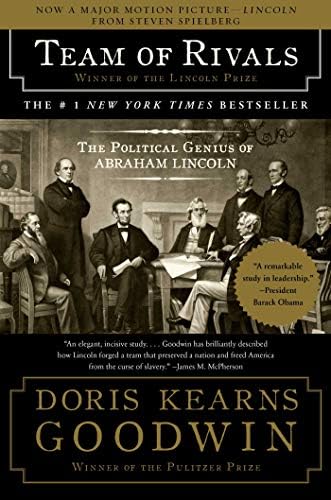
Lincoln's decision to appoint his three chief rivals to his cabinet, as detailed in Team of Rivals, demonstrates that great leaders surround themselves with the strongest people available
- 03
Lincoln would write angry letters to generals and subordinates but put them in his desk drawer unsigned - a practice that saved relationships and decisions
- 04
Meditations shows Marcus Aurelius writing to himself about universal struggles like getting out of bed, proving philosophy can address everyday human challenges
- 05
Lincoln called his daily meetings with ordinary citizens seeking jobs his 'public opinion baths' - essential for understanding where the public stood on issues
- 06
The Stoic practice of memento mori creates urgency and clarity about time rather than depression - 'you have right now, what are you going to do with it?'
- 07
Lincoln's confidence came from knowing he was always ahead of his classmates in reading and understanding, combined with the humility to keep learning
- 08
Goodwin at 83 feels 'an awareness that I've not got 30 years left' - making decisions about what's essential versus working with people you don't care about
Get the latest ideas from The Daily Stoic.
Plus the best new takeaways from other top podcasts — read in minutes, not hours.
By continuing, you agree to podbrain's Terms and Privacy Policy.
These notes may contain occasional inaccuracies. Learn how podbrain notes are made
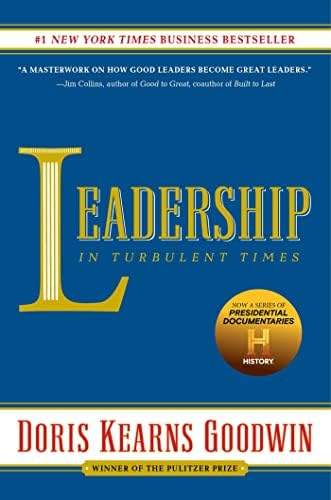
Ryan Holiday interviews Pulitzer Prize-winning historian Doris Kearns Goodwin on stage at the Rancho Mirage Writers Festival. Goodwin is the author of acclaimed presidential biographies including Team of Rivals, The Bully Pulpit, and Leadership in Turbulent Times, and served as a White House Fellow under President Lyndon Johnson.
The conversation explores Lincoln's leadership during the Civil War, examining how he combined moral vision with political skill to communicate effectively with the American public. They discuss Lincoln's practice of writing unsent letters, his cabinet of rivals strategy, and his method of staying connected to public opinion through daily citizen meetings.
Holiday draws connections between Lincoln's approach and Stoic philosophy, particularly Meditations by Marcus Aurelius, exploring how both figures used reading and reflection to maintain perspective during crisis. The discussion covers the importance of studying history to understand the present, with Goodwin noting how her chapter on tariffs in The Bully Pulpit became unexpectedly relevant to current political debates.
Reading History Provides Distance and Perspective During Crisis
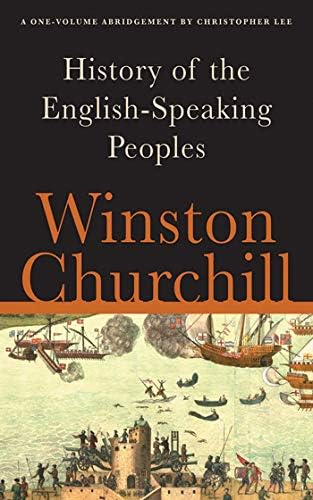
Churchill wrote to his agent while finishing A History of the English-Speaking Peoples during WWII: 'It's good to have a thousand years of distance between me and the present moment.'
Team of Rivals restores faith in humanity because 'you know how they ended' - the Union was preserved and emancipation secured, while those living through it faced uncertainty.
Goodwin's tariff chapter in The Bully Pulpit seemed irrelevant when written but became highly relevant to current political debates, demonstrating how the past illuminates the present.
Lincoln's Cabinet of Rivals Strategy and Leadership Philosophy
The night Lincoln was elected, he decided to appoint his three chief rivals to his cabinet - each thinking they were more powerful, celebrated, and educated than Lincoln.
'The country's in peril. These are the strongest and most able people in the country. I need them by my side' - Lincoln, explaining his cabinet strategy despite friends' warnings he'd look like a figurehead.
Lincoln's confidence came from always being 'by far ahead of everybody else in the class' in reading and understanding, combined with humility to know what he didn't know.
He demonstrated the combination of confidence and humility that serves as 'the antidote to ego' - hungry enough to learn but willing to bet on himself when everyone thought all was lost.
The Power of Unsent Letters and Emotional Self-Regulation
Lincoln wrote angry letters to General Meade after Gettysburg saying 'I'm immeasurably distressed' but put it aside unsigned, knowing it would 'paralyze the general in the field.'
A CEO wrote Holiday that after reading Team of Rivals, he put an angry email in 'save rather than send' and discovered the next morning his information was wrong - 'Lincoln saved me.'
Lincoln said 'words can hurt as well as heal. Words can divide as well as unite' - refusing to speak extemporaneously even when crowds demanded speeches after Union victories.
Lincoln's Communication Mastery and Public Opinion Strategy
Lincoln called his daily meetings with ordinary citizens seeking jobs his 'public opinion baths' - telling aides 'I must never forget the popular assemblage from which I've come.'
'With public sentiment, anything is possible. Without it, nothing is possible' - Lincoln understood that democratic leadership requires constant sensing of where the public stands.
As a lawyer, Lincoln made juries 'feel they were coming to the conclusion he wanted them to come to' by helping them understand facts and arguments naturally.
The Gettysburg Address wasn't written on the train - Lincoln had been thinking about it and making notes, demonstrating his practice of laboring over every word as both lawyer and poet.
Stoic Philosophy and the Practice of Memento Mori
Meditations struck Holiday because it showed 'the most powerful man in the world talking to himself about why he can't huddle under the covers and stay warm.'
Marcus Aurelius wrote in second person to himself about getting out of bed early, and 'because it's so specific, it becomes universal' - creating connection through authentic self-examination.
The Stoic practice of memento mori provides 'something sort of urgent and clarifying that reminds you, like, you have right now, what are you going to do with it?'
Goodwin at 83 feels 'an awareness that I've not got 30 years left' which helps decide 'what's essential and what's not essential' - including not having 'time for assholes.'
Lincoln's Self-Education and Relationship with Literature
Lincoln had only one year of formal schooling but 'had to go get' his education - walking miles to obtain books and becoming so excited 'he couldn't eat, he couldn't sleep.'
When Lincoln couldn't verify a campaign biography's claim that he read Plutarch's Lives, he obtained and read Plutarch, making the biography truthful after the fact.
Lincoln read Shakespeare's comedies aloud to his aides at night 'so that instead of thinking about the war and the number of people who died that day, the comedy would be in his head.'
He said 'a good story was better for him than a drop of whiskey' and that he 'whistled off sadness through laughter' - using humor as emotional regulation during the Civil War.





These notes may contain occasional inaccuracies. Learn how podbrain notes are made
More in Philosophy
You Need An Ethical Will | Lt. Gen. Mark Hertling
Jun 21, 2026
Hollywood, The CIA & UFOs: The History Beyond Spielberg
Jun 20, 2026
What Our Fathers Teach Us, For Better Or Worse | Tom Junod
Jun 20, 2026
How To Love Your Country Without Lying About It | Ty Seidule
Jun 19, 2026
Recognize These Signs of Weakness | 7 Daily Habits That Will Change Your Life
Jun 15, 2026.svg)