
It’s Right There. Take It. | Stoic Lessons Hidden in Bruce Springsteen Songs
Ryan Holiday hosts this Daily Stoic podcast episode exploring how Bruce Springsteen's music connects to ancient Stoic philosophy. Holiday, author of Wisdom Takes Work and a devoted Springsteen fan, reveals how he frequently incorporates the Boss's lyrics into Daily Stoic and Daily...

Episode


- 01
History is unlimited knowledge available to everyone, yet most people ignore it despite its power to prevent repeating past mistakes
- 02
Seneca warned against 'dying little by little, piece by piece' - the same slow spiritual death Bruce Springsteen captured in 'Racing in the Street'
- 03
Marcus Aurelius and Cato chose kindness with flawed family members, understanding that 'when it's your brother, sometimes you look the other way'
- 04
Arthur Ashe wrote that 'we are being watched by our ancestors' - we must choose to be ancestors who guide rather than ghosts who haunt
- 05
Most intense anger and passionate fights are ultimately about nothing, becoming 'smoke, dust, legend, or not even legend' over time
- 06
Epictetus taught that everything has two handles - we can choose to grab the offense or grab the love and forgiveness
Get the latest ideas from The Daily Stoic.
Plus the best new takeaways from other top podcasts — read in minutes, not hours.
By continuing, you agree to podbrain's Terms and Privacy Policy.
These notes may contain occasional inaccuracies. Learn how podbrain notes are made
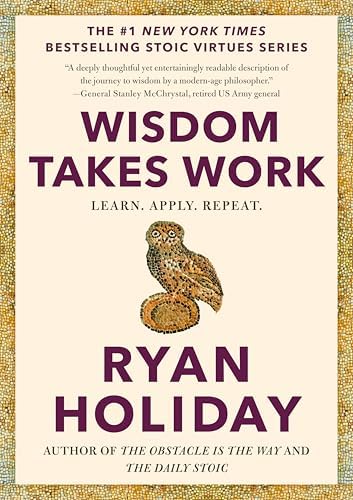
Ryan Holiday hosts this Daily Stoic podcast episode exploring how Bruce Springsteen's music connects to ancient Stoic philosophy. Holiday, author of Wisdom Takes Work and a devoted Springsteen fan, reveals how he frequently incorporates the Boss's lyrics into Daily Stoic and Daily Dad emails.
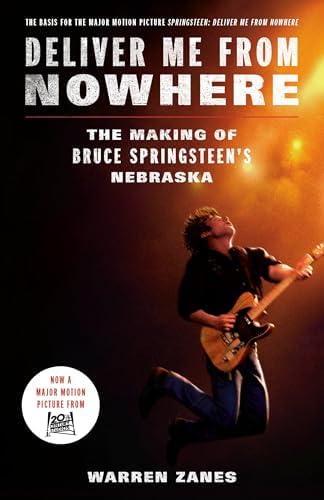
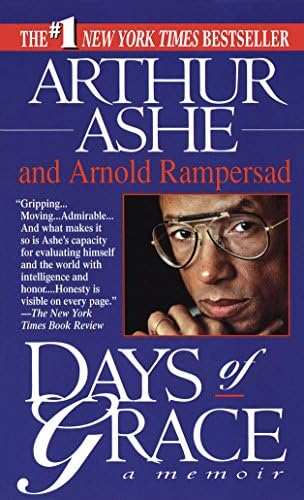
The episode examines timeless themes through both Springsteen's songs and Stoic texts, including Meditations by Marcus Aurelius, On the Shortness of Life by Seneca, and insights from Days of Grace A Memoir by Arthur Ashe. Holiday also mentions his enthusiasm for Deliver Me from Nowhere The Making of Bruce Springsteen's Nebraska, which he regularly recommends at his bookstore.
Drawing parallels between ancient wisdom and modern music, Holiday explores how both Springsteen and the Stoics address universal human struggles: wasted time, family relationships, legacy, and the futility of most conflicts.
History as Unlimited Knowledge Most People Ignore
Epictetus said 'it's impossible to learn that which you think you already know,' while Truman noted 'the only thing new in the world is the history you don't know.'
History provides unlimited knowledge that's 'not under lock and key' and 'not secret knowledge,' yet most people ignore this freely available wisdom.
Wisdom Takes Work examines lives of people who studied history and 'used it to make better decisions when it mattered most.'
The Slow Death of Giving Up on Dreams
Bruce Springsteen's 'Racing in the Street' captures how 'some guys, they just give up living, and start dying little by little, piece by piece.'
On the Shortness of Life by Seneca addresses the same timeless problem: 'How much time has been lost to groundless anguish, greedy desire, the charms of society.'
Both Seneca and Springsteen urge people to 'wake up' and 'stop sleepwalking' before dying 'before your time.'
Being an Ancestor Rather Than a Ghost
Arthur Ashe wrote in Days of Grace A Memoir that 'we are being watched by our ancestors' and 'we possess more than they ever dreamed of having.'
Springsteen sang about being 'haunted by their ghosts,' raising the question of whether we become ancestors who guide or ghosts who haunt our children.
We must choose whether to leave 'the kind of legacy that will protect them, that will guide them, that will inspire them' or haunt them with unresolved pain.
Family Forgiveness and Looking the Other Way
Marcus Aurelius loved his stepbrother Lucius Verus despite his flaws, while Cato accepted his brother's love of luxury, understanding that 'when it's your brother, sometimes you look the other way.'
Epictetus taught that everything has 'two handles' - you can grab hold of the wrong done to you or 'the fact that it was done by your brother, someone you were raised with.'
When Cato's brother died, 'he told a friend he'd rather part with his life than his brother's ashes,' demonstrating the depth of family loyalty.
Fighting Over Nothing Until Nothing Remains
Springsteen's 'Tucson Chain' contains the lyric: 'We fought hard over nothing, we fought till nothing remained, and I carried that nothing for a long time.'
Meditations by Marcus Aurelius offers a similar reflection: 'Run down the list of those who felt intense anger at something... Where is all that now? Smoke, dust, legend, or not even legend.'
Both ancient philosophy and modern music reveal how 'we turn nothing into something and then hold on to it like it's everything,' ultimately driving away the people and good times we once loved.


These notes may contain occasional inaccuracies. Learn how podbrain notes are made
More in Philosophy
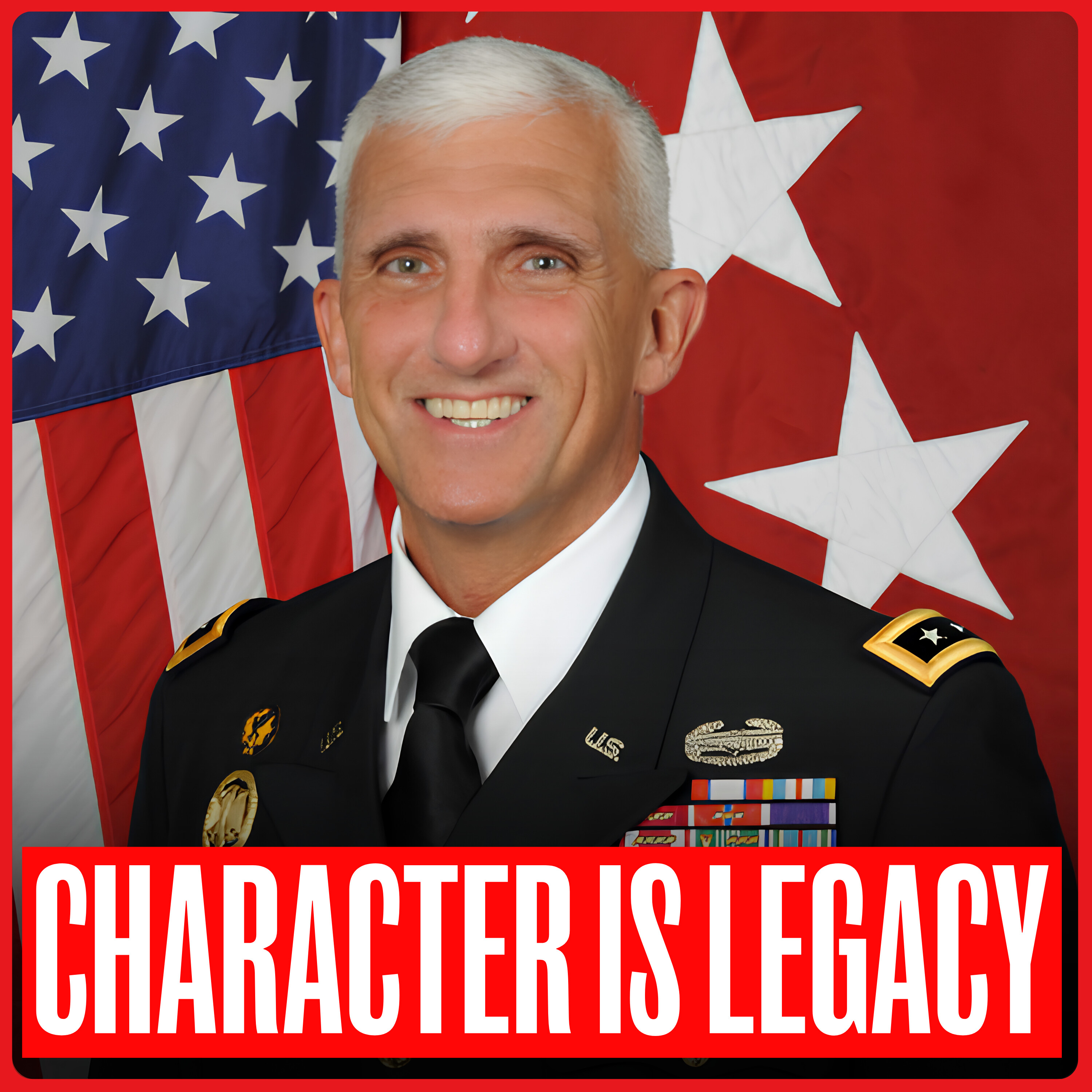
You Need An Ethical Will | Lt. Gen. Mark Hertling
Jun 21, 2026
Hollywood, The CIA & UFOs: The History Beyond Spielberg
Jun 20, 2026
What Our Fathers Teach Us, For Better Or Worse | Tom Junod
Jun 20, 2026
How To Love Your Country Without Lying About It | Ty Seidule
Jun 19, 2026
Recognize These Signs of Weakness | 7 Daily Habits That Will Change Your Life
Jun 15, 2026.svg)