
It Picks You Up. It Puts You Down. A Hundred Times A Day. | Cultivate Indifference
Ryan Holiday hosts this Daily Stoic podcast episode focused on cultivating indifference as a core Stoic practice. The discussion draws heavily from classical Stoic texts including Marcus Aurelius's Meditations, Epictetus's...

Episode


- 01
Marcus Aurelius in Meditations advises being like a rock that waves crash over but remains unmoved
- 02
Epictetus categorizes all things as good (virtues), bad (vices), or indifferent (wealth, health, life, death)
- 03
Stoic indifference means being prepared to thrive in any condition, not chasing what's beyond control
- 04
Later Stoics developed 'preferred indifference' - choosing tall over short while remaining philosophically detached
- 05
Seneca teaches that a wise person wants things but doesn't need them - making do with what is
- 06
The passions pick us up and put us down hundreds of times daily, burning us out unnecessarily
- 07
True strength comes from adjusting and making the best of whatever life throws at you
Get the latest ideas from The Daily Stoic.
Plus the best new takeaways about stoicism from other top podcasts — read in minutes, not hours.
By continuing, you agree to podbrain's Terms and Privacy Policy.
These notes may contain occasional inaccuracies. Learn how podbrain notes are made
Ryan Holiday hosts this Daily Stoic podcast episode focused on cultivating indifference as a core Stoic practice. The discussion draws heavily from classical Stoic texts including Marcus Aurelius's Meditations, Epictetus's Discourses, and Seneca's Moral Letters.
The episode explores how Stoic philosophy evolved from early cynical categorizations to more practical approaches that recognize 'preferred indifference.' Holiday references his own works Lives of the Stoics and The Daily Stoic Journal to illustrate how ancient wisdom applies to modern emotional resilience and decision-making.
The Exhausting Cycle of Emotional Slavery
The passions 'pick you up, put you down a hundred times a day' creating an exhausting cycle of excitement and disappointment that burns us out.
Meditations teaches us to 'be like the rock that the waves keep crashing over' - standing unmoved while the raging sea falls still around it.
The goal is not to feel nothing, but to be 'less pulled, less shaken, less owned by every passing wave' - maintaining agency over our responses.
The Stoic Categories: Good, Bad, and Indifferent
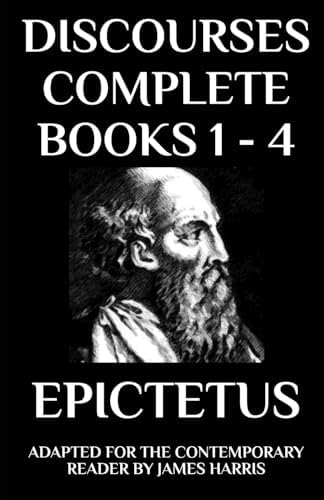
Discourses by Epictetus defines the three categories: 'The good are virtues and all that share in them, the bad are vices and all that indulge them. The indifferent lie in between virtue and vice and include wealth, health, life, death, pleasure, and pain.'
Meditations 8.56 emphasizes individual autonomy: 'My reason choice is as indifferent to the reason choice of my neighbor... the ruling reason in each of us is a master of its own affair.'
Moral Letters 92 by Seneca states that 'things in life which are advantageous and disadvantageous' are 'both beyond our control.'
The Evolution from Cynical to Practical Stoicism
Lives of the Stoics discusses how early Stoics were 'much more cynical' and closer to the cynic philosophical school, seeing everything as either virtue or vice.
Later Stoics became 'more practical, pragmatic' recognizing gray areas and developing the concept of 'preferred indifference.'
Seneca's preferred indifference means 'if you had a choice, you'd probably pick tall' over short or 'rich over poor' - but you're philosophically cool either way.
Practical Indifference as Strength, Not Nihilism
Stoic indifference is 'not like nihilism' but rather 'resiliency' - the ability to be good with whatever happens.
Seneca teaches that 'a wise man wants stuff, but it doesn't need it' - we make do with what is while having preferences.
The Daily Stoic Journal provides structured exercises for cultivating this 'strength of endurance' through weekly Meditations.
True Stoic power means 'we'll respond, we'll endure, we'll survive, we'll make the best of everything' - being strong and confident through indifference.



These notes may contain occasional inaccuracies. Learn how podbrain notes are made
More in Philosophy

You Need An Ethical Will | Lt. Gen. Mark Hertling
Jun 21, 2026
Hollywood, The CIA & UFOs: The History Beyond Spielberg
Jun 20, 2026
What Our Fathers Teach Us, For Better Or Worse | Tom Junod
Jun 20, 2026
How To Love Your Country Without Lying About It | Ty Seidule
Jun 19, 2026
Recognize These Signs of Weakness | 7 Daily Habits That Will Change Your Life
Jun 15, 2026.svg)