
BONUS | How to Reset Your Life (According to the Stoics)
Ryan Holiday delivers a comprehensive exploration of Stoic philosophy focused on taking immediate action, eliminating procrastination, and transforming obstacles into opportunities. Drawing extensively from Marcus Aurelius' Meditations, Holiday weaves together personal anecdotes about his...

Episode


- 01
"The heights of great men weren't reached by sudden flight... while their companions slept, they toiled upwards through the night" - Longfellow
- 02
Marcus Aurelius: "If you want tranquility, ask yourself in every moment, is this thing essential?"
- 03
Seneca said he pitied people who hadn't been through hardship because "they didn't know what they were capable of"
- 04
"Good fortune is up to me - it's good intentions, good character, and good deeds" - Marcus Aurelius
- 05
Eisenhower quit smoking four packs a day cold turkey by saying "I gave myself an order to stop smoking"
- 06
"Well-being is realized by small steps, but it is no small thing" - Zeno's foundational Stoic principle
- 07
Procrastination "snatches away each day and denies us the present by promising us the future" - Seneca
Get the latest ideas from The Daily Stoic.
Plus the best new takeaways about stoicism from other top podcasts — read in minutes, not hours.
By continuing, you agree to podbrain's Terms and Privacy Policy.
These notes may contain occasional inaccuracies. Learn how podbrain notes are made
Ryan Holiday delivers a comprehensive exploration of Stoic philosophy focused on taking immediate action, eliminating procrastination, and transforming obstacles into opportunities. Drawing extensively from Marcus Aurelius' Meditations, Holiday weaves together personal anecdotes about his own book The Obstacle Is the Way and insights from Discipline Is Destiny.
The discussion covers practical applications of ancient wisdom, from the importance of early morning routines and physical challenges to the necessity of eliminating non-essential activities. Holiday emphasizes how Stoic principles can help overcome procrastination, build discipline, and maintain focus on what we actually control.
Throughout the episode, Holiday references historical figures like Epaminondas, Richard Feynman, and Dwight Eisenhower to illustrate how Stoic concepts apply to real-world challenges including career setbacks, addiction, and the pursuit of excellence.
The Power of Starting When Others Sleep
"The heights of great men weren't reached by sudden flight... while their companions slept, they toiled upwards through the night" - Longfellow's quote captures the advantage of working when others don't.
The best time to make progress is "precisely when everyone else is not doing that" - whether it's too wet, cold, hot, or early for others.
Having the ocean, pool, track, or roads to yourself creates the most "peaceful and wonderful and quiet and still time" for meaningful work.
Transforming Obstacles Into Growth Opportunities
"Before it happened, you were scared... sheltered... soft... dependent. But after... now you're something different. Now you're something new."
Seneca "actually pitied people who hadn't been through things" because "they didn't know what they were capable of."
When The Obstacle Is the Way first came out, it "sold a couple thousand copies its first week, and then the next week it sold less copies and then less copies," but Holiday stayed focused on his next book rather than dwelling on the reception.
The Greek politician Epaminondas transformed a humiliating assignment to run sewers into political success by treating the job with complete seriousness and excellence.
The Essential Question: Eliminating What Doesn't Matter
Marcus Aurelius teaches that "if you want tranquility, you have to ask yourself in every moment, is this thing essential?"
From Meditations: "Most of what we do, most of what we say is not essential. But when you eliminate those inessential things, what you get is the benefit of doing the essential things better."
The secret to getting more done is "not doing more. It's in fact doing less" through ruthless elimination of non-essential activities.
Breaking Free From Internal Slavery
In Discipline Is Destiny, Richard Feynman felt uncomfortable with a 10 AM craving for alcohol because "it was coming from a part of him that he didn't control."
Seneca taught that "slavery isn't just this legal status... someone's a slave to their mistress, somebody's a slave to money, someone's a slave to power and attention."
Eisenhower, after smoking four packs a day for 40 years, told his doctor "I gave myself an order to stop smoking" and quit cold turkey immediately.
The fundamental question becomes: "This habit, this addiction, this vice that I have, this thing that I want, or am I in charge?"
Eight Stoic Strategies to Beat Procrastination
Take it "action by action" - Marcus Aurelius says "you can't be crushed by your imagination as a whole" and Zeno taught that "well-being is realized by small steps, but it is no small thing."
Establish routine because "life is too erratic without design" - Seneca emphasizes that routine "eliminates uncertainty" and "boxes procrastination out."
Remember mortality: "You could be good today. Marcus Aurelius says instead you choose tomorrow" because we falsely believe we have unlimited time.
Choose your environment carefully - Epictetus warns that "if you live with a lame man, you will learn how to limp" because "we become like the people we're around."
Creating Good Fortune Through Character
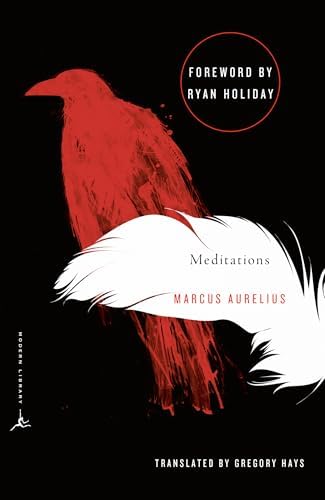
In Meditations, Marcus Aurelius initially laments that "fortune abandoned me" while living through plague, famine, civil war, and personal struggles.
But then he corrects himself: "No, good fortune is up to me. It's good intentions, good character, and good deeds."
"If you want to live in good times, you have to do good things" - we control our choices and actions even when we can't control external circumstances.

These notes may contain occasional inaccuracies. Learn how podbrain notes are made
More in Philosophy
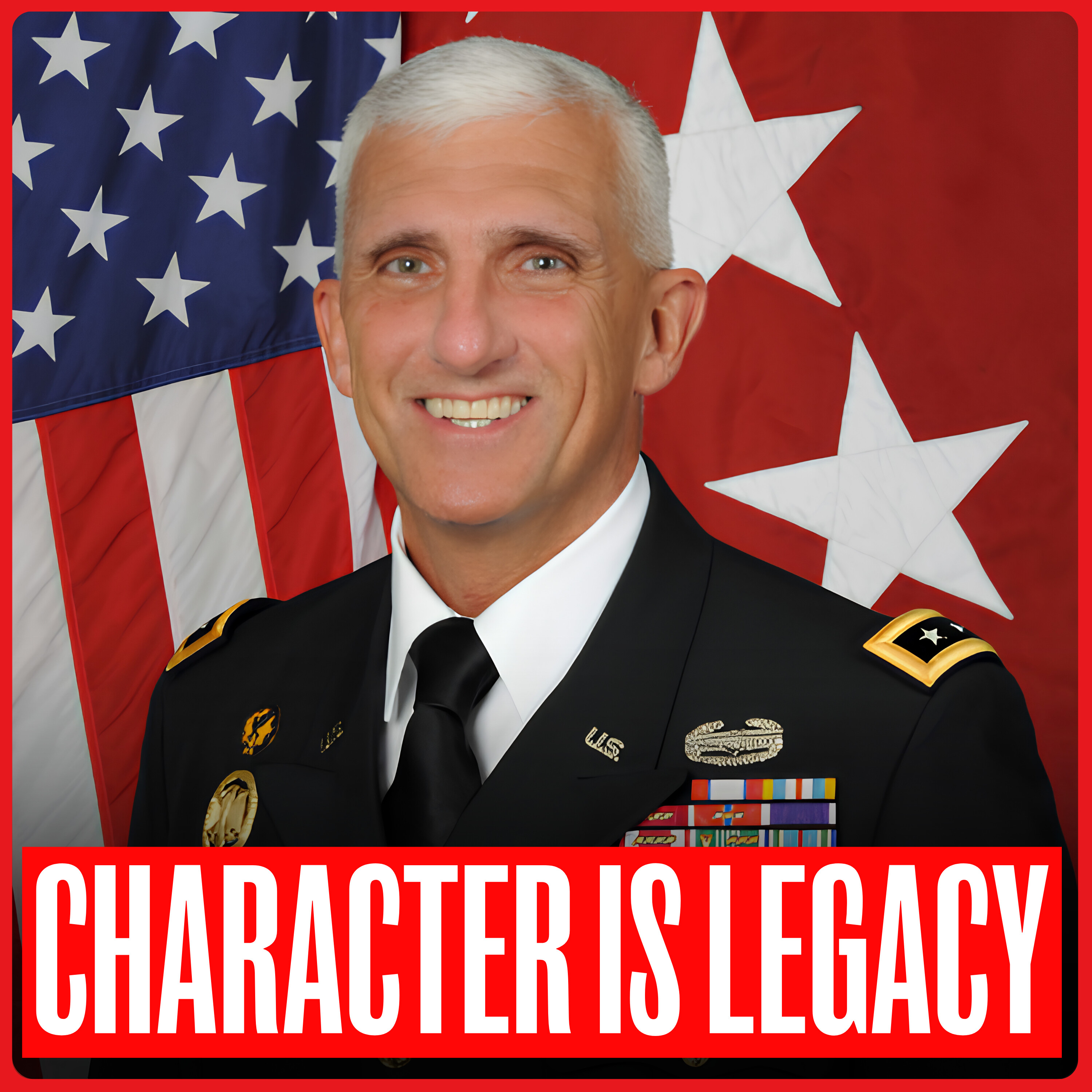
You Need An Ethical Will | Lt. Gen. Mark Hertling
Jun 21, 2026
Hollywood, The CIA & UFOs: The History Beyond Spielberg
Jun 20, 2026
What Our Fathers Teach Us, For Better Or Worse | Tom Junod
Jun 20, 2026
How To Love Your Country Without Lying About It | Ty Seidule
Jun 19, 2026
Recognize These Signs of Weakness | 7 Daily Habits That Will Change Your Life
Jun 15, 2026.svg)