
BONUS | Charles Duhigg's Reading List (From Ryan Holiday)
This conversation takes place at The Painted Porch bookstore in Bastrop, Texas, featuring Ryan Holiday, bestselling author and owner of the bookstore, discussing his writing process, book curation, and the unique aspects of running an independent bookstore.

Episode


- 01
Ask the Dust by John Fante was lost to history when his publisher was bankrupted over Mein Kampf copyright disputes
- 02
Charles Bukowski rediscovered Ask the Dust in the Los Angeles Public Library, leading to its eventual film adaptation
- 03
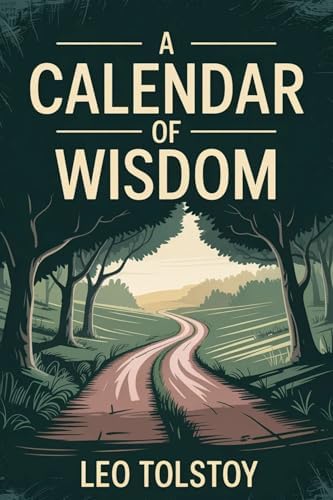
A Calendar of Wisdom by Tolstoy was suppressed by Soviets for its religious content and forgotten until the 1980s-90s
- 04
Ryan Holiday uses 4x6 note cards laid out on a table to organize research for his cardinal virtues book series
- 05
Holiday transforms unmarketable virtues like temperance into compelling concepts like self-discipline in Discipline Is Destiny
- 06
The bookstore's fireplace is built from 2,000 books, 4,000 screws, and six gallons of glue as an Instagram-worthy feature
- 07
Cal Newport's Slow Productivity had just been released two days before this conversation
- 08
Holiday's writing process involves finding compelling themes and character archetypes rather than starting with stories
Get the latest ideas from The Daily Stoic.
Plus the best new takeaways about reading from other top podcasts — read in minutes, not hours.
By continuing, you agree to podbrain's Terms and Privacy Policy.
These notes may contain occasional inaccuracies. Learn how podbrain notes are made
This conversation takes place at The Painted Porch bookstore in Bastrop, Texas, featuring Ryan Holiday, bestselling author and owner of the bookstore, discussing his writing process, book curation, and the unique aspects of running an independent bookstore.
The discussion covers Holiday's research methodology using physical note cards, his approach to making abstract philosophical concepts marketable, and specific books that have influenced his work. The conversation also explores the bookstore's design elements, including a fireplace made from 2,000 books, and touches on regional book preferences and surprising bestsellers.
Key topics include the rediscovery of forgotten literary works like Ask the Dust, Holiday's current work on a cardinal virtues series, and insights into transforming academic concepts into accessible popular books.
The Lost and Found Literature of Los Angeles
Ask the Dust by John Fante is Holiday's "favorite LA book of all time," a novel about a struggling writer in Bunker Hill before the Victorian mansions were torn down for modern buildings.
The book was lost to history when Fante's publisher was bankrupted after Houghton Mifflin sued over an unauthorized edition of Mein Kampf - "HMH owned the copyright to Mein Kampf. They were Hitler's U.S. publisher."
Charles Bukowski discovered Ask the Dust in the Los Angeles Public Library, and Robert Towne later adapted it into a film, bringing the forgotten work back to prominence.
Physical Note Cards and Writing Architecture
Holiday uses "four by six note cards" laid out on a table upstairs to organize research for his cardinal virtues series on courage, discipline, justice, and wisdom.
His process involves identifying compelling themes first, then finding character archetypes: "Lou Gehrig's the physical manifestation of discipline. Queen Elizabeth is the temperament or emotional side of it."
The challenge is making abstract virtues marketable: "You can't write a book about temperance. No one would read that" - so he reframed it as Discipline Is Destiny.
Curating Forgotten and Regional Books
A Calendar of Wisdom by Tolstoy, "the last thing that he wrote," was suppressed by Soviets for being "very religious" and forgotten until the 1980s or 90s.
The Painted Porch is "one of the only places that's selling them" for several obscure titles, causing publishers to constantly run out of stock.
Texas-themed books perform well regionally, with the LBJ biography series being "some of the greatest biographies ever written" and popular with local customers.
Bookstore Design as Social Media Strategy
The fireplace is constructed from "2,000 books, 4,000 screws, six gallons of glue" with many books cut to reduce weight while maintaining the visual effect.
"The first thing they want to do is take a picture in front of it" - the design serves as an Instagram-worthy feature that encourages social sharing.
Unlike typical "pink background" Instagram setups, the book fireplace "looks actually distinct" and creates a unique branded experience for visitors.
Contemporary Productivity Literature
Slow Productivity by Cal Newport "came out two days ago" and represents his "smart way to come at productivity," building on his previous work.
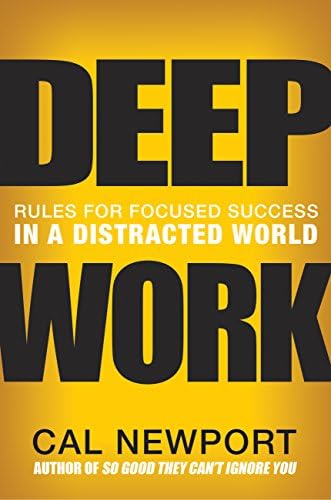
Newport's Deep Work is described as "incredible" and exemplifies his approach to focused work practices in an increasingly distracted world.
Both Newport and David Epstein (author of Range) are represented by the same agency and have appeared at The Painted Porch for events.




These notes may contain occasional inaccuracies. Learn how podbrain notes are made
More in Philosophy

You Need An Ethical Will | Lt. Gen. Mark Hertling
Jun 21, 2026
Hollywood, The CIA & UFOs: The History Beyond Spielberg
Jun 20, 2026
What Our Fathers Teach Us, For Better Or Worse | Tom Junod
Jun 20, 2026
How To Love Your Country Without Lying About It | Ty Seidule
Jun 19, 2026
Recognize These Signs of Weakness | 7 Daily Habits That Will Change Your Life
Jun 15, 2026.svg)