
Eric Roth
Eric Roth, the Academy Award-winning screenwriter behind Forrest Gump, The Curious Case of Benjamin Button, and A Star Is Born, joins Rick Rubin for an expansive conversation about storytelling, adaptation, and the creative process. At 78, Roth reflects on a career spanning decades of Hollywood's evolution, from his...

Episode

- 01
"All learning is anti-forgetting, so spaced repetition is key" - Roth on the creative process and memory retention
- 02
Bob Dylan found his creative breakthrough in a Louisiana gift shop with a card reading "world's greatest grandpa" as described in Chronicles
- 03
Roth adapted Dune for Denis Villeneuve despite it not being his favorite book, calling it "tricky" due to multiple failed attempts
- 04
The innovative digital insertion technique in Forrest Gump was inspired by Woody Allen's Zelig and became "as significant as anything else" about the film
- 05
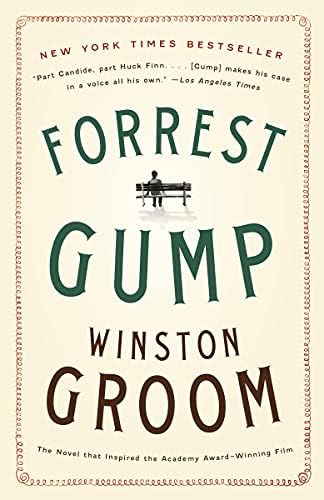
"Bad books and bad plays make great movies" - Roth's philosophy on adaptation, citing Forrest Gump as an example
- 06
Roth is adapting Rendezvous with Rama as a spiritual exploration: "the thing that comes doesn't have to have a reason. It might just be God"
- 07
His current project Here locks the camera in one room for 100 years: "You have the right melancholy for it" - Bob Zemeckis
- 08
"Every movie I wrote except for Munich began and ended with the exact same scene I wrote" - Roth on his structural approach
Get the latest ideas from Tetragrammaton with Rick Rubin.
Plus the best new takeaways about creativity from other top podcasts — read in minutes, not hours.
By continuing, you agree to podbrain's Terms and Privacy Policy.
These notes may contain occasional inaccuracies. Learn how podbrain notes are made
Eric Roth, the Academy Award-winning screenwriter behind Forrest Gump, The Curious Case of Benjamin Button, and A Star Is Born, joins Rick Rubin for an expansive conversation about storytelling, adaptation, and the creative process. At 78, Roth reflects on a career spanning decades of Hollywood's evolution, from his early days in New York's experimental film scene to his current projects adapting works like Rendezvous with Rama and Damnation Spring.
The conversation explores Roth's philosophy on adaptation, his collaborative relationships with directors like Martin Scorsese and David Fincher, and his approach to finding the emotional core of stories. From discussing Bob Dylan's creative breakthrough described in Chronicles to his own experiences with hallucinogens and mystical encounters, Roth reveals how personal experience informs his writing while maintaining the discipline of treating screenwriting as a craft and a job.
The Architecture of Storytelling and Literary Influence
Roth believes all great storytelling comes down to "being able to put one word in front of another" and cites Dennis Johnson, author of Jesus' Son, as one of the great American writers who mastered this craft.
Bob Dylan's creative breakthrough, as described in Chronicles, came from finding a card that said "world's greatest grandpa" in a Louisiana gift shop, which "put together whatever he was struggling with."
"Anything's culturally appropriate in the sense that you can use anybody else's work to, if it encourages you, it creates for you something that you hadn't thought about" - Roth on creative borrowing and inspiration.
Adaptation Philosophy: From Page to Screen
"Bad books and bad plays make great movies" - Roth's counterintuitive philosophy, exemplified by his adaptation of Forrest Gump, which he describes as "farcical" and "silly" in book form but transformed into something with "heart."
When adapting Dune for Denis Villeneuve, Roth struggled with elements like the character "Duncan Idaho," questioning how such names could exist "millions and millions" of years in the future.
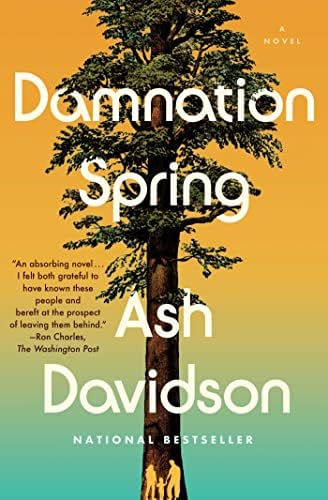
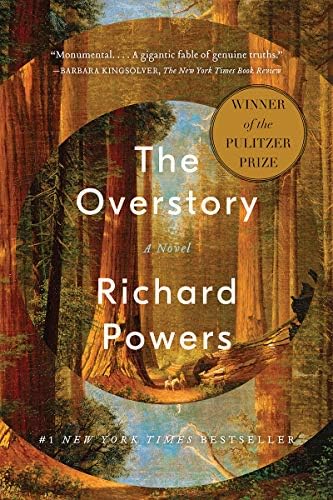
His approach to Damnation Spring reimagines it as "Moby Dick with the redwood trees," focusing on a logger's relationship with the giants he cuts down, inspired by The Overstory's exploration of tree consciousness.
"I always warn the author that it might not seem akin to what you wrote, but it will be" - Roth on the necessary transformation from book to film.
Current Projects: Science Fiction and Spiritual Themes
Roth is adapting Arthur C. Clarke's Rendezvous with Rama, written around the same time as 2001, exploring the idea that "the thing that comes and interrupts these people's world doesn't have to have a reason. It might just be God."
His adaptation of the graphic novel Here for Bob Zemeckis takes place entirely in one room over 100 years with a locked-off camera, exploring mortality and the passage of time.
The project originated when Zemeckis told him "You have the right melancholy for it," recognizing Roth's "sense of mortality" as perfect for the material.
Collaborative Relationships with Directors
With Martin Scorsese on Killers of the Flower Moon, they shifted away from Roth's Western approach to focus on "culpability about people being culpable with this destruction of these people."
David Fincher challenges Roth directly: "He would say to me, he'd read it back to me, he said, this makes no sense. And I said, what do you think? Everything you say makes sense?"
"You have to take a third way. There's your way, there's a director's way, and the director's always going to win" - Roth on the collaborative process.
His adaptation of the British House of Cards with Fincher became a Netflix phenomenon, though Roth expresses "tremendous guilt" about contributing to binge-watching culture.
Technical Innovation and Digital Filmmaking
The digital insertion technique in Forrest Gump, inspired by Woody Allen's Zelig, was "as significant in the long-term success of the movie as anything else about it."
Roth pioneered the radical idea of placing fictional characters in real historical footage: "I could put words in people's mouths they never said. So John Kennedy could have said, I love Hitler."
His upcoming film Here will use advanced de-aging technology where Tom Hanks and Robin Wright "will both be 22 years old" in scenes, raising questions about "the morality of all that."
Writing Process and Creative Discipline
"Every movie I wrote except for Munich began and ended with the exact same scene I wrote" - Roth always knows his beginning and ending before starting.
He reads from page one every day, maintaining context: "I read from page one every day" to understand the flow of information and continue the story naturally.
Roth speaks all dialogue aloud while writing: "I say each of the characters is so bad, it's embarrassing" but finds it essential for testing if the words "feel right."
His writing schedule has compressed from a year per script to "five, six months now" due to wanting to "get more things accomplished with limited time."




These notes may contain occasional inaccuracies. Learn how podbrain notes are made
More in Philosophy
You Need An Ethical Will | Lt. Gen. Mark Hertling
Jun 21, 2026
Hollywood, The CIA & UFOs: The History Beyond Spielberg
Jun 20, 2026
What Our Fathers Teach Us, For Better Or Worse | Tom Junod
Jun 20, 2026
How To Love Your Country Without Lying About It | Ty Seidule
Jun 19, 2026
Recognize These Signs of Weakness | 7 Daily Habits That Will Change Your Life
Jun 15, 2026.svg)