
Daron Malakian - ON METAL (Part 2)
Daron Malakian, guitarist and primary songwriter for System of a Down, takes listeners through a comprehensive journey of extreme metal evolution with host Rick Rubin. Malakian shares his personal experiences touring with Metallica and his deep knowledge of underground metal scenes spanning four decades.

Episode

- 01
System of a Down's Daron Malakian played Master of Puppets with Metallica in front of 60,000 people after James Hetfield was injured, despite never meeting the band before
- 02
Tampa, Florida produced most classic death metal bands including Death, Cannibal Corpse, Deicide, and Morbid Angel in the late 1980s
- 03
Norwegian Black Metal's second wave emerged from Euronymus's record store, where the scene gathered before church burnings and murders shocked the metal world
- 04
Napalm Death and Carcass pioneered grindcore by fusing hardcore punk's speed with metal's technicality, creating blast beats that sound like white noise
- 05
New metal bands like Korn brought heaviness through groove rather than speed, marking a shift from the exhausted thrash and death metal scenes of the mid-90s
- 06
Meshuggah's polyrhythmic approach creates 'seasickness' through complex time signatures while maintaining groove through consistent cymbal patterns
- 07
System of a Down was the only new metal band incorporating vocal harmonies, mixing Beatles influences with extreme metal in an unprecedented way
Get the latest ideas from Tetragrammaton with Rick Rubin.
Plus the best new takeaways from other top podcasts — read in minutes, not hours.
By continuing, you agree to podbrain's Terms and Privacy Policy.
These notes may contain occasional inaccuracies. Learn how podbrain notes are made
Daron Malakian, guitarist and primary songwriter for System of a Down, takes listeners through a comprehensive journey of extreme metal evolution with host Rick Rubin. Malakian shares his personal experiences touring with Metallica and his deep knowledge of underground metal scenes spanning four decades.
The conversation traces metal's progression from late 1960s psychedelic rock through British heavy metal, thrash, death metal, Norwegian Black Metal, industrial fusion, and the new metal movement of the late 1990s. Malakian discusses seminal albums like Seven Churches, Black Metal, and De Mysteriis Dom Sathanas while explaining how each genre built upon and reacted against its predecessors.
Throughout the discussion, Malakian emphasizes the intellectual nature of extreme metal musicians and the constant drive to push boundaries of heaviness, speed, and atmosphere. He concludes by examining how System of a Down carved their unique path within the new metal scene by incorporating unexpected influences like vocal harmonies and pop sensibilities.
The Metallica Stage Crash That Changed Everything
At age 22, Malakian joined Metallica on stage for Master of Puppets in front of 60,000 people after James Hetfield was injured, despite never meeting the band before and System of a Down being unknown opening act.
"I'm wearing a Lakers fucking sweats, I'm wearing like a white tank top and Lakers sweats, and I'm just completely there just watching Metallica" - Daron, describing his casual attire when handed Kirk Hammett's Les Paul.
The impromptu performance included an unplanned transition into Sanitarium that Malakian didn't know was coming, yet "you would think we rehearsed it, but we didn't rehearse it."
Metallica invited Malakian to fly on their private jet and potentially play multiple shows, with plans to teach him Load and Reload material he didn't know.
From Bay Area Thrash to Tampa Death Metal Explosion
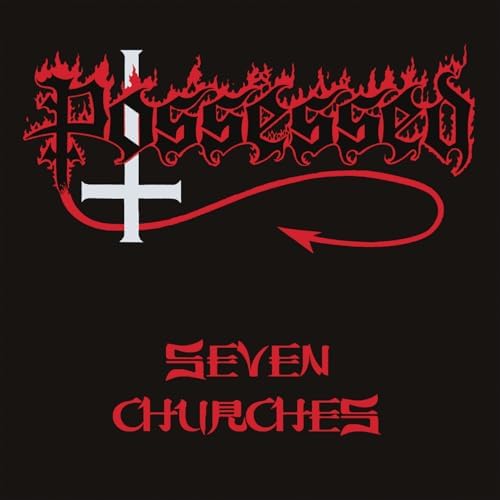
Possessed's Seven Churches album from 1985 is considered by some as death metal before death metal existed, with their song potentially giving the genre its name.
Tampa, Florida became the unexpected epicenter of death metal with bands like Death, Cannibal Corpse, Deicide, and Morbid Angel all emerging from the same scene in the late 1980s.
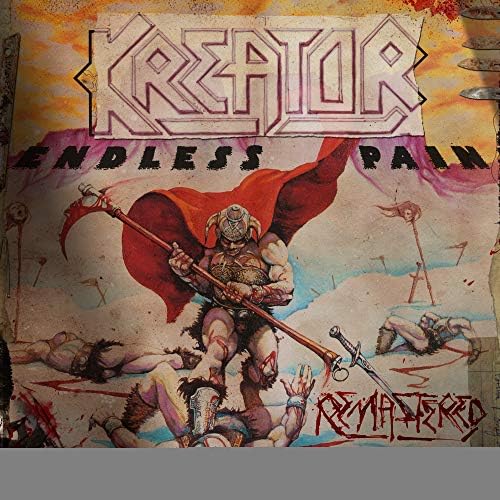
German thrash bands like Kreator pushed vocals to extremes that influenced later Black Metal, with Malakian recalling accidentally buying Endless Pain and discovering vocals "that were like this" for the first time.
Death evolved from traditional death metal to highly technical progressive music, with founder Chuck Schuldiner transforming the band's sound into "fast prog rock" with complex arrangements.
Norwegian Black Metal's Dark Mythology and Musical Innovation
The Norwegian Black Metal scene centered around Euronymus's record store, where musicians gathered before the church burnings and murders that shocked the metal world in the early 1990s.
Mayhem's De Mysteriis Dom Sathanas was released after guitarist Euronymus was murdered by Varg Vikernes from Burzum, who had previously taken photos of their deceased singer Dead's suicide scene.
Darkthrone's Transylvanian Hunger exemplifies Black Metal's atmospheric approach: "It puts you in a trance. In a dark trance. It sounds like we're listening to it through a wall."
The lo-fi production aesthetic was intentional rebellion against polished death metal: "There's this, I don't give a shit what you think about it kind of vibe about it."
"When I listen to metal these days, it's usually Black Metal. I still, I really love the genre" - Daron, explaining his continued appreciation for the atmospheric qualities of Norwegian Black Metal.
Industrial Fusion and the Birth of New Metal
Ministry pioneered industrial metal by adding guitars to drum machines, creating "heavy metal for people who grew up on electronic and dance music."
Nine Inch Nails transcended industrial limitations through superior songwriting, with Malakian noting "his songwriting was so good that it transcended industrial" despite initially disliking the genre.
Korn introduced heaviness through groove rather than speed: "You felt a heaviness from the groove more than you did from the speed" after audiences had "already been through all the speed and all the fucking fastness."
New metal emerged as commercial metal returned to mainstream success through Ozzfest, with System of a Down eventually headlining the festival despite initial industry resistance.
System of a Down's Unique Approach to Heavy Music
System of a Down was the only new metal band incorporating vocal harmonies: "Nobody had vocal harmonies. Not very many that I could think of. No. Only system. Yeah, in heavy metal music."
Malakian intentionally mixed unexpected influences: "Why can't I mix the Beach Boys and the Beatles and all this stuff? Why can't I mix anything with rock or metal?"
Initial industry resistance was severe, with K-Rock stating "No matter what happens, we will never play this band," only to play them "every fucking hour on the hour" one year later.
"I always saw System as a very avant-garde, abstract kind of band. It's interesting that people caught on to it" - Daron, reflecting on the unexpected commercial success of their experimental approach.
Technical Evolution: Math Metal and Polyrhythmic Complexity
Dillinger Escape Plan brought jazz-influenced technical complexity to extreme metal, creating what became known as "prog math metal" in the late 1990s.
Meshuggah achieved unprecedented heaviness through polyrhythmic complexity, with Malakian describing their sound as "seasickness" when asked by the band to characterize their new album.
"Every riff is on a different time signature... It's so groovy that you don't lose it... That cymbal keeps it straightforward, but there's all this shit happening in between that cymbal" - Daron, explaining Meshuggah's rhythmic innovation.
The Swedish band's approach allows headbanging despite complex time signatures: "You can bob your head to it. It's that cymbal that you're bobbing your head to."



These notes may contain occasional inaccuracies. Learn how podbrain notes are made
More in Philosophy
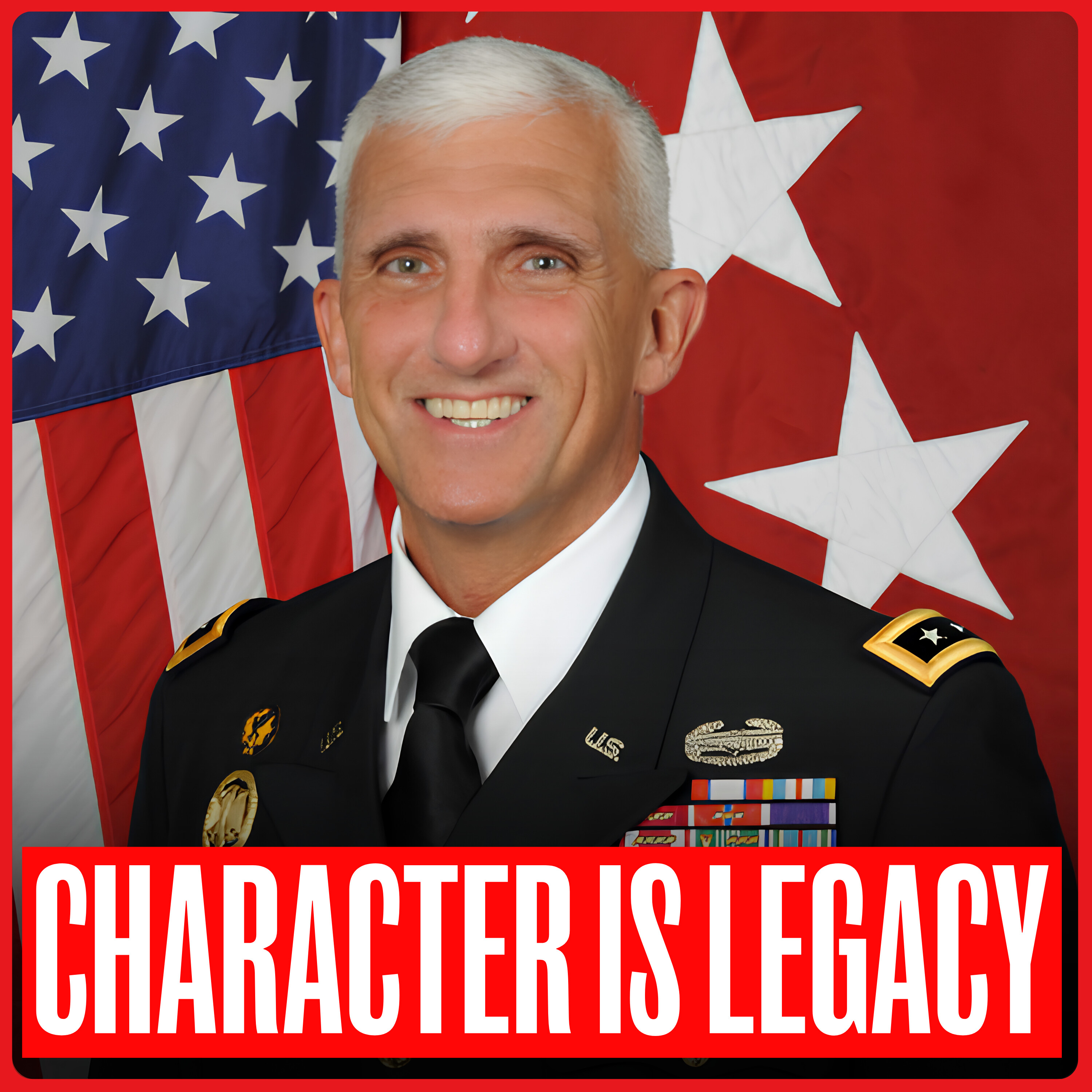
You Need An Ethical Will | Lt. Gen. Mark Hertling
Jun 21, 2026
Hollywood, The CIA & UFOs: The History Beyond Spielberg
Jun 20, 2026
What Our Fathers Teach Us, For Better Or Worse | Tom Junod
Jun 20, 2026
How To Love Your Country Without Lying About It | Ty Seidule
Jun 19, 2026
Recognize These Signs of Weakness | 7 Daily Habits That Will Change Your Life
Jun 15, 2026.svg)