
Clown of Slipknot
Shawn Crahan, known as Clown and #6 in Slipknot, reflects on the band's 25-year journey from Des Moines basement rehearsals to global metal phenomenon. As the band's founding member and artistic visionary, Crahan discusses the origins of their nine-member lineup, mask concept, and the tragic losses of bassist Paul...

Episode

- 01
Slipknot started with three drummers in a triangle formation - 'I had a vision of three drummers' - Shawn Crahan
- 02
The band's breakthrough song 'Spit It Out' was recorded in Des Moines and could never be recreated at Indigo Ranch
- 03
Paul Gray predicted Crahan would 'change the face of metal the way it looks' before the band achieved success
- 04
Slipknot's first show drew 150 people at Safari bar, leading to Corey Taylor joining after seeing their performance
- 05
The Iowa album cover features a mirror so parents checking the record become 'part of it' - Crahan's artistic statement
- 06
Crahan learned drumming fundamentals from Modern Drummer by Carmine Appice, including 'boot, bat, boots, bat' patterns
- 07
The band uses numbers instead of names to create gang mentality - 'It's not about Sean or Paul, I'm just number six'
- 08
Slipknot audiences are 'the best people in the world' who need music more than confrontation - zero arrests at Iowa State Fair
Get the latest ideas from Tetragrammaton with Rick Rubin.
Plus the best new takeaways about creativity from other top podcasts — read in minutes, not hours.
By continuing, you agree to podbrain's Terms and Privacy Policy.
These notes may contain occasional inaccuracies. Learn how podbrain notes are made
Shawn Crahan, known as Clown and #6 in Slipknot, reflects on the band's 25-year journey from Des Moines basement rehearsals to global metal phenomenon. As the band's founding member and artistic visionary, Crahan discusses the origins of their nine-member lineup, mask concept, and the tragic losses of bassist Paul Gray and drummer Joey Jordison.
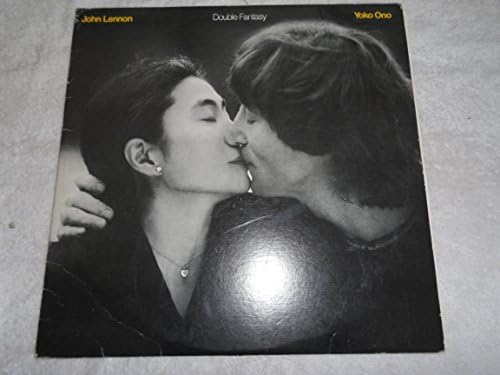
The conversation explores Crahan's early musical education through Modern Drummer by Carmine Appice and his connection to John Lennon via the Double Fantasy recording board. He details the band's formation around his three-drummer concept, their breakthrough with 'Spit It Out,' and how Corey Taylor joined after witnessing their first performance.
Beyond Slipknot, Crahan discusses his multimedia art projects including AI-enhanced paintings and his Minecraft world 'Vernearth,' created as a tribute to his late mother's science fiction writing. He candidly addresses the physical toll of decades of extreme performance and his complex relationship with the band's overwhelming success.
The Genesis of Slipknot's Three-Drummer Vision
Crahan conceived Slipknot around a triangle of three drummers when he felt creatively stuck: 'I had lost my ability to learn for a moment on drum set. I was repeating myself.'
Using his welding skills, he built custom standing drums and scavenged materials from junkyards to create unique percussion setups for the original lineup.
The band's learning foundation came from Modern Drummer by Carmine Appice: 'He'll be like, all right, number 33 and a one and a two, one, two, and then it's like straight Zeppelin.'
Joey Jordison's audition was transformative - after hearing songs once, 'he just heard it once. I was the drummer disregarded, taken to a level of insanity one time through from beginning to end.'
From Safari Bar to Record Deal: The Early Shows
Their first show at Safari bar near Drake University drew about 150 people, with Crahan personally cleaning the venue beforehand to create the right atmosphere.
Corey Taylor attended that first show and immediately asked them to open for Stone Sour the next night: 'bro, that just changed my life. We're playing tomorrow.'
The band's early performances were deliberately confrontational: 'We are scary because we have no rules. We have no care of the outcome. We have no money. We have no fame. We only have each other.'
Their breakthrough song 'Spit It Out' was recorded in a Des Moines basement and could never be recreated despite expensive studio attempts at Indigo Ranch.
The Numbered Identity System and Gang Mentality
The numbering system emerged from wanting gang-like unity: 'It's not about Sean or Paul. It's just like... I'm here to talk about Slipknot, and this is one way to get to it, but I'm just number six.'
Crahan chose six based on numerology: 'Six is the sun and nine is the moon. I just always knew six was nine upside down. Everything happens at six.'
Sid Wilson's choice of zero completed the concept perfectly: 'when he took it, it was like pages were written in a Bible. It was like, of course, you are.'
The system creates nine people numbered zero through eight, representing both unity and individual identity within the collective.
Artistic Vision Beyond Music: Mirrors and Multimedia
The Iowa album package features a mirror inside: 'you open it up, boom, there's a mirror. And you're part of it. And I got you.'
Crahan's current art combines AI, traditional painting, photography, and finger painting: 'I start there, I do a big print, and then I get a stencil of it, and then I spray paint over it, just slowly destroying it.'
His Minecraft world 'Vernearth' serves as a tribute to his late mother's science fiction writing and a platform for mental health awareness.
The connection to John Lennon runs deep, enhanced by working with the Double Fantasy recording board: 'Lennon's my sort of superhero. He'd be who I probably would have hung out with if he would have had me.'
Loss, Legacy, and the Weight of Success
Paul Gray's death fundamentally changed the band's trajectory: 'Paul would want you to go on. And I wouldn't say much. And then finally, I had enough. Did anyone think that maybe I might not want to go on without my friend?'
The band toured for two years without recording, grieving publicly: 'we went on tour and did the grieving with our fans. We probably toured a couple years independently of an album.'
Slipknot's scale has become overwhelming: 'It's so big, bro. It's fucking like Van Halen VH. You hear one bar of tone on the radio. You're like, could it be?'
Despite success, Crahan faces serious health issues from decades of extreme performance, including a skipping heart requiring surgery and chronic pain from injuries.
The Maggots: Understanding Slipknot's Audience
Crahan designed Slipknot for outcasts: 'I wanted to make music for the people that absolutely needed it if they were put in a situation they didn't care for.'
At Iowa State Fair, Slipknot fans caused zero incidents while a country show the next night had arrests and fights: 'not one arrest, not one fight, not one death.'
The audience's dedication stems from authenticity: 'people know that we don't do anything for anybody but ourselves, and they trust that.'
Mainstream acceptance has grown with celebrities like Rihanna and Lady Gaga wearing Slipknot patches: 'we're starting to be pop culture now.'


These notes may contain occasional inaccuracies. Learn how podbrain notes are made
More in Philosophy
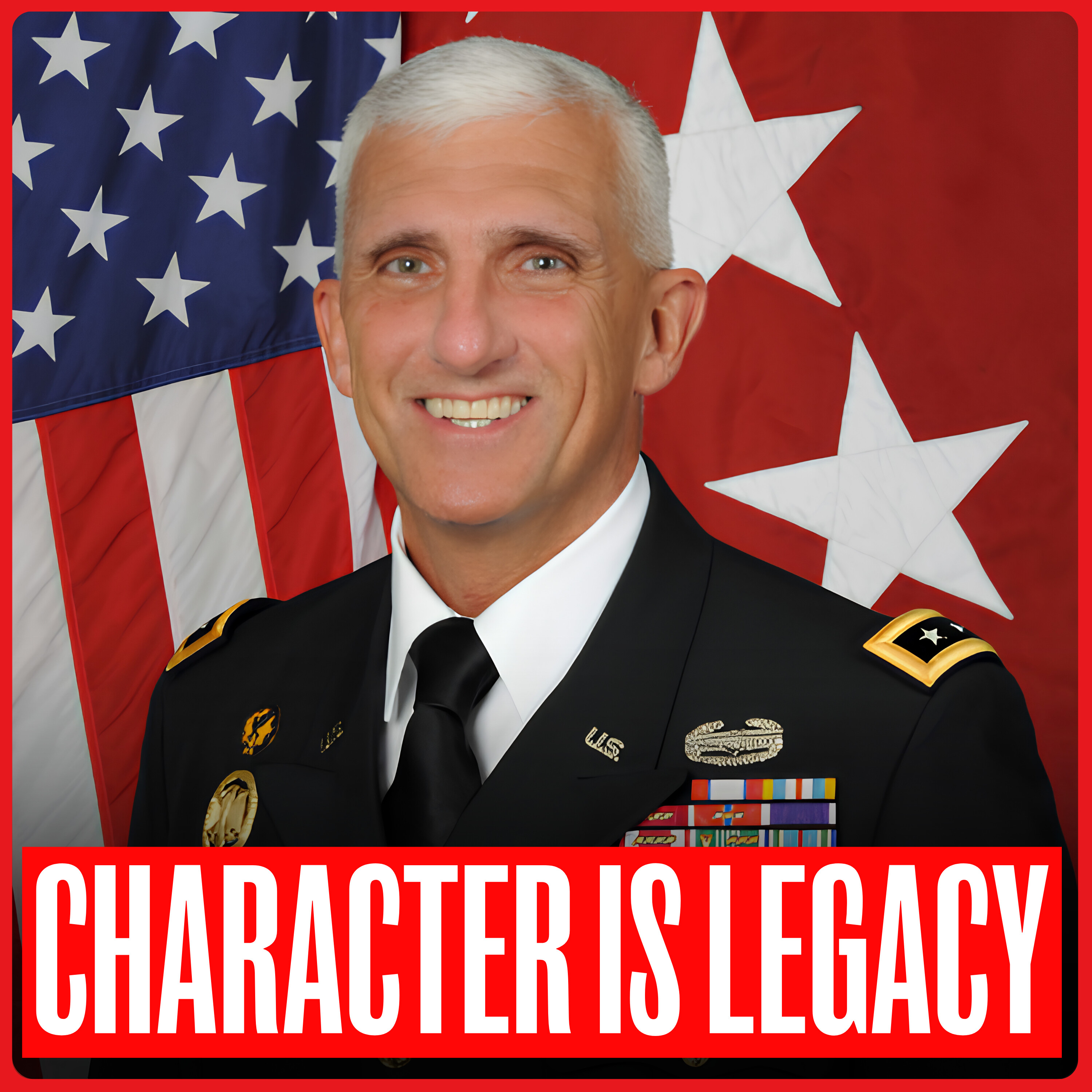
You Need An Ethical Will | Lt. Gen. Mark Hertling
Jun 21, 2026
Hollywood, The CIA & UFOs: The History Beyond Spielberg
Jun 20, 2026
What Our Fathers Teach Us, For Better Or Worse | Tom Junod
Jun 20, 2026
How To Love Your Country Without Lying About It | Ty Seidule
Jun 19, 2026
Recognize These Signs of Weakness | 7 Daily Habits That Will Change Your Life
Jun 15, 2026.svg)