
Men and the Myth of Martyrdom | FRIDAY FIELD NOTES
Ryan Michler, founder of Order of Man, explores the psychological trap of male martyrdom through personal experience and philosophical frameworks. Drawing from his childhood as 'the responsible one' who learned to carry family weight, Michler examines how men confuse suffering with virtue.


- 01
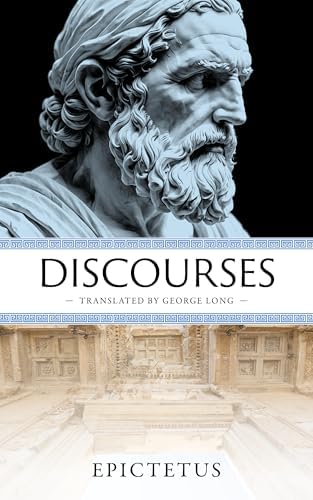
"Seek not the things which happen, should happen as you wish, but wish the things which happen to be as they are" - Epictetus on conscious choice versus martyrdom
- 02
Jean-Paul Sartre's concept of 'bad faith' describes how people deny freedom by pretending they have no choice, reducing themselves to fixed roles
- 03
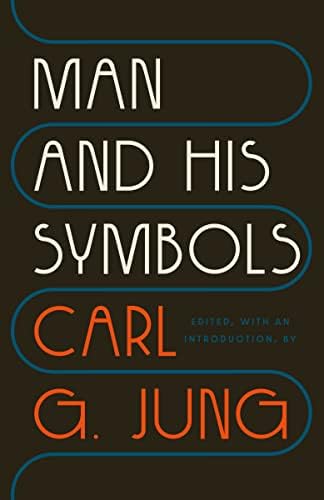
Carl Jung's persona formation theory explains how childhood survival strategies become performative identities that mask our authentic selves
- 04
Marcus Aurelius distinguished between performing virtue for an audience versus quietly acting in accordance with what is right and good
- 05
The martyr keeps an internal ledger of sacrifices and expects acknowledgment, poisoning relationships with conditional love and hidden resentment
- 06
"There's no virtue in endurance for its own sake" - Epictetus on the difference between meaningful sacrifice and suffering for suffering's sake
- 07
Ownership of choices is the beginning of sovereignty - stop saying 'I had no choice' when you made a reasonable but uncomfortable decision
- 08
A man who knows who he is doesn't need to suffer to prove it - identity shouldn't require burden to sustain itself
Get the latest ideas from Order of Man.
Plus the best new takeaways from other top podcasts — read in minutes, not hours.
By continuing, you agree to Podbrain's Terms and Privacy Policy.
These notes may contain occasional inaccuracies. Learn how Podbrain notes are made
Ryan Michler, founder of Order of Man, explores the psychological trap of male martyrdom through personal experience and philosophical frameworks. Drawing from his childhood as 'the responsible one' who learned to carry family weight, Michler examines how men confuse suffering with virtue.
The conversation weaves together insights from Jean-Paul Sartre's concept of 'bad faith' from Being and Nothingness, Carl Jung's persona theory from Man and His Symbols, and Stoic wisdom from Marcus Aurelius's Meditations and Epictetus's Discourses. Michler distinguishes between sacrificing 'for something' (purpose-driven) versus 'as something' (identity-dependent performance).
The discussion reveals how childhood survival strategies evolve into adult martyrdom patterns - keeping internal ledgers, refusing help, and using language that removes personal agency. Michler provides practical steps for reclaiming sovereignty and building identity that doesn't require suffering to sustain itself.
The Philosophical Roots of Male Martyrdom
Jean-Paul Sartre's 'bad faith' from Being and Nothingness describes how people deny their freedom by pretending they have no choice, reducing themselves to fixed roles like 'the responsible one.'
Carl Jung's persona formation theory from Man and His Symbols explains how childhood survival strategies become performative identities that eventually mask our authentic selves.
Stoic philosophers Marcus Aurelius and Epictetus distinguished between virtuous action and mere endurance - "there's no virtue in endurance for its own sake" unless aligned with moral good.
Marcus Aurelius wrote in Meditations: "Waste no more time arguing about what a good man should be. Be one" - emphasizing authentic virtue over performative goodness.
The Martyr's Behavioral Patterns
The martyr keeps an unspoken internal ledger, meticulously accounting for everything given, done, endured, and sacrificed - eventually surfacing as resentment.
Refusing help becomes a threat to identity because "if somebody else has to carry my weight, even for a day, the question surfaces: who am I?"
Resentment disguised as dedication creates giving with expectations rather than free service - waiting for acknowledgment that never comes or isn't enough.
Language patterns remove agency through phrases like 'I had no choice,' 'What was I supposed to do?' - what Sartre called bad faith in action.
The Cost of Martyrdom on Relationships and Mission
"Nobody loves a martyr cleanly" - partners feel the conditional nature of sacrifice and the underlying resentment, leading to feeling like a duty rather than chosen.
Martyrdom mimics purpose but asks 'Is anyone watching me?' instead of 'What am I trying to build?' - turning mission into performance.
Children learn not just what you do but why you do it, watching whether sacrifice comes from choice or obligation - "You're writing the first chapter of their story."
The man underneath the responsible persona - with desires, curiosity, and authentic wants - slowly disappears until you lose contact with who you actually wanted to be.
Reclaiming Sovereignty and Conscious Choice
Name the performance honestly by asking "Am I giving this freely or am I keeping score?" - following Marcus Aurelius's practice of daily self-examination in Meditations.
"Every time you say 'I had no choice,' stop it. Knock it off" - usually you made a reasonable choice but frame it as obligation to avoid owning the decision.
Shadow work involves getting acquainted with "the boy who learned that being needed was the price of being loved" - asking what you had to give up to become who you are.
Move from compulsive to conscious sacrifice by asking "Am I choosing this because it serves something that matters to me?" rather than "I have to, there's no other choice."
Build identity that doesn't require suffering to sustain itself - knowing who you are when things are good, when there's margin, when there are no fires to put out.


These notes may contain occasional inaccuracies. Learn how Podbrain notes are made
More in Self-Development

#871: The “Divine Leaf” with 8,000+ Years of Use — Exploring the Many Benefits of Coca with Dr. Andrew Weil and Wade Davis
Jun 25, 2026
Gary's Economics Can't Answer This One Question About Wealth Taxes | Tom Reacts
Jun 25, 2026
Why You Don’t Feel Loved (even when you are) - Sonja Lyubomirsky - #1115
Jun 25, 2026
A User’s Guide To Kava: The Most UNDERRATED Plant Medicine w/ Cameron George #537
Jun 24, 2026
What Society Values in Men, Where Does a Man Start, and Why Humility Makes or Breaks Us | ASK ME ANYTHING
Jun 24, 2026
.svg)