
Arthur Brooks on Reinvention, Religion, and the Science of Happiness
Tyler Cowen opens by announcing his new book The Marginal Revolution, Rise and Decline and the Pending AI Revolution, which includes a final chapter on how AI will transform science and society. The...

Episode


- 01
Happiness consists of three macronutrients: enjoyment, satisfaction, and meaning - with meaning requiring suffering to develop fully
- 02
About 50% of happiness is genetic, 25% circumstantial, and 25% habits - making habits the most controllable factor
- 03
The happiest people focus on four areas: faith/life philosophy, strong family relationships, close friendships, and meaningful productive work
- 04
AI excels at left-brain 'how' and 'what' questions but cannot address right-brain 'why' questions that drive meaning
- 05
Brooks predicts we'll see post-industrial benefits from AI within 20 years, similar to how the Industrial Revolution eventually created the middle class
- 06
Religious people give significantly more to charity than secular people, regardless of political affiliation - the key variable is religious activity, not conservatism
- 07
Classical music will survive AI because live human performance creates irreplaceable creative experiences for its dedicated 2% audience
- 08
Teaching ability peaks after age 60 due to crystallized intelligence - better pattern recognition and vocabulary that comes with age
Get the latest ideas from Conversations with Tyler.
Plus the best new takeaways from other top podcasts — read in minutes, not hours.
By continuing, you agree to podbrain's Terms and Privacy Policy.
These notes may contain occasional inaccuracies. Learn how podbrain notes are made
Tyler Cowen opens by announcing his new book The Marginal Revolution, Rise and Decline and the Pending AI Revolution, which includes a final chapter on how AI will transform science and society. The book is available online for free and integrated with Claude AI for interactive reading.
Arthur C. Brooks joins as guest, bringing his unique spiral career trajectory - professional French horn player, economist, former president of the American Enterprise Institute, and now Harvard Kennedy School professor. His latest work The Meaning of Life, Finding Purpose in an Age of Emptiness explores happiness and meaning through scientific and philosophical lenses.
The conversation covers Brooks' framework for happiness, the role of genetics versus habits in well-being, how AI will impact politics and meaning, religious faith's influence on generosity, and Brooks' personal journey from classical music to economics to happiness research.
The Science of Happiness: Three Essential Components
Brooks defines happiness as three macronutrients: enjoyment, satisfaction, and meaning, comparing it to how protein, carbohydrates, and fat comprise nutrition.
"Happiness requires a lot of unhappiness" - Brooks argues that meaning, the longest-lasting component, requires suffering and introspection to develop fully.
Twin studies show 50% of happiness is genetic, 25% circumstantial, and 25% habits - making habits the most controllable factor despite being smallest.
"If you understand your genetic tendency, you can tailor your habits" - Brooks compares managing happiness genetics to avoiding alcoholism through not drinking.
Death Awareness and Scarcity as Happiness Drivers
Brooks believes his family's early death pattern (father died at 66) creates beneficial scarcity that enhances savoring and work satisfaction.
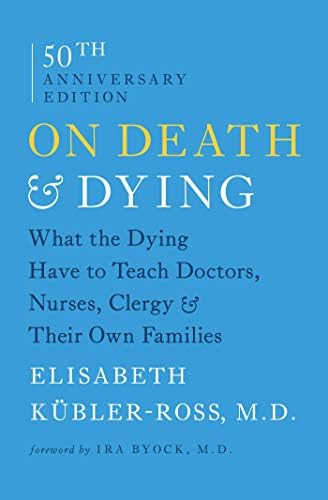
Research from On Death and Dying by Elizabeth Kübler-Ross shows people reach acceptance faster than expected and become happier during acceptance than before diagnosis.
"People get to acceptance pretty fast, and they're happier during the acceptance phase than they were before they were told they were going to die" - Brooks.
Brooks advocates for 5-20 years advance notice of death rather than 3 months, believing longer awareness creates more meaningful living.
The Four Pillars of Happy People's Daily Habits
The happiest people consistently focus on four areas: faith or life philosophy, strong family relationships, close friendships, and meaningful productive work.
Faith involves thinking deeply about 'why' questions and standing in awe of something bigger than themselves, preventing narcissistic self-focus.
Real friendships matter more than deal-based relationships, and avoiding isolation and excessive internet use is crucial for well-being.
Productive work means "earning your success through merit and hard work and serving other people" - applicable to CEOs, postmen, and plumbers alike.
AI's Impact on Politics and Human Meaning
Brooks sees AI as a "magnificent extension of the left hemisphere" that handles 'how' and 'what' questions but cannot address meaningful 'why' questions.
Modern society has been "kicking everybody into the left hemisphere" through screens and Silicon Valley culture, eliminating mystery and meaning from life.
AI should free up time for right-brain activities like "love and faith and relationships and beauty and suffering" to improve life quality.
Brooks predicts within 20 years we'll see "post-industrial equivalent" benefits from AI similar to how the Industrial Revolution eventually created the middle class and weekends.
Religion, Politics, and Generosity Research
Brooks' 2007 book Who Really Cares? found conservatives give more to charity, but the real driver is religious activity, not political ideology.
"When you run a regression analysis... the big coefficient that really matters and highly significant is religion, is religious activity" - Brooks.
As conservatives become more secular, the giving gap between political groups is disappearing, confirming religion as the key variable.
Brooks chooses Catholicism over Orthodox Christianity for practical reasons: "The Catholic Church is kind of like Starbucks. It's ubiquitous and has a uniform high-quality product."
Career Spirals and the Future of Classical Music
Brooks follows Michael Driver's "spiral career" theory - changing careers every 7-12 years as "a series of mini careers" driven by learning new things.
His transition from French horn to economics happened through pure serendipity when his wife's calculus studies led him to correspondence courses.
"Economics gave me almost like a crystal ball into how the world works" - Brooks describes his transformation after taking his first economics course.
Classical music will survive AI because "it's best enjoyed by most people when it's performed by human individuals in the realm of actual creativity."
Brooks opposes federal arts subsidies despite his musical background, influenced by Tyler Cowen's cultural economics work and free market principles.
Language, Teaching, and Aging Advantages
Brooks lectures in Spanish and Catalan, crediting foreign language study with improving crystallized intelligence and pattern recognition abilities.
Research shows "people became happier and they had richer lives and they actually were better able to learn foreign languages after 50."
"The best teachers are over 40, ideally over 60, and many even over 70" due to superior ability to synthesize information and recognize patterns.
Brooks is considering a next spiral focused on leisure as defined by Josef Pieper in Leisure The Basis of Culture - productive activity pursued for spiritual rather than worldly rewards.




These notes may contain occasional inaccuracies. Learn how podbrain notes are made
More in Philosophy
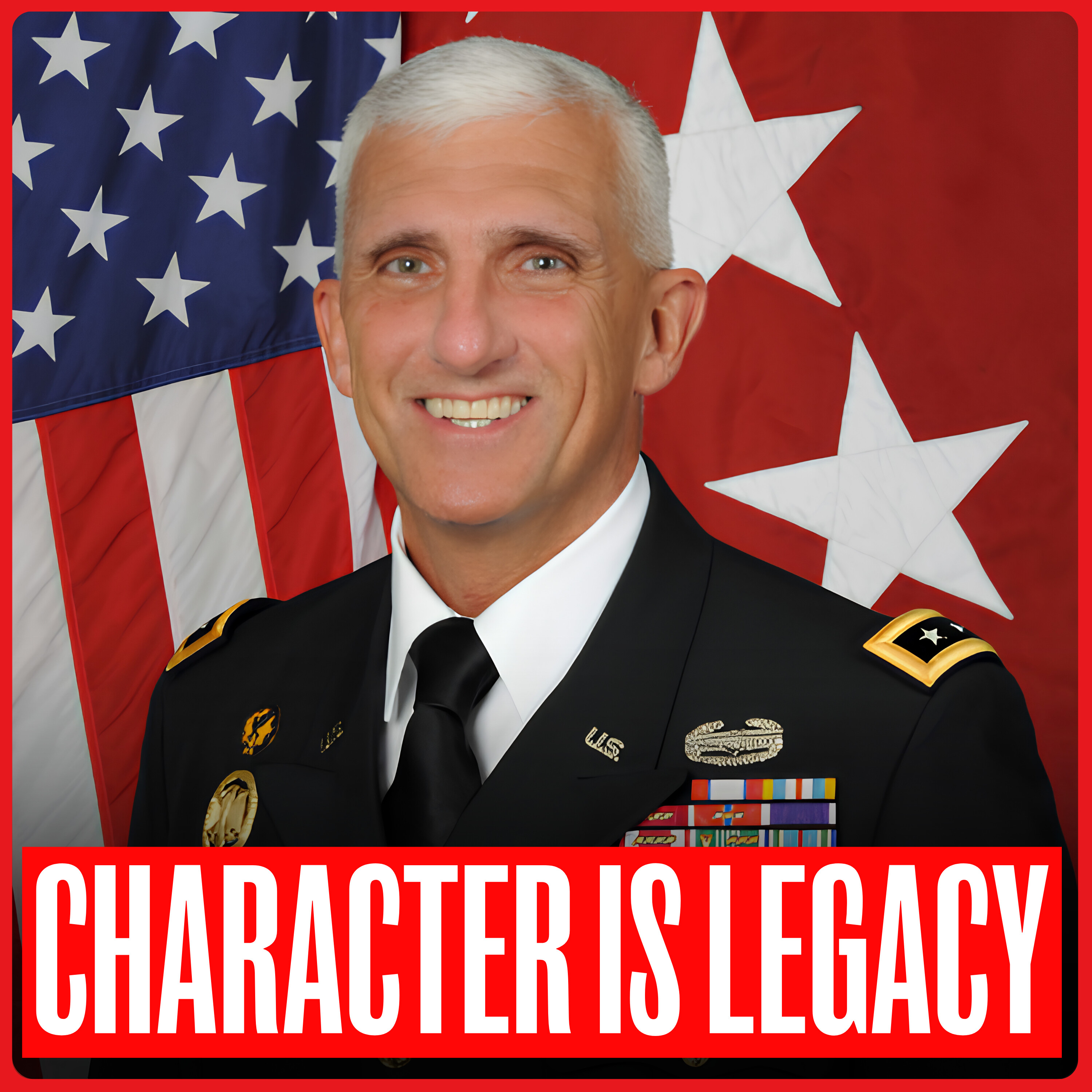
You Need An Ethical Will | Lt. Gen. Mark Hertling
Jun 21, 2026
Hollywood, The CIA & UFOs: The History Beyond Spielberg
Jun 20, 2026
What Our Fathers Teach Us, For Better Or Worse | Tom Junod
Jun 20, 2026
How To Love Your Country Without Lying About It | Ty Seidule
Jun 19, 2026
Recognize These Signs of Weakness | 7 Daily Habits That Will Change Your Life
Jun 15, 2026.svg)