
Morgan Housel - Mastering the Art of Spending Money
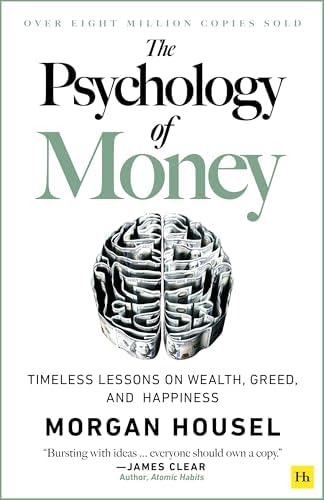
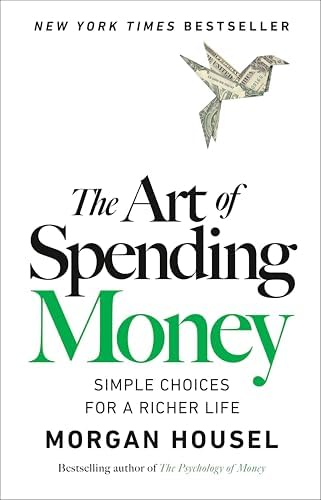
Morgan Housel, author of the global bestseller The Psychology of Money, returns to discuss his latest work The Art of Spending Money and insights from Same as Ever. As a...

Episode


- 01
"The more you are snubbed while poor, the more you enjoy displaying being rich" - 1929 Washington Post headline perfectly captures retributive materialism
- 02
Wealth without independence is a unique form of poverty - many billionaires spend their days doing things they don't want to do
- 03
Money serves you best when it stops being the thing you think about, allowing focus on meaningful problems and relationships
- 04
35-40% of US adults can't cover a $400 emergency without borrowing, yet rising home prices create illusion of wealth without actual gain
- 05
The Vanderbilt family lost $300-500 billion (inflation-adjusted) in three generations through generational spending competitions and lifestyle inflation
- 06
Give your kids their inheritance at 30 when they need it for houses and families, not at death when they no longer need money
- 07
America's housing crisis stems from zoning laws that make it illegal to build homes where people want to live
- 08
Financial success means independence to be who you want to be, not achieving the highest net worth through work you hate
Get the latest ideas from Chris Williamson.
Plus the best new takeaways about wealth building from other top podcasts — read in minutes, not hours.
By continuing, you agree to podbrain's Terms and Privacy Policy.
These notes may contain occasional inaccuracies. Learn how podbrain notes are made
Morgan Housel, author of the global bestseller The Psychology of Money, returns to discuss his latest work The Art of Spending Money and insights from Same as Ever. As a former Motley Fool writer turned behavioral finance expert, Housel brings unique outsider perspective to money psychology and human behavior patterns.
The conversation explores the deep psychology behind spending decisions, from retributive materialism to the Vanderbilt family's spectacular wealth destruction. Housel examines why wealthy people often lack independence, how housing costs devastate young generations, and the counterintuitive wisdom found in books like Die with Zero about timing inheritance.
Topics range from the relativity of wealth and social media's impact on expectations to practical advice on finding financial independence. The discussion weaves through historical examples, evolutionary psychology insights from works like The Evolution of Desire, and the surprising parallels between fiction recommendations and investment philosophy.
The Psychology Behind Peacocking and Retributive Materialism
A 1929 Washington Post headline captured the essence of wealth display: "The more you are snubbed while poor, the more you enjoy displaying being rich" - showing off often stems from past wounds and the desire to prove you've overcome your origins.
Anthony Scaramucci explained his Lamborghini purchase wasn't for others but to prove to himself that "that kid who grew up down there made it up here" - signaling can be internal validation rather than external peacocking.
Spending patterns reveal core psychology: people who beautify themselves likely felt ugly, those accumulating power felt powerless, and wealth accumulators probably experienced poverty or lack of freedom.
Why Wealth Without Independence Is Poverty
Financial success means "independence to be who you want to be" rather than achieving the highest net worth through work you despise - many billionaires spend their days doing things they don't want to do.
David Senra profiled 400 entrepreneurs and found only two whose lives he'd actually want to live, with Ed Thorpe being the prime example of someone who achieved both wealth and genuine life satisfaction.
The formula for a good life is "independence plus purpose" - you need both the freedom to be yourself and meaningful problems to solve that are bigger than yourself.
The Vanderbilt Curse and Generational Wealth Destruction
The Vanderbilt family lost an estimated $300-500 billion (inflation-adjusted) within three generations through a "generational pissing contest to see who could spend it the fastest" on massive mansions they didn't want to live in.
Inherited wealth often becomes a prison - Vanderbilt heirs had no independence over their lives as "the money told them who they could be, where they could live, who they could marry, who they could socialize with."
Anderson Cooper became "the first Vanderbilt heir in 150 years who was allowed to be himself" because he didn't inherit money and didn't carry the Vanderbilt name, freeing him from the family's wealth burden.
The Housing Crisis as America's Biggest Social Problem
America is approximately 5 million houses short of demand, but "it's illegal to build them" in most cities where people want to live due to zoning restrictions that can take 3-5 years to navigate.
Rising home prices create a wealth illusion - if your house doubles in value, "you didn't make anything because if you sold that house for 600 grand, you have to buy another house that is also inflated in value."
Housing unaffordability drives multiple social problems: people delay marriage and children, experience poor mental health, and homelessness often leads to drug addiction as people seek "a little bit of hope in their life."
Rethinking Inheritance Timing and Parental Money Mistakes
Die with Zero advocates giving children their inheritance at 30 when they need it for houses and families, rather than at death when "your kids don't need your money" but "desperately need it when they're 30."
Well-meaning wealthy parents often create unintended humiliation by making kids "earn it themselves" - children hear "I'm not worthy of their help" rather than lessons about hard work and dedication.
The goal should be creating kids who "appear spoiled by your generation's terms" because each generation should live better than the previous - "your dad is the only man in the world who wants you to do better than him."
Social Media's Impact on Wealth Expectations and Comparison
Social media replaced MTV Cribs by showing "people who ostensibly should be peers" living better lives, creating unrealistic expectations since "most people expect what is effectively a top 1% outcome."
The comparison problem is compounded by trajectory pressure - you must be better than both the people around you and "you yesterday," creating an impossible treadmill that only gets faster.
Jimmy Carr's insight that "trajectory is more important than position" explains why the 100th best skier moving up feels better than the 2nd best skier - "what people really like is not even being rich, it's the process of becoming rich."
The Art of Spending Money and Finding Your Thing
The worst way to spend money is "anchoring all your expectations to chasing the admiration of people who aren't paying attention" - the most valuable financial asset is "not needing to impress strangers."
Travel's real value isn't the destination but creating space to "detach from the rest of your life" - you often need to go somewhere else to have "totally uninterrupted time with your spouse or kids."
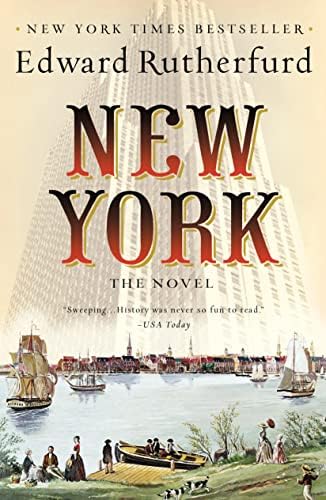
Everyone has different spending preferences that bring joy - "you have to experiment with a lot of different kinds of spending to actually figure out what's going to be right for you," whether it's wine, books, or historical fiction like New York by Edward Rutherford.




These notes may contain occasional inaccuracies. Learn how podbrain notes are made
More in Self-Development

Can the Middle Class Be Saved? Political Division, Economic Doom & The Leadership Problem | Andrew Bustamante Pt. 2
Jun 20, 2026
The Career Trap That Makes Women Miserable - Suzanne Venker - #1113
Jun 20, 2026
How Immigration and War Test the Strength of Values and National Identity
Jun 19, 2026
7 Strategies for Becoming a Better Father | FRIDAY FIELD NOTES
Jun 19, 2026
ELECTROMAGNETISM Is The SECRET To Health: Biofield Tuning Explained | Eileen McKusick
Jun 15, 2026

.svg)