
"Trump Bombing Iran Just Increased Nuclear War Threat" The Terrifying Reality Andrew Bustamante Pt 2 | Impact Theory W Tom Bilyeu
Former CIA operative Andrew Bustamante returns to analyze the rapidly evolving Middle East crisis, bringing his intelligence background to decode the fog of war surrounding recent operations in Iran and Venezuela.

Episode


- 01
Iran's true division remains unknowable to English speakers - protests can be real without representing 80% of the population
- 02
Israel's human intelligence network in Iran is unmatched, while US provides superior technical surveillance capabilities
- 03
The targeting pattern suggests economic motives: leadership decapitation, naval assets, but notably avoiding oil infrastructure
- 04
China buys 90% of Iran's oil exports, making Iran essentially a gas station for China's energy needs
- 05
Trump has only until midterms to deliver economic growth or face becoming a lame duck president
- 06
The White House website still claims Iran's nuclear capability was 'fully obliterated' in June 2025
- 07
Every empire with a central bank has collapsed from debt and deficit spending - the math always takes over
- 08
Europe will sacrifice capitalist efficiency to preserve democratic bureaucracy, unlike America's approach
Get the latest ideas from Tom Bilyeu.
Plus the best new takeaways from other top podcasts — read in minutes, not hours.
By continuing, you agree to podbrain's Terms and Privacy Policy.
These notes may contain occasional inaccuracies. Learn how podbrain notes are made
Former CIA operative Andrew Bustamante returns to analyze the rapidly evolving Middle East crisis, bringing his intelligence background to decode the fog of war surrounding recent operations in Iran and Venezuela.
The conversation explores the economic underpinnings of current geopolitical moves, examining Trump's strategy to secure Middle Eastern investment commitments while disrupting China's energy supply chains. Bustamante breaks down the intelligence capabilities behind recent operations and questions the official nuclear weapons narrative.
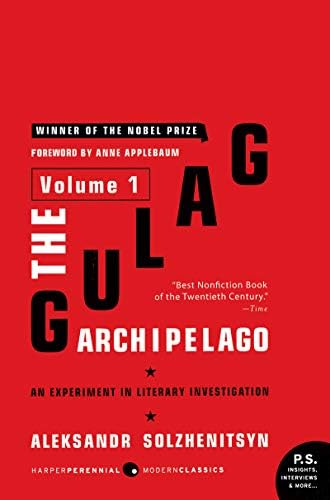
Drawing from The Machiavellians Defenders of Freedom and The Gulag Archipelago, the discussion examines how institutions maintain control through narrative management and the historical patterns of empire collapse through monetary debasement.
Iran's Unknowable Internal Division
Nobody who speaks English and not Farsi has any real understanding of Iran's internal divisions, making all external assessments unreliable.
"The person today who loves the fact that Khomeini was killed when their water doesn't work in three days, they may not love the fact that Khomeini was killed" - Andrew
Every day the conflict continues, outcomes become less predictable as daily conditions can shift loyalties instantly.
Intelligence Operations Behind the Strikes
Israel possesses the most expansive human intelligence network in Iran, while the US provides superior technical surveillance capabilities through satellites and signals intelligence.
The pager operation required years of advance planning to infiltrate supply chains and position tracking devices in infrastructure like tractors that become "hijackable cell towers."
Venezuela operations took about six months of planning, while successfully targeting Iran required years to build intelligence networks and wait for the right moment.
Economic Motives Behind Military Action
China purchases 90% of Iran's oil exports, making Iran essentially a gas station for China's energy needs and a key target for economic pressure.
The targeting pattern reveals economic priorities: leadership decapitation and naval assets to protect the Strait of Hormuz, but notably avoiding oil infrastructure.
Trump has $2 trillion in Middle Eastern investment promises but only $780-790 billion guaranteed, requiring regional stability to secure the remainder.
"If Iran were to close [the Strait of Hormuz] for a meaningful period of time, basically a global recession is guaranteed" - Tom
The Nuclear Weapons Narrative Problem
The White House website still claims Iran's nuclear capability was "fully obliterated" in June 2025, contradicting current justifications for military action.
"We don't even have [an intelligence assessment] this time. We just have the word of a president on Air Force One saying that the nuclear program was obliterated" - Andrew
The availability heuristic makes people believe repeated claims about nuclear weapons even when contradicted by documented evidence.
Information Warfare and Institutional Trust
AI-generated content and video game footage regularly circulate as real war footage, creating unprecedented challenges for information verification.
As described in The Machiavellians Defenders of Freedom, society struggles without shared narratives, yet returning to controlled information is the "only bad strategy."
People have always known individuals lie and cheat, but the breakdown of institutional credibility creates cognitive dissonance about democratic ideals.
America's Capitalist-Democratic Contradiction
"We are a capitalist country that follows democratic rule as long as it doesn't compromise our capitalist goals" - Andrew
Europe chooses democracy over capitalism when forced to pick, while America consistently prioritizes capitalist advantages over democratic principles.
The American story from Columbus through the Mexican-American War demonstrates a consistent pattern of taking resources through force when beneficial.
Drawing from The Gulag Archipelago, understanding humanity's true nature requires confronting what humans actually do under pressure, not idealized versions.
The Central Banking Collapse Pattern
"Every empire ever that has had a central bank has collapsed. They all collapse for the exact same knowable, predictable reason, and that is debt and deficit spending" - Tom
The K-shaped economy created by money printing inevitably produces populism as people elect "big, strong men" when life becomes unaffordable.
Trump's economic gambit requires growing faster than currency devaluation while potentially leveraging AI to reduce production costs and restore manufacturing jobs.

These notes may contain occasional inaccuracies. Learn how podbrain notes are made
More in Self-Development

Can the Middle Class Be Saved? Political Division, Economic Doom & The Leadership Problem | Andrew Bustamante Pt. 2
Jun 20, 2026
The Career Trap That Makes Women Miserable - Suzanne Venker - #1113
Jun 20, 2026
How Immigration and War Test the Strength of Values and National Identity
Jun 19, 2026
7 Strategies for Becoming a Better Father | FRIDAY FIELD NOTES
Jun 19, 2026
ELECTROMAGNETISM Is The SECRET To Health: Biofield Tuning Explained | Eileen McKusick
Jun 15, 2026
.svg)