
Iran’s Chokehold, Meta’s AI Gamble, and Trump’s $300B Power Play | Tom Bilyeu Show Live
Tom Bilyeu analyzes the escalating Iran conflict with co-host Drew, examining the strategic implications of Iran's decentralized military response and attacks on global shipping. The discussion covers real-time developments including successful Iranian strikes on ships transiting the Strait of Hormuz, damage to U.S...

Episode


- 01
Iran has successfully hit three ships in the Strait of Hormuz today, causing oil prices to fluctuate and traffic through the strait to drop to "effectively zero"
- 02
Iran's military operates through 31 decentralized provincial commands with pre-authorized launch orders that don't require permission from above
- 03
U.S. and Israeli radar systems have been confirmed damaged across Jordan, Saudi Arabia, Qatar, and UAE, with replacement costs reaching $500 million per system
- 04
China implemented its largest fuel price hike in years, triggering panic buying with mile-long gas lines as oil surged past $100 per barrel
- 05
Trump announced a historic $300 billion deal to open America's first new oil refinery in 50 years in Brownsville, Texas, partnering with India's Reliance
- 06
Amazon held emergency meetings after AI coding tools caused "high blast radius" incidents, including one that deleted and recreated an entire AWS environment
- 07
YouTube officially surpassed Disney, Paramount, and Warner Brothers Discovery combined in ad revenue, becoming the world's largest media company
- 08
The new Iranian supreme leader Mojtaba Khomeini is reportedly in critical condition on a ventilator, potentially leaving no one able to negotiate a ceasefire
Get the latest ideas from Tom Bilyeu.
Plus the best new takeaways from other top podcasts — read in minutes, not hours.
By continuing, you agree to podbrain's Terms and Privacy Policy.
These notes may contain occasional inaccuracies. Learn how podbrain notes are made
Tom Bilyeu analyzes the escalating Iran conflict with co-host Drew, examining the strategic implications of Iran's decentralized military response and attacks on global shipping. The discussion covers real-time developments including successful Iranian strikes on ships transiting the Strait of Hormuz, damage to U.S. and Israeli radar systems, and panic buying in Asian fuel markets.
The conversation explores how Iran's 31 provincial military commands operate independently with pre-authorized launch orders, making traditional decapitation strategies ineffective. They examine the economic ripple effects as oil prices surge and China implements emergency fuel price hikes, while Trump announces major domestic energy initiatives.
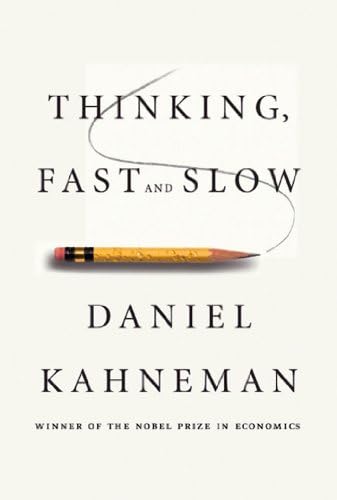
The show also covers broader technology and media developments, including Amazon's AI coding failures, YouTube's dominance over traditional media companies, and the implications of AI adoption in government. Throughout, they reference key business and psychology frameworks from Atomic Habits, Thinking, Fast and Slow, and The Hard Thing About Hard Things as examples of essential knowledge for understanding complex systems.
Iran Closes Strait of Hormuz with Strategic Ship Attacks
Three ships were struck today attempting to cross the Strait of Hormuz, including a Thai-flagged bulk carrier hit twice with explosions near the engine room, forcing 20 crew members to evacuate with three still missing.
Traffic through the strait, which carries 20% of the world's oil and gas supply, has dropped to "effectively zero" with 17 total incidents logged since the war began, including 13 confirmed attacks.
Iran's military issued new threats to strike U.S. and Israeli economic targets including bank branches, while intelligence indicates they're deploying 2,000 to 6,000 naval mines into shipping lanes.
Insurance carriers refuse to cover ships transiting the strait, and different countries are now "cutting deals directly with Iran to have their ships left alone," showing Iran's leverage in asymmetric warfare.
Decentralized Iranian Military Defies Traditional Warfare
General Mohammed Ali Jafari restructured Iran's Revolutionary Guard in 2007 after watching the U.S. topple Saddam Hussein in three weeks, creating 31 separate provincial commands to avoid decapitation strikes.
Each provincial command has "its own headquarters, its own weapons, its own fast boats" plus "pre-authorized launch orders that don't require additional permission from above."
Insurance investigators modeling ceasefire scenarios conclude there's "basically a 0% chance" that all 31 commands would simultaneously honor any negotiated agreement.
Only the supreme leader can constitutionally turn off the war machine, but new leader Mojtaba Khomeini is reportedly "in critical condition and on a ventilator" with no public appearances to confirm his status.
U.S. and Israeli Radar Systems Suffer Confirmed Damage
Satellite imagery confirmed Iran destroyed FAD radar systems at U.S. air bases in Jordan and near Prince Sultan Air Base in Saudi Arabia, with additional strikes in Qatar and two UAE locations.
CNN calculated replacement cost for "one destroyed FAD radar system alone would be just under half a billion dollars," representing significant strategic losses.
Two Hezbollah missiles hit central Israel on March 9th with the IDF confirming they launched "without any warning sirens sounding" due to degraded radar coverage.
The U.S. is dismantling their THAD system in South Korea to transport it to the Middle East, indicating the severity of regional radar losses.
Global Energy Markets React with Panic Buying
China implemented its largest fuel price hike in years, jumping 695 yuan per ton for gasoline, triggering mile-long gas lines as drivers rushed to fill up before the midnight deadline.
Panic buying spread across Asia with Thailand seeing "long queues and stations running dry," Philippines experiencing "hour plus long wait lines," and Bangladesh imposing sales limits.
Brent crude surged "roughly 20% since the war started" though prices fluctuated wildly as traders "hear something on the news and they rush to make a trade."
Trump announced a "historic $300 billion deal" to open "the first new U.S. oil refinery in 50 years in Brownsville, Texas" partnering with India's Reliance company.
AI Coding Tools Cause Amazon Infrastructure Failures
Amazon held emergency meetings after "a trend of incidents with high blast radius caused by generative AI-assisted changes" including AWS spending "13 hours recovering" from an AI tool that deleted and recreated an environment.
The company now requires "junior and mid-level engineers can no longer push AI-assisted code without a senior signing off" following multiple system failures.
"Show me the incentives and I'll show you the outcome" - Tom warns that companies incentivizing rapid AI code deployment without quality metrics will produce sloppy results.
Despite risks, Tom advocates for AI use with proper safeguards: "I use AI to write those [deep dives]. I would never be able to write them at that pace without AI" but emphasizes the need for human oversight and fact-checking.
YouTube Dominates Traditional Media in Revenue
YouTube officially "surpassed Disney, Paramount, and Warner Brothers Discovery" combined in ad revenue for 2025, becoming "the largest media company in the world."
"YouTube has become a part of the fabric of people's everyday life" with universal adoption across demographics, from parents to children consistently choosing the platform.
The platform's strength lies in being "infinite TV channels that every niche is so deep and so specific" allowing completely different universes within the same platform.
Senators are now "allowed to use ChatGPT for official use in the Senate," which Tom supports for bill analysis while warning that AI "has an agenda and it is doing its best to manipulate you."


These notes may contain occasional inaccuracies. Learn how podbrain notes are made
More in Self-Development

Can the Middle Class Be Saved? Political Division, Economic Doom & The Leadership Problem | Andrew Bustamante Pt. 2
Jun 20, 2026
The Career Trap That Makes Women Miserable - Suzanne Venker - #1113
Jun 20, 2026
How Immigration and War Test the Strength of Values and National Identity
Jun 19, 2026
7 Strategies for Becoming a Better Father | FRIDAY FIELD NOTES
Jun 19, 2026
ELECTROMAGNETISM Is The SECRET To Health: Biofield Tuning Explained | Eileen McKusick
Jun 15, 2026
.svg)