
DOJ Goes After Comey, Mamdani Budget Woes, & The Hidden Forces That Are Devastating Us Financially | Tom Bilyeu Show Live!
Tom Bilyeu hosts a wide-ranging discussion covering economic policy, geopolitics, and social issues. The conversation examines NYC Mayor Mamdani's budget crisis, Iran's oil storage problems, and the UAE's departure from OPEC.

Episode


- 01
Mamdani created NYC's $5.4 billion budget deficit by proposing $15 billion in new spending above previous year's already problematic budget
- 02
UAE leaving OPEC could unlock up to 1 million extra barrels per day, potentially breaking the oil cartel's price control mechanisms
- 03
Iran has roughly 22 days before running out of oil storage capacity, forcing them to shut down machinery that takes months to restart
- 04
Women's suffrage correlates with doubling state government spending within 10 years, according to 750+ cited economic research from 1999
- 05
Federal minimum wage increases cause job losses for entry-level workers while local minimum wages can help in monopolistic employer situations
- 06
The K-shaped economy stems from deficit spending and money printing, which steals from dollar holders through inflation taxation
- 07
Supreme Court ruled 9-0 that race-based congressional districting under voting acts is unconstitutional, enabling widespread redistricting
- 08
Skills acquisition and deglobalization are the only two solutions to stagnant wages - not government wage mandates
Get the latest ideas from Tom Bilyeu.
Plus the best new takeaways from other top podcasts — read in minutes, not hours.
By continuing, you agree to podbrain's Terms and Privacy Policy.
These notes may contain occasional inaccuracies. Learn how podbrain notes are made
Tom Bilyeu hosts a wide-ranging discussion covering economic policy, geopolitics, and social issues. The conversation examines NYC Mayor Mamdani's budget crisis, Iran's oil storage problems, and the UAE's departure from OPEC.
Key topics include the correlation between women's suffrage and government spending growth, minimum wage policy effectiveness, and the systemic causes of America's caste-like economic immobility. The discussion also covers recent Supreme Court decisions on redistricting and the ongoing China-EU trade tensions.
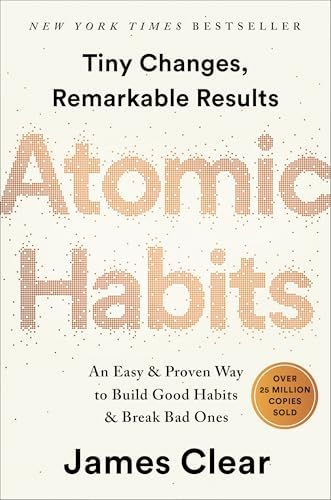
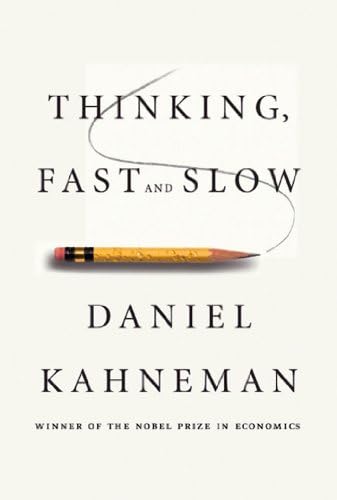
Throughout the analysis, Bilyeu references influential works like Atomic Habits, Thinking, Fast and Slow, and The Hard Thing About Hard Things as examples of essential reading for understanding business and decision-making frameworks.
Iran's Oil Crisis Reaches Breaking Point
Iran has between 2-22 days before running out of oil storage capacity, forcing them to literally pump oil onto the ground or shut down machinery that takes months to restart.
"You're only ever nine meals away from revolution" - if the Hormuz Strait blockade continues hurting Iran's economy, internal militias may turn on leadership when payments stop.
Oil infrastructure cannot simply be turned off and on like a valve - extended shutdowns require years of rebuilding and equipment replacement.
UAE Breaks OPEC Cartel, Opens Second Trade War Front
UAE's departure from OPEC could unlock up to 1 million extra barrels per day, potentially breaking the oil cartel's price control mechanisms and returning to free market competition.
China warned the EU against their Made in Europe plan requiring 70% European components for EVs and 25% low-carbon steel thresholds, threatening "countermeasures."
The EU lost 200,000 jobs in energy-intensive industries since 2024, with 600,000 more projected in car making alone this decade.
Mamdani's Manufactured Budget Crisis Exposed
Mamdani's preliminary fiscal year 2027 budget proposes $127 billion in spending - roughly $15 billion above the previous year, a 10-13% jump he created himself.
NYC's $5.4 billion budget shortfall could disappear by simply holding spending flat at last year's level, since Mamdani's spending increase is nearly three times the deficit.
City Council Speaker Julie Menon released a plan on April 1st to close the entire $6 billion gap without raising taxes by removing budgeted salaries for vacant positions ($860 million) and auditing Department of Education contracts ($175 million).
New York City outspends the entire state of Florida ($116 billion budget) despite Florida having nearly three times NYC's population.
The Gender Gap Explains the Welfare State
Economists John Lott and Lawrence Kenny's 1999 study showed state government spending roughly doubled within 10 years when women got the right to vote, cited over 750 times.
In every U.S. presidential election since 1980, women have voted Democrat 4-12 points higher than men, with a 10-point gap in 2024.
Pew consistently finds 58% of women prefer bigger government providing more services, while only 37% of men agree - trend lines unchanged in 40 years.
"Women should absolutely be allowed to vote. You want that tension, but what you want to be able to surface is what are the outcomes that come from that."
Why Federal Minimum Wage Destroys Entry-Level Jobs
Federal minimum wage increases to $25/hour eliminate entry-level positions where inexperienced workers could build skills and prove their value to employers.
"For $12 an hour, I can get somebody that has experience. So I'm just not going to offer you the job" - minimum wage prevents skill-building opportunities for new workers.
Local minimum wages can work in specific circumstances with monopolistic employers, but federal mandates ignore regional economic differences and destroy job creation.
The solution to stagnant wages requires two things: "Get students obsessed when they're kids with skill acquisition and de-globalize."
America's Caste System and the K-Shaped Economy
"We have calcified into a caste system. If you're born poor, you're going to die poor" - this betrays the American ethos and stems from deficit spending and money printing.
The government's money printing creates inflation that equally hurts all dollar holders: "We literally print it out of thin air, which makes it worse for everybody."
Innovation should make everything cheaper and better each year, but money printing eats through all productivity gains plus 2-3% inflation targets.
"Don't elect politicians that won't balance the budget" - deficit spending is the foundational problem behind middle-class economic struggles.

These notes may contain occasional inaccuracies. Learn how podbrain notes are made
More in Self-Development

Can the Middle Class Be Saved? Political Division, Economic Doom & The Leadership Problem | Andrew Bustamante Pt. 2
Jun 20, 2026
The Career Trap That Makes Women Miserable - Suzanne Venker - #1113
Jun 20, 2026
How Immigration and War Test the Strength of Values and National Identity
Jun 19, 2026
7 Strategies for Becoming a Better Father | FRIDAY FIELD NOTES
Jun 19, 2026
ELECTROMAGNETISM Is The SECRET To Health: Biofield Tuning Explained | Eileen McKusick
Jun 15, 2026
.svg)