
Tish Rabe — 200+ Children's Books, Getting Picked for Dr. Seuss, Lessons from Early Sesame Street, How to Write 300+ Songs, and More
Tish Rabe is a 74-year-old children's book author with over 200 published titles and 11 million copies sold worldwide. She began her career as an opera singer before joining Sesame Street in season two as a music production assistant, eventually singing with the Muppets and writing her first book...

Episode


- 01
Tish Rabe started at Sesame Street season two as music production assistant, singing "I Love Trash" with Oscar the Grouch as her first big break
- 02
Sesame Street writers always wrote endings first, using Abbott and Costello films as inspiration - "How did they get there?" - Rabe
- 03
Dr. Seuss died before finishing his science book series, leading Random House to ask Rabe to continue it in his rhythm and rhyme scheme
- 04
Being Green broke all children's songwriting rules by having no end rhymes, unlike typical songs that rhyme everything
- 05
Rabe started her own publishing company at age 71 during COVID, focusing on books that help underserved children get free books
- 06
Oh Baby, The Places You'll Go was commissioned by Audrey Geisel after 1950s research showed babies recognize voices heard in utero
- 07
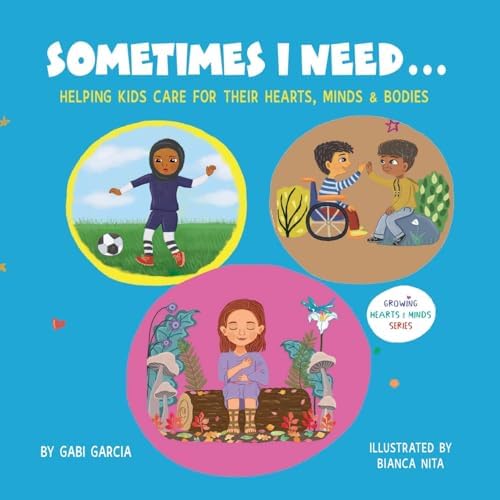
Military families face unique challenges when parents deploy for a year, inspiring Rabe's Sometimes a Part Always in My Heart
- 08
All of Rabe's 200+ children's books use rhyme because it serves as children's first exposure to mnemonic devices for memory
Get the latest ideas from Tim Ferriss.
Plus the best new takeaways about parenting from other top podcasts — read in minutes, not hours.
By continuing, you agree to podbrain's Terms and Privacy Policy.
These notes may contain occasional inaccuracies. Learn how podbrain notes are made
Tish Rabe is a 74-year-old children's book author with over 200 published titles and 11 million copies sold worldwide. She began her career as an opera singer before joining Sesame Street in season two as a music production assistant, eventually singing with the Muppets and writing her first book Bert and the Broken Teapot.
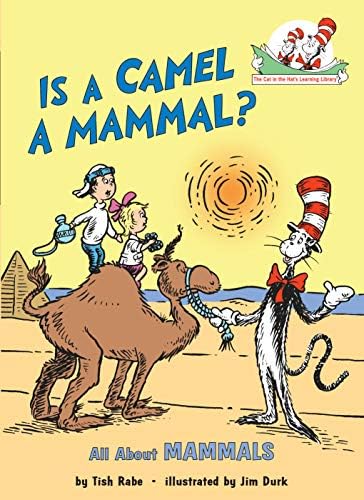
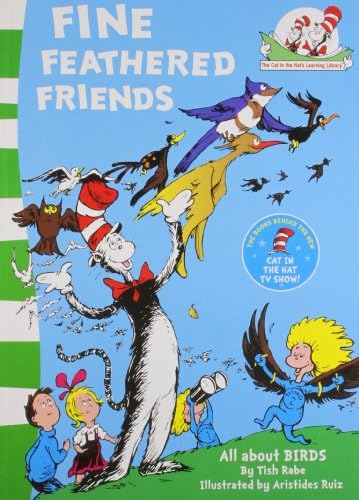
After Dr. Seuss died before completing his science book series, Random House asked Rabe to continue the project, leading to her writing dozens of educational books in his distinctive rhythm and rhyme scheme. Her works include A Mammal is an Animal, Fine Feathered Friends, and the bestselling All About Our Solar System.
At age 71 during COVID, Rabe started her own publishing company, Tish Rabe Books, focusing on underserved communities and military families. Her recent works include Sweet Dreams for children facing adversity, Sometimes a Part Always in My Heart for military families, and upcoming titles like Central Park, You Can See, is the Best Place to Be and Kindness is Caring, Friendship is Sharing with Rotary Clubs.
From Opera Dreams to Sesame Street Season Two
Rabe studied opera with a jazz minor at Ithaca College, class of 1972, determined to become a Broadway star without taking education backup courses like her classmates.
Her high school music teacher became assistant music director on Sesame Street season two and hired her as music production assistant after asking if she could type.
"All I wanted to do was sing with Jim Henson's Muppets. My first job was hiring the jingle singers in Manhattan to sing with Jim Henson's Muppets" - Rabe
Her breakthrough came singing "I Love Trash" with Oscar: "Everything dirty and dingy and dusty, anything ragged and rotten and rusty. Oh, I love, I love, I love trash."
The Creative Genius Behind Sesame Street's Success
Sesame Street was one of the first TV shows with educational research backing, featuring notebooks "this thick" with curriculum goals for teaching numbers, letters, compassion, and sorting skills.
The show pioneered double-level humor to engage both children and parents, since studies showed kids learned more when parents watched with them.
Writers always wrote endings first, studying Abbott and Costello and Marx Brothers films: "Abbott and Costello are pushing a piano across a bridge with a gorilla coming at them. How did they get there?"
Joe Raposo broke all songwriting rules with Being Green: "There's not one rhyme. It's not easy being green, having to spend each day the color of the leaves... There's not a rhyme in it."
Inheriting Dr. Seuss's Educational Mission
After submitting "Morris Aurorus was a Brachiosaurus" to Random House, Rabe was told: "We cannot publish this because we are the rhyming home of Dr. Seuss."
Random House then offered her Dr. Seuss's unfinished science series: "Dr. Seuss wanted to write books about science in rhyme for early readers, four to seven-year-olds, and died before he could finish the first one."
Given four months to complete A Mammal is an Animal and Fine Feathered Friends, Rabe had to master Dr. Seuss's perfect rhythm and pure end rhymes.
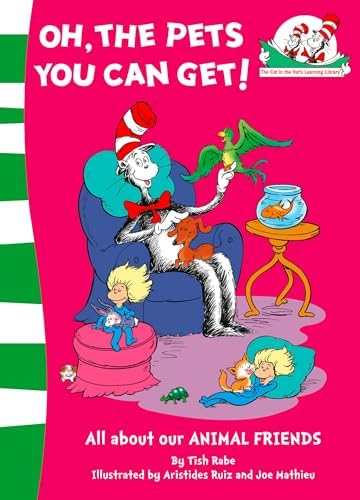
Following Dr. Seuss's tradition, she creates new words when stuck: "In Oh, the Pets You Can Get, I made up 'Gerplets' who know quite a bit about caring for pets."
Military Families and the Power of Connection
Inspired by her World War II POW father and witnessing military families' sacrifices, Rabe wrote Sometimes a Part Always in My Heart for deployed service members.
She partnered with United Through Reading, which "records deployed service members reading books to their kids, then sends the video home with a free copy of the book."
After extensive interviews with military families, she included practical tips like: "When my husband leaves, he traces his hand on paper and I put it up next to the door so the kids can give him a high five."
The book features Alaska, a stuffed dog character that "literally fell in my bag" and became both a story element and companion toy for military children.
Starting Fresh at 71 During COVID
"I started my own company when I turned 71" during COVID while her husband fished "three to four days a week" in Mystic, Connecticut.
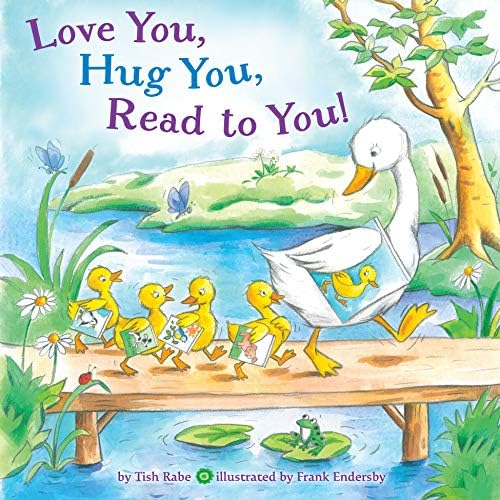
Her first self-published book Love You, Hug You, Read to You features dialogic reading with questions like "What do you think the little kittens are thinking?"
Sweet Dreams was created for Pajama Program (now Beyond Bedtime) to help parents establish bedtime routines, featuring lullabies set to public domain melodies like "Twinkle, Twinkle, Little Star."
She's crowdfunding free copies of Central Park, You Can See, is the Best Place to Be for first graders in underserved neighborhoods across New York's five boroughs.
The Science and Art of Rhyming for Children
"Migration and vacation is perfect Seuss rhyme. Farm and barn is what they call a slant rhyme. Dr. Seuss insisted on two things: perfect rhythm and pure end rhymes."
Rabe researches at children's library departments because "it's already been simplified" and looks for rhyming potential: "When birds want to go on a winter vacation, they all take a trip and they call it migration."
"Every single one of my books rhymes because it works. It is their first exposure to a mnemonic device" - helping children remember information through rhythm and rhyme.
When All About Our Solar System needed updating after Pluto's demotion, she changed "Mallory, Valerie, Emily Mitzas just served up 999 pizzas" to "just showed us 999 nickels."









These notes may contain occasional inaccuracies. Learn how podbrain notes are made
More in Self-Development
Can the Middle Class Be Saved? Political Division, Economic Doom & The Leadership Problem | Andrew Bustamante Pt. 2
Jun 20, 2026
The Career Trap That Makes Women Miserable - Suzanne Venker - #1113
Jun 20, 2026
How Immigration and War Test the Strength of Values and National Identity
Jun 19, 2026
7 Strategies for Becoming a Better Father | FRIDAY FIELD NOTES
Jun 19, 2026
ELECTROMAGNETISM Is The SECRET To Health: Biofield Tuning Explained | Eileen McKusick
Jun 15, 2026
.svg)