
Calley Means & Kyle Diamantas: On MAHA, Food Dye Reform, GRAS Loopholes & US Food Crisis
Kyle Diamantis serves as head of human foods at the U.S. FDA, overseeing 80% of America's food supply across three pillars: microbiological food safety, nutrition, and food chemical safety. Calley Means leads the Make America Healthy Again agenda at HHS, having transitioned from the private sector after co-authoring...

Episode

- 01
Over 90% of novel food additives in America were never reviewed by the FDA due to a 65-year-old GRAS loophole that lets companies skip safety testing
- 02
The FDA regulates 80% of the U.S. food supply and conducts over 30,000 regulatory samples yearly with 500+ recalls annually
- 03
Hospitals receive over $1 trillion in government funding while serving diabetic patients Coca-Cola and charging Medicare up to $400 per day for food
- 04
Operation Stork is comprehensively reviewing infant formula nutrient requirements for the first time since 1998, with FDA inspecting formula facilities annually
- 05
Snacking has decreased 9% in the past year while Americans are buying more whole foods, beans, and fresh produce
- 06
The new dietary guidelines flip the food pyramid upside down, marking the first time the U.S. government has stated real food is healthier than ultra-processed food
- 07
Walmart's Great Value brand committed to removing 30 different additives including dyes, preservatives, and sweeteners from their $27 billion product line
- 08
SNAP reform has removed soda and candy from food stamp programs in the majority of U.S. states
Get the latest ideas from The Ultimate Human with Gary Brecka.
Plus the best new takeaways about nutrition from other top podcasts — read in minutes, not hours.
By continuing, you agree to podbrain's Terms and Privacy Policy.
These notes may contain occasional inaccuracies. Learn how podbrain notes are made
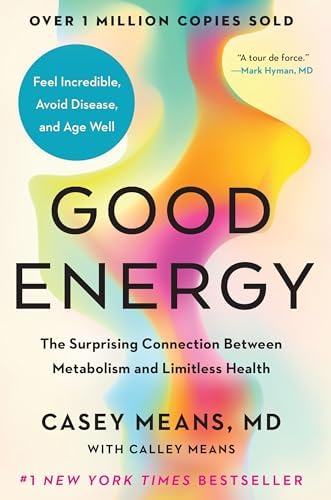
Kyle Diamantis serves as head of human foods at the U.S. FDA, overseeing 80% of America's food supply across three pillars: microbiological food safety, nutrition, and food chemical safety. Calley Means leads the Make America Healthy Again agenda at HHS, having transitioned from the private sector after co-authoring Good Energy with his sister Casey, a Stanford-trained surgeon.
The conversation covers the administration's systematic approach to food safety reform, including the historic overhaul of GRAS (Generally Recognized as Safe) guidelines that have allowed over 90% of food additives to bypass FDA safety testing for decades. They discuss Operation Stork's comprehensive review of infant formula standards and the groundbreaking hospital nutrition reforms announced in Florida.
Both officials emphasize that meaningful change requires consumer participation alongside regulatory reform, as corporate behavior ultimately responds to spending patterns and market demand rather than government mandates alone.
Behind the Curtain: Transitioning from Private to Public Sector
Kyle Diamantis describes his first government role as requiring extensive process adherence: "There's a lot of laws, regulations, something called the Administrative Procedures Act. There's a lot of things that have to be done, boxes checked."
The FDA's human foods division operates across three pillars: microbiological food safety (55-60% of budget), nutrition including labeling and infant formula, and food chemical safety covering pre-market and post-market review.
"That view of keeping the food supply safe behind the curtain that no one hears about is the most important job we have in FDA" - Kyle, noting 30,000 regulatory samples and 500+ recalls annually.
GRAS Reform: Closing the 65-Year Safety Loophole
The 1958 Food Additive Amendments created a GRAS exception for ingredients like "salt, vinegar, pepper, flour" that has been exploited for seven decades, allowing complex novel compounds to bypass FDA review.
Kyle cites teraflour as an example: "We had no record of this ingredient because it didn't come through a formal process. It was a self-GRAS ingredient" that caused 400 adverse events including gallbladder failures.
The administration has created "a new systematic post-market review framework in FDA" to evaluate chemicals introduced 30-50 years ago through science-based, public comment processes.
Most food companies support GRAS reform because "FDA review of an ingredient, they believe is good for their own business" and provides transparency for multi-year ingredient contracts.
Hospital Nutrition Revolution: $400-Per-Day Food Reform
"It is absolutely disgraceful what hospitals are serving patients" - Calley, noting hospitals receive over $1 trillion in government funding while serving diabetic patients sugary drinks.
CMS is issuing conditions of participation requiring hospitals taking government money to eliminate sugary drinks for diabetic patients and reduce refined carbohydrates in favor of whole grains.
Florida hospitals led by Nicklaus Children's Hospital made voluntary commitments to match dietary guidelines, focusing on "fresh fruits and vegetables, whole foods, proteins, whole grains, minimization of sugars and ultra-processed foods."
Hospitals employ more Americans than any other industry, making cafeteria changes impact "tens of millions of Americans eating at hospitals every day" beyond just patient care.
Operation Stork: Modernizing Infant Formula Standards
"Infant formula is maybe the most important single food item that we regulate at FDA" and is "regulated very tightly, closer to a drug than a food product" as sole-source nutrition for vulnerable infants.
The FDA is conducting its first comprehensive nutrient assessment since 1998, reviewing all 30 mandatory nutrients (10 with maximum levels) through public rulemaking with "world-class experts" and international consultation.
Comprehensive testing for PFAS, phthalates, heavy metals, and pesticides shows "the infant formula supply in the United States when it comes to contamination levels is in a good spot" with levels "much lower than EPA levels for bottled water."
The FDA has permitted 13 foreign formulas previously unavailable in the U.S., mostly from Europe and Australia, while maintaining identical safety standards through on-ground facility inspections.
Corporate Cooperation and Market-Driven Change
"What people might call big food is also largely partnering with us on this. They want that level of oversight and reform" - Kyle, noting companies have been following existing laws.
Walmart's Great Value brand, generating $27 billion annually and "larger than many household brands combined," committed to removing 30 additives including dyes, preservatives, and sweeteners.
Consumer behavior is shifting dramatically: flight attendants report 50% reduction in soda service, snacking down 9% nationally, while whole food protein, beans, fruits, and vegetables purchases increase.
"The consumers that purchase products in America have way more power than Calley and I do or the administration does when it comes to influencing corporate behavior" - Kyle.
Political Challenges and Long-Term Vision
Calley notes surprising "hate in Washington D.C. towards this administration" despite the issues being inherently non-political, with Democrats not responding to outreach despite previously supporting Good Energy.
"The Maha argument is that this is not an issue of rejiggering Medicare, Medicaid reimbursement rates to solve what's happening to American health. There's something deeply cultural here."
Kyle emphasizes generational timelines: "If you look at successful societal movements, they don't happen in one year. They're a decade. They're a generational movement."
The administration has achieved unprecedented wins including flipping the food pyramid, removing artificial dyes, SNAP reform, and grass framework changes, with "30 states doing Maha bills" on school phones, lunches, and food dyes.

These notes may contain occasional inaccuracies. Learn how podbrain notes are made
More in Health & Wellness

The Mental Frame & Specific Daily Actions to Succeed | Andy Stumpf
Jun 15, 2026
#396 ‒ Breast cancer screening: understanding risk, deciding when to start and how often to screen, and choosing the right imaging strategy
Jun 15, 2026
Essentials: Sleep Toolkit for Optimizing Sleep & Sleep-Wake Timing
Jun 11, 2026
Everything Women Need to Know About Perimenopause, Menopause & Hormone Therapy - Compilation
Jun 11, 2026
You Can Get What You Want.... But There’s a Catch
May 21, 2026
.svg)