
Everything Women Need to Know About Perimenopause, Menopause & Hormone Therapy - Compilation
Gary Brecka hosts a compilation of three conversations addressing how women have been failed by medicine regarding menopause. The episode features Dr. Jessica Shepherd, a board-certified OB-GYN and menopause expert who founded Modern Meno and wrote ref:ref-book-generation-m:ref:ref-book-generation-m:Generation...


- 01
50 million women have unnecessarily suffered for decades because of one misquoted study - Chairman of the FDA
- 02
Perimenopause can start in your late 30s, with the average beginning at 45, lasting through the 40s into menopause
- 03
Standard blood tests miss hormonal changes; the Dutch test provides a 24-hour hormone profile showing ratios and metabolites
- 04
Estrogen has receptors on every tissue in the body - it's not just a sex hormone but critical for brain, heart, and bone health
- 05
New data from 120 million women shows starting hormones early in perimenopause decreases stroke, heart attack, and osteoporosis odds by 60%
- 06
Women lose 20% of bone density between perimenopause and menopause, and 30% of facial collagen when estrogen declines
- 07
Bioidentical hormones are plant-derived from yams - the same molecular structure your body naturally produces
- 08
Frozen shoulder in midlife women is often an inflammatory response to declining estrogen, not just a joint problem
Get the latest ideas from The Ultimate Human with Gary Brecka.
Plus the best new takeaways about testosterone & hormones from other top podcasts — read in minutes, not hours.
By continuing, you agree to Podbrain's Terms and Privacy Policy.
These notes may contain occasional inaccuracies. Learn how Podbrain notes are made
Gary Brecka hosts a compilation of three conversations addressing how women have been failed by medicine regarding menopause. The episode features Dr. Jessica Shepherd, a board-certified OB-GYN and menopause expert who founded Modern Meno and wrote Generation M, Dr. Vonda Wright, a board-certified orthopedic surgeon and author of Unbreakable, and Sage Brecka, who shares her personal menopause journey.
The discussion covers the misquoted study that led to 50 million women suffering unnecessarily, the early signs of perimenopause starting in the late 30s, why standard blood work misses hormonal changes, and the transformative potential of hormone therapy. Dr. Shepherd explains the science behind hormonal transitions, while Dr. Wright connects joint problems like frozen shoulder to estrogen deficiency.
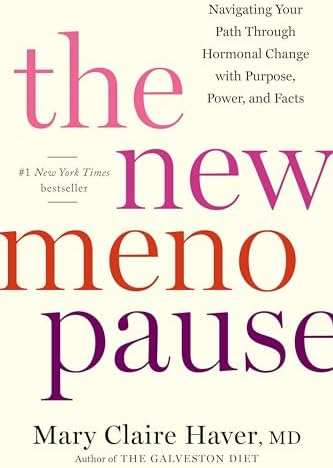
Sage Brecka's personal story illustrates how The New Menopause by Mary Claire Haver helped her connect frozen shoulder to perimenopause, leading to proper testing and hormone therapy that resolved her symptoms within three weeks. The conversation emphasizes that women don't have to suffer through menopause and provides actionable guidance for testing and treatment.
The Medical System's Failure on Menopause
Dr. Shepherd transitioned from traditional medicine after 15 years of high-volume surgery, realizing she needed to address root causes rather than just treating disease manifestations.
"50 million women have unnecessarily suffered for decades because of one misquoted study" - Chairman of the FDA, referring to the WHO study that created fear around hormone therapy.
The misquoted study used inappropriate subjects - women in their elder 50s and 60s, smokers, and those with existing heart disease - rather than the ideal candidates for hormone therapy.
Both physicians and patients abandoned hormone therapy due to catastrophic messaging, despite the proven benefits for symptom relief and disease prevention.
Understanding Perimenopause Timeline and Testing
Perimenopause begins in the late 30s and continues through the 40s, with the average starting age of 45, lasting years before actual menopause at 51-52.
"Nothing shifts overnight. It all is a process" - Dr. Shepherd, explaining how hormonal changes occur gradually over years, not suddenly.
Standard blood tests provide only snapshots in time and typically show "within normal limits" even when women experience significant symptoms.
The Dutch test offers a 24-hour urine analysis showing hormone ratios and metabolites, providing a comprehensive picture that blood work misses.
Testing should include estrogen, progesterone, FSH, cortisol, thyroid, and vitamin D to assess the full hormonal landscape during transition.
Estrogen's Critical Role Beyond Reproduction
"Estrogen, progesterone, and testosterone are not sex hormones. They are hormones, just like thyroid hormone" - Dr. Wright, emphasizing their systemic importance.
Estrogen receptors exist on every tissue in the body, making estrogen deficiency a whole-body crisis affecting brain, heart, bones, and muscles.
Women are born with all the eggs they'll ever have - over 2 million - and by age 35-40, less than 1% remain, triggering estrogen decline.
Estrogen acts as a powerful anti-inflammatory agent, and its loss explains why women experience increased inflammation and joint problems in midlife.
Without estrogen, the brain changes its chemistry, the heart develops 30-40% more microvascular disease, and bone density drops 20% during the menopause transition.
Frozen Shoulder as Menopause Warning Sign
Dr. Wright immediately suspects perimenopause when a 46-year-old woman presents with frozen shoulder, asking about sleep and overall wellbeing rather than focusing solely on the joint.
Frozen shoulder presents as sudden, excruciating pain with no trauma, followed by complete loss of arm mobility - an inflammatory response to estrogen deficiency.
Sage Brecka's frozen shoulder lasted 9 months despite trying acupuncture, cupping, physical therapy, red light therapy, and other treatments.
The New Menopause by Mary Claire Haver was the only resource Sage found linking frozen shoulder to perimenopause, providing a comprehensive symptom checklist.
Three weeks after starting hormone therapy, Sage's frozen shoulder completely resolved, demonstrating estrogen's anti-inflammatory effects.
Hormone Therapy Safety and Timing
The optimal window for starting hormone therapy is ages 45-55, during late perimenopause to early menopause, when symptoms begin but before inflammatory damage occurs.
New data from 120 million women shows starting hormones early in perimenopause decreases odds of stroke, cardiovascular disease, heart attack, and osteoporosis by 60%.
Bioidentical hormones are plant-derived from yams, creating the exact molecular structure the body naturally produces - "What's more natural than giving your body the building blocks it always has had?" - Dr. Wright.
The complete hormone protocol includes systemic estradiol, micronized progesterone (if uterus present), testosterone, vaginal estrogen, and facial estrogen for comprehensive restoration.
Hormone therapy doses are much lower than birth control pills, which contain synthetic hormones at 10 times the dose given to teenagers for decades.
Sage's Personal Transformation Story
Sage experienced brain fog, mood swings, exhaustion, frozen shoulder, and complete loss of libido, initially attributing symptoms to stress or other factors.
The Dutch test revealed virtually no cortisol (waking hormone) and off-the-charts melatonin, creating a reversed sleep-wake cycle that felt like "taking Adderall to go to bed and sleep medication to wake up."
Additional testing revealed severe mold toxicity (level 49 when 9 was considered high), contributing to brain fog and other symptoms.
On the first night of hormone therapy at 10,500 feet in a log cabin, Sage "passed out" at 7 PM and slept through the night - the beginning of her recovery.
Within three weeks, her frozen shoulder thawed, sleep normalized, energy returned, and she was "back on her game" managing contractors and complex projects.

These notes may contain occasional inaccuracies. Learn how Podbrain notes are made
More in Health & Wellness

How to Improve Your Memory & Cognitive Function at Any Age | Dr. Alan Castel
Jul 13, 2026
#399 ‒ The evolution of Alzheimer's disease and dementia care: how early detection, personalized treatment, new therapies, and a multimodal approach are changing the landscape | Gayatri Devi, M.D.
Jul 13, 2026
Essentials: The Science of Eating for Health, Fat Loss & Lean Muscle | Dr. Layne Norton
Jun 25, 2026
281. Dr. Phil Reveals The Exercise That Rewires Your Brain in Minutes
Jun 25, 2026
Will Harlow: STOP Losing Muscle After 50 (Do This Instead)
Jun 23, 2026.svg)