
Dawn of the Samurai: The Shadow of the Sword (Part 1)
Tom Holland and Dominic Sandbrook explore the origins of Japan's most mythologized warrior class, the samurai, beginning with the legendary Taira no Masakado in 940 CE. Holland brings expertise in medieval history while Sandbrook provides cultural context, examining how these provincial warriors evolved from despised...

Episode


- 01
Taira no Masakado, the first samurai, was seven feet tall with two pupils in his left eye and invulnerable to weapons except his forehead - Tom
- 02
Bushido, the 'way of the warrior,' was largely a modern invention fusing Japanese traditions with English gentleman ideals and European chivalry
- 03
The samurai class emerged from provincial governors recruiting horsemen called 'suamono' to fight barbarians in northeastern Japan beyond Kyoto's control
- 04
By 1876, everything distinctive about samurai - elevated status, stipends, sword-wearing rights, and topknot hairstyles - had been abolished under Meiji modernization
- 05
Masakado declared himself emperor of Kanto plain in 940 CE, recognizing it was larger and potentially richer than Kyoto's Kansai region
- 06
The imperial court in Kyoto despised warriors as 'dogs' and 'scum,' preferring poetry, calligraphy, and incense-mixing as markers of true status
Get the latest ideas from The Rest Is History.
Plus the best new takeaways from other top podcasts — read in minutes, not hours.
By continuing, you agree to podbrain's Terms and Privacy Policy.
These notes may contain occasional inaccuracies. Learn how podbrain notes are made
Tom Holland and Dominic Sandbrook explore the origins of Japan's most mythologized warrior class, the samurai, beginning with the legendary Taira no Masakado in 940 CE. Holland brings expertise in medieval history while Sandbrook provides cultural context, examining how these provincial warriors evolved from despised mercenaries into global icons.
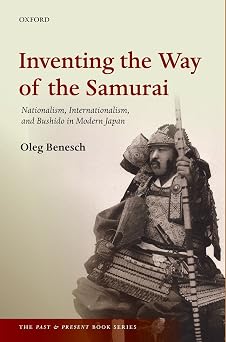
The discussion spans from the samurai's emergence in 10th-century Japan through their abolition in 1876, revealing how The Tale of the Heike chronicled their rise while works like The Tale of Genji and The Pillow Book ignored their existence entirely. The hosts examine how Bushido, as analyzed in Inventing the Way of the Samurai, was largely a modern creation rather than an ancient code.
They trace the transformation from Kyoto's peaceful court culture, where warriors were considered vulgar, to the rise of military rule that would define Japan for centuries. The episode sets up the coming civil war between the Taira and Minamoto clans that would end the dominance of the imperial court forever.
The Flying Head of Japan's First Samurai
In April 940 CE, horsemen brought the severed head of Taira no Masakado to Kyoto's marketplace, where it opened its eyes, demanded its body back, and eventually flew off glowing toward Tokyo.
Masakado was seven feet tall with two pupils in his left eye, invulnerable to weapons thanks to his giant snake mother's saliva - except for his forehead where she hadn't licked.
His tomb still stands in Tokyo's business district because every attempt to develop the site has resulted in disasters, from crane collapses to executive deaths.
From Medieval Warriors to Global Icons
The samurai outlasted the Middle Ages unlike Vikings or medieval knights, making them seem more contemporary and globally appealing than other warrior classes.
Tokugawa Ieyasu established 250 years of peace starting in 1603, during which samurai functioned as bureaucrats while maintaining military dress and status.
Commodore Perry's 1853 arrival with four black ships forced Japan to open up, exposing the anachronistic nature of a medieval warrior class in the industrial age.
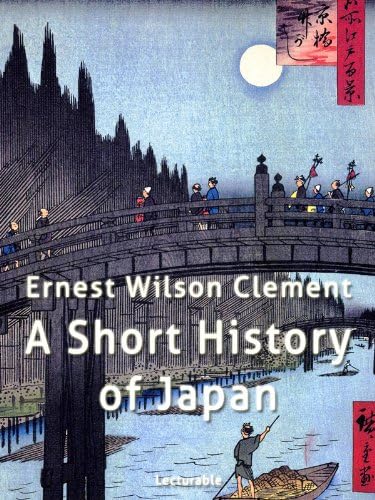
A Short History of Japan describes the 1860 samurai embassy to America, where they were bewildered by American food, democratic succession, and hired rather than hereditary armies.
The Invention of Bushido and Samurai Mythology
Bushido was largely a post-Meiji Restoration invention combining authentic Japanese traditions with English gentleman ideals and European chivalry, not an ancient code.
Scouting for Boys by Baden-Powell in 1908 compared Bushido to medieval chivalry, helping spread this modern interpretation of samurai values to the West.
Inventing the Way of the Samurai by Oleg Benesch provides the definitive study of how Bushido became an invented tradition appropriated by Japan's military and later entertainment industry.
The samurai aesthetic influenced global culture from Star Wars (Darth Vader's helmet) to Spaghetti Westerns, with George Lucas specifically requesting 'some kind of big helmet like a Japanese warrior.'
The Rise of Provincial Warriors in Medieval Japan
The imperial court in Kyoto despised warriors as 'dogs' and 'scum,' preferring poetry, calligraphy, and incense-mixing as markers of true aristocratic status.
Northeastern Japan beyond the mountains remained unpacified, forcing governors to recruit local horsemen called 'suamono' who mastered 'the way of the bow and the horse.'
The word 'samurai' originally meant vassal or subordinate, not warrior, reflecting their low social status as hired muscle for provincial lords.
Two great clans emerged from de-princed imperial sons: the Minamoto (meaning 'origin') and the Taira (meaning 'peace'), who became the dominant warrior dynasties.
Masakado's Rebellion and the First Samurai War
Masakado's rebellion began as a family feud when his uncle Yoshikane refused his marriage proposal, calling him 'just a samurai' unworthy of the family.
After being denied a government post and snubbed by relatives, Masakado torched entire villages, with contemporary accounts describing flames 'contending with thunder' and smoke 'battling with clouds.'
Masakado declared himself emperor of Kanto plain, recognizing it was larger and potentially richer than Kyoto's Kansai region - a prescient move given Tokyo's future dominance.
His cousin Sadamori's betrayal and rush to Kyoto to 'tell tales' escalated the family feud into a conflict that embroiled all of Japan.
The Peaceful Court Versus the Violent Provinces
Around 1000 CE, when The Tale of Genji and The Pillow Book were written, court literature contained no mention of warfare or warriors despite ongoing provincial violence.
The Tale of Genji, Murasaki Shikibu's 1,100-page novel, depicted a world of 'beauty, poetry, love, exquisite calligraphy, and beautiful perfumes' completely divorced from military reality.
This contrasted sharply with contemporary Western Europe's Viking raids, massacres, and constant warfare, showing Japan's unique separation between court and military culture.
While courtiers enjoyed this 'paradisal age of peace,' the Taira and Minamoto clans were growing more powerful and restless in the provinces, setting up the coming transformation.



These notes may contain occasional inaccuracies. Learn how podbrain notes are made
More in History

679. Germany: The Song Hitler Stole (Part 3)
Jun 14, 2026
Tom Holland Meets Paul McCartney
May 14, 2026Greece vs. Persia: The Battle of Marathon (Part 2)
May 13, 2026
Adolf Hitler (Part 3)
May 13, 2026Greece vs Persia: The Rise of the First Superpower (Part 1)
May 10, 2026.svg)