
The Fall of the Incas: The Last Emperor (Part 6)
This episode concludes the epic saga of the Spanish conquest of Peru, examining the final collapse of both Spanish conquistador factions and the last Inca resistance. The hosts trace the bloody vendetta between the Pizarro and Almagro families through to its devastating conclusion, while following Manco Inca's...

Episode


- 01
Almagro's execution of Rodrigo Orgonias at Las Salinas marked 'one of the last medieval battles, decided with lances and cavalry charges' in 1538
- 02
Francisco Pizarro accumulated 'more gold and silver than any commander in the history of the world' but lived simply, playing quoits for pennies
- 03
Manco Inca's assassination by Spanish refugees hiding bread rolls in their sleeves during a game of quoits ended indigenous resistance
- 04
The Potosí silver mine became 'the mountain that eats men' with estimates of 8 million deaths from forced labor
- 05
Gonzalo Pizarro's rebellion against the New Laws paralleled future American colonial revolts: 'a dry run for the tax revolt of the 1770s'
- 06
Peru's indigenous population suffered 'total demographic disaster' with valleys losing 90% of their people within decades of conquest
- 07
The last Inca emperor Tupac Amaru was executed in Cusco's main square in 1572, ending 40 years of Neo-Inca resistance
- 08
Spanish critics like Las Casas documented colonial abuses from within, establishing the 'Black Legend' narrative that influenced Protestant countries
Get the latest ideas from The Rest Is History.
Plus the best new takeaways from other top podcasts — read in minutes, not hours.
By continuing, you agree to podbrain's Terms and Privacy Policy.
These notes may contain occasional inaccuracies. Learn how podbrain notes are made
This episode concludes the epic saga of the Spanish conquest of Peru, examining the final collapse of both Spanish conquistador factions and the last Inca resistance. The hosts trace the bloody vendetta between the Pizarro and Almagro families through to its devastating conclusion, while following Manco Inca's guerrilla campaign from the jungle stronghold of Vilcabamba.
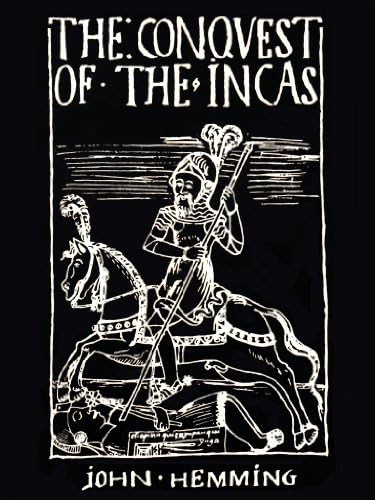
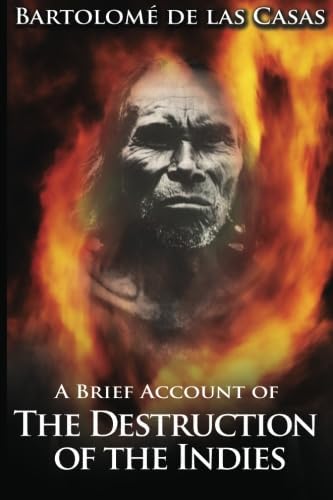
Drawing extensively from The Royal Hunt of the Sun by Peter Schaffer and historical accounts by William H. Prescott, the discussion reveals how the conquistadors' civil wars ultimately destroyed both Spanish unity and indigenous civilization. The episode explores the demographic catastrophe documented in The Conquest of the Incas by John Hemming and the moral critiques found in A Brief Account of the Destruction of the Indies by Bartolomé de las Casas.
The narrative spans from 1537 to 1572, covering the battles between rival Spanish factions, Manco's tragic assassination, and the execution of the last Inca emperor Tupac Amaru. The hosts examine how Peruvian silver, as detailed in 1493 by Charles C. Mann, would reshape the global economy while leaving the Andean region devastated by forced labor and cultural collapse.
Almagro's Fatal Miscalculations and the Battle of Las Salinas
Diego de Almagro controlled Cusco with Gonzalo and Hernando Pizarro as hostages, but made three critical errors that cost him everything
His pursuit of Manco Inca to Vitcos failed when Spanish troops became distracted looting 'a temple with a giant golden image of the sun' and terrorizing local women
Almagro's gullibility led him to release Hernando Pizarro in exchange for empty promises, losing his only leverage in negotiations
The Battle of Las Salinas on April 6, 1538, lasted just two hours and was described by History of the Conquest of Peru as a struggle where 'Spaniard fought against Spaniard with hate strong in proportion to the strength of ties that had been rent asunder'
Rodrigo Orgonias, Almagro's dashing lieutenant, was stabbed through the heart after ceremoniously surrendering his sword, then beheaded and paraded on a pike
Francisco Pizarro's Paradoxical Success and Violent End
By 1541, Francisco Pizarro had achieved unprecedented wealth, accumulating 'more gold and silver than any commander in the history of the world' - López de Gomara
Despite his riches, Pizarro lived simply, wearing old clothes and spending time 'playing quoits for pennies with ordinary Spanish soldiers' in his orange orchard
Almagro the Younger, son of Pizarro's executed partner, led 40 conspirators in a brazen assassination plot during Sunday mass on June 26, 1541
The 63-year-old Pizarro fought with sword and dagger but was overwhelmed, making 'the sign of the cross over his mouth with his fingers' before Juan Borregan smashed his face with a water urn
Manco's Guerrilla War and Tragic Assassination by Bread Roll Conspirators
Manco Inca launched devastating attacks from Vilcabamba, particularly targeting Spanish-allied tribes like 'your old friends, the Huanka' who were tortured before their women
The systematic abuse of Manco's wife Cura Ocllo culminated in her being 'stripped naked, tied to a stake, beaten and shot with arrows' before her body was floated to Manco in a basket
Seven Almagrista refugees gained Manco's trust in 1544, with Manco treating them 'as if they were his own brothers' despite warnings from his commanders
The assassination plot during a game of quoits featured conspirators hiding 'daggers in their boots' and 'many bread rolls up their sleeves to eat in the jungle when they escaped'
Nine-year-old Tito Cusi witnessed his father's murder, later dictating: 'My father, feeling himself wounded, tried to defend himself, but he was alone and unarmed, and there were seven of them with knives'
Gonzalo Pizarro's Rebellion and the American Colonial Parallel
Charles V's New Laws of the 1540s banned Indigenous slavery and mandated better treatment, causing 'wild tumult' among Spanish settlers who saw their labor force threatened
Gonzalo Pizarro's rebellion against the New Laws represented 'a dry run for the tax revolt of the 1770s' with colonists demanding 'a free hand to exploit the territory they had won'
The parallel between Gonzalo Pizarro and George Washington was noted, with 'only one major difference: Gonzalo Pizarro had his own teeth'
Gonzalo's final defiant words before execution echoed colonial resentment: 'What we did we did at our own expense... we gave it to His Majesty, though we might have kept it for ourselves'
The Demographic Catastrophe and Spanish Self-Criticism
The Conquest of the Incas documents the 'total and utter demographic disaster' with valleys losing 90% of their population within decades
Spanish officials themselves reported the devastation, with Fernando de Santián writing that Indigenous people 'live the most wretched and miserable lives of any people on earth'
The Potosí silver mine, opened in 1545, became 'the mountain that eats men' with estimates ranging from hundreds of thousands to 8 million deaths from forced labor
A Brief Account of the Destruction of the Indies by Bartolomé de las Casas established the 'Black Legend' narrative that influenced Protestant countries' views of Spanish colonialism
Philip II wrote to Lima's Archbishop about Indigenous people who 'hang themselves, others allow themselves to die by not eating... mothers kill their babies at birth'
The Last Inca Kingdom and Tupac Amaru's Final Stand
The Neo-Inca state in Vilcabamba survived under Tito Cusi, who 'enjoyed chatting' with Spanish missionaries and 'was a sort of large, very jolly man' who liked 'feathers and nice cloaks'
The Conquest of the Incas suggests that if Tito Cusi had lived longer, Vilcabamba 'might have become an independent state... and would now have a seat in the United Nations'
Tupac Amaru's rejection of Spanish Christianity and murder of envoys prompted Viceroy Toledo to declare 'a liberal interventionist war of fire and blood' in 1572
The last Inca emperor was executed in Cusco's main square on September 24, 1572, his final words in Quechua: 'Pacha Kamak, see how my enemies spill my blood'
The execution 'caused the greatest sorrow and brought tears to the eyes of all' as cathedral bells tolled and 'the many large hills visible from the city were full of Indians'




These notes may contain occasional inaccuracies. Learn how podbrain notes are made
More in History
679. Germany: The Song Hitler Stole (Part 3)
Jun 14, 2026
Tom Holland Meets Paul McCartney
May 14, 2026Greece vs. Persia: The Battle of Marathon (Part 2)
May 13, 2026
Adolf Hitler (Part 3)
May 13, 2026Greece vs Persia: The Rise of the First Superpower (Part 1)
May 10, 2026.svg)