
The Fall of the Incas: Battle for the Sacred City (Part 5)
This episode features historians Tom Holland and Dominic Sandbrook continuing their series on the fall of the Inca Empire, focusing on the dramatic events of 1535-1537.

Episode


- 01
Manco Inca assembled 100,000 warriors in April 1536, demonstrating the empire's final organizational triumph before Spanish conquest
- 02
Spanish forces in Cusco numbered only 200 maximum against Manco's massive army during the siege
- 03
Incas developed heated stone projectiles wrapped in cotton to set Spanish roofs ablaze during the assault
- 04
Juan Pizarro died from a massive stone to the head while leading the assault on Sacsayhuamán citadel
- 05
Diego de Almagro's army marched past the world's most lucrative silver mine at Potosí without realizing it
- 06
Manco established an Inca state in exile at Vilcabamba after withdrawing from the failed siege of Cusco
Get the latest ideas from The Rest Is History.
Plus the best new takeaways from other top podcasts — read in minutes, not hours.
By continuing, you agree to podbrain's Terms and Privacy Policy.
These notes may contain occasional inaccuracies. Learn how podbrain notes are made
This episode features historians Tom Holland and Dominic Sandbrook continuing their series on the fall of the Inca Empire, focusing on the dramatic events of 1535-1537.
The discussion centers on Manco Inca's great uprising against Spanish rule, beginning with his secret gathering in Cusco in autumn 1535 where he delivered a stirring speech against Spanish oppression. Drawing extensively from The Conquest of the Incas by John Hemming, the hosts detail how Spanish conquistadors Francisco Pizarro and his brothers had installed Manco as a puppet emperor, only to systematically humiliate and abuse him.
The episode covers the massive siege of Cusco in 1536, where Manco's 100,000-strong army nearly succeeded in driving out the Spanish garrison, the dramatic street-by-street fighting that followed, and the eventual stalemate that led to Manco's strategic withdrawal to establish an Inca state in exile at Vilcabamba in the jungle.
Manco's Humiliation and the Seeds of Rebellion
Juan and Gonzalo Pizarro systematically humiliated Manco by kidnapping his sisters as concubines, with Juan taking the unmarried Inquil Koya and Gonzalo demanding Manco's wife Kura Okilo despite offers of silver
When Manco attempted to flee Cusco in November 1535, the Pizarro brothers captured him and subjected him to degrading torture: "They urinated and spat in his face. They struck and beat him. They called him a dog" - Cristobal de Molina
The high priest Vilak Umu returned from Diego de Almagro's disastrous Chile expedition with reports of Spanish brutality, telling Manco: "We cannot spend our entire lives in misery and subjection"
The Great Siege of Cusco Begins
Manco escaped Cusco in April 1536 by promising Hernando Pizarro a giant golden statue of his father, using Spanish greed against them
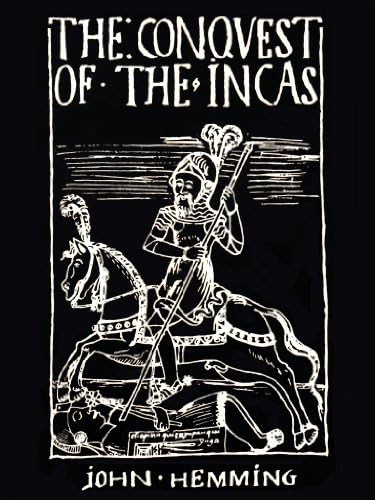
The Conquest of the Incas describes the assembled force as "the last great tribute to the Inca's genius for organization" - 100,000 warriors gathered from across the empire
Spanish observers reported the massive army: "there were so many troops they covered all the fields" by day, and by night "there were so many campfires that the land like a clear sky filled with stars"
On May 6th, 1536, Manco's forces used heated stones wrapped in cotton as incendiary projectiles, setting Cusco's thatched roofs ablaze and creating "one great sheet of flame"
The Battle for Sacsayhuamán Citadel
Juan Pizarro led 50 horsemen in a desperate charge up the hill to capture the strategic citadel overlooking Cusco, described as "one of the wonders of the world"
Juan Pizarro died after being struck by a massive stone while not wearing his helmet due to facial swelling from a previous injury, dictating a cruel final will that left nothing to his indigenous concubine
The citadel's commander Titu Cuzi Gualpa fought "like a lion" and killed his own men who tried to surrender before leaping to his death rather than be captured
After capturing the fortress, Hernando's men "rounded up 1,500 people and they put them all to the sword" in a massive massacre
Almagro's Return and the Three-Way Standoff
Diego de Almagro's expedition to Chile proved disastrous, marching past the massive silver mine at Potosí without realizing it contained "80% of the world's silver"
Almagro attempted to win Manco's alliance by writing: "My well-beloved son and brother, I'm so sorry for the abuse the Christians have done to your person"
Manco tested Almagro's loyalty by demanding he execute four Spanish scouts, but when Almagro refused, Manco concluded "these Spaniards will always stick together"
The messenger Rui Diaz suffered the series' most unusual torture: stripped naked, force-fed chicha beer, and pelted with guava fruit from slings before being shaved
Manco's Strategic Withdrawal to Vilcabamba
Realizing he couldn't defeat two Spanish armies, Manco withdrew from the highlands to establish an Inca state in exile at Vilcabamba in the jungle
Almagro installed Manco's half-brother Paulu as a new puppet emperor in July 1537, stripping Manco of his title as Sapa Inca
The final configuration left Francisco Pizarro controlling Lima on the coast, Almagro ruling Cusco in the highlands, and Manco establishing his jungle stronghold at Vilcabamba
These notes may contain occasional inaccuracies. Learn how podbrain notes are made
More in History

679. Germany: The Song Hitler Stole (Part 3)
Jun 14, 2026
Tom Holland Meets Paul McCartney
May 14, 2026Greece vs. Persia: The Battle of Marathon (Part 2)
May 13, 2026
Adolf Hitler (Part 3)
May 13, 2026Greece vs Persia: The Rise of the First Superpower (Part 1)
May 10, 2026.svg)