
The Fall of the Incas: The King in the North (Part 4)
Tom Holland and Dominic Sandbrook continue their exploration of the Spanish conquest of Peru, focusing on Francisco Pizarro's capture of Cusco and the systematic looting of Inca gold. The episode draws extensively from Peter Shaffer's historically researched play...

Episode


- 01
Pizarro's 800-mile march across the Andes to Cusco was 'one of the most staggering invasions in history' - John Hemming
- 02
Spanish forces melted down four times as much silver as gold from Cusco's temples in a two-month operation starting December 1533
- 03
Warlord Ruminyawi turned rival Kilis Kacha into a functional kettle drum by extracting bones through 'a certain part'
- 04
The Battle of Mount Chimborazo involved 50,000 fighters with Spanish cavalry charging while shouting 'Santiago'
- 05
Pedro de Alvarado lost 85 Spaniards and thousands of Guatemalan porters to exposure in wrong mountain pass
- 06
Manco's coronation featured mummified Inca emperors with preserved 'fingernails, hair, teeth, and other things'
- 07
Spanish chroniclers reported urine flowing 'as abundantly as a flowing spring' during Cusco celebration ceremonies
- 08
The sacred Punchau sun image from Cusco's temple vanished and was never recovered despite extensive searches
Get the latest ideas from The Rest Is History.
Plus the best new takeaways from other top podcasts — read in minutes, not hours.
By continuing, you agree to podbrain's Terms and Privacy Policy.
These notes may contain occasional inaccuracies. Learn how podbrain notes are made
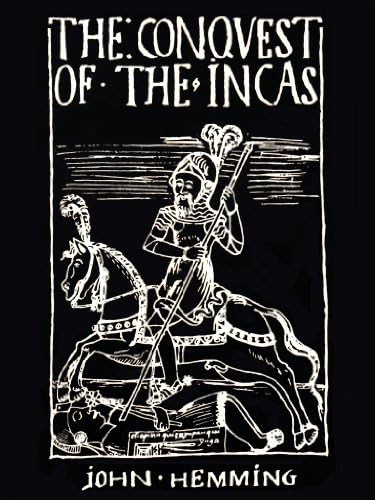
Tom Holland and Dominic Sandbrook continue their exploration of the Spanish conquest of Peru, focusing on Francisco Pizarro's capture of Cusco and the systematic looting of Inca gold. The episode draws extensively from Peter Shaffer's historically researched play The Royal Hunt of the Sun and John Hemming's comprehensive study The Conquest of the Incas.
The narrative follows Pizarro's 800-mile march from Cajamarca to Cusco in 1533-1534, his installation of puppet emperor Manco, and the massive gold-melting operation that followed. The story expands to cover the northern campaigns against Inca generals Quisquis and the drum-making warlord Ruminyawi, while introducing the return of conquistador Pedro de Alvarado and his characteristically disastrous expedition.
The episode culminates with growing tensions as Spanish settlers flood into Peru demanding land grants, setting the stage for Manco's eventual rebellion against his Spanish allies.
The March to Cusco and Manco's Rise
After executing Atahualpa, Pizarro installed Tupac Hualpa as puppet emperor, but he died mysteriously during the 800-mile march south to Cusco.
Manco, Huascar's younger brother, emerged from hiding to claim the throne, telling Pizarro 'I am the new candidate of the southern faction in the civil war.'
The Conquest of the Incas describes Pizarro's Andean crossing as requiring the tiny Spanish force to 'force its way into the heart of an enormous hostile empire.'
Spanish forces benefited from tribal allies including the Wanka people, who supported them against Atahualpa's northern armies.
The Golden Temple and Cusco's Treasures
The Royal Hunt of the Sun accurately depicted Coricantsha temple's 'walls plated with gold' and garden with 'twenty golden llamas grazing with their kids.'
Spanish conquistador Diego de Trujillo described entering the temple despite the high priest's warning: 'Anyone who enters here has to fast for a year beforehand.'
The sacred Punchau sun image, described as 'made of gold, beautifully wrought and set with many precious stones,' vanished and was never recovered.
Manco's coronation featured mummified emperors with preserved 'fingernails, hair, teeth, and other things' while 'two wide drains ran with urine as abundantly as a flowing spring.'
The Drum-Making Warlord and Northern Campaign
Warlord Ruminyawi murdered rival Kilis Kacha at a fake celebration, then 'extracted all the bones through a certain part' to create a functional kettle drum.
The Battle of Mount Chimborazo involved 50,000 fighters, with Spanish cavalry 'trampling the Indians under their horses and causing great bloodshed with their lances.'
General Quisquis refused surrender, telling his men 'I would rather starve in the wilds than bend the knee,' but was bludgeoned to death by his own officers.
Ruminyawi was eventually captured by Miguel de la Chica 'leaning against a tree' by a mountain lake and executed in Quito's main square in 1535.
Pedro de Alvarado's Disastrous Return
Pedro de Alvarado landed in Ecuador with 500 Spanish infantry and 4,000 Guatemalans, immediately engaging in 'unnecessary cruelty to the coastal tribes.'
Alvarado's expedition became lost in jungle, caught in volcanic eruption, then took wrong mountain pass where 85 Spaniards died of exposure.
All Guatemalan porters and camp followers 'literally freeze to death' as predicted by Panama official who warned they were 'from a hot country going to a cold one.'
After the disasters, Alvarado sold his equipment to Almagro for 100,000 gold pieces and agreed to leave Peru permanently.
The Great Gold Heist and Colonial Transformation
Spanish forces discovered Cusco contained 'four times as much silver as the Spanish have already shared out' from previous conquests.
The melting operation began December 15, 1533, with 'forges roaring day and night' for two months to produce 'colossal horde of gold and silver bars.'
Pizarro founded Lima in January 1535, originally called Ciudad de los Reyes, as Spanish settlers flooded Peru demanding land grants.
The encomienda system granted Spanish settlers 'huge tracts of land' and 'thousands of laborers' despite royal officials' protests about giving away 'other people's lands.'

These notes may contain occasional inaccuracies. Learn how podbrain notes are made
More in History

679. Germany: The Song Hitler Stole (Part 3)
Jun 14, 2026
Tom Holland Meets Paul McCartney
May 14, 2026Greece vs. Persia: The Battle of Marathon (Part 2)
May 13, 2026
Adolf Hitler (Part 3)
May 13, 2026Greece vs Persia: The Rise of the First Superpower (Part 1)
May 10, 2026.svg)