
The Fall of the Incas: Death to the Emperor (Part 3)
This episode features historians Tom Holland and Dominic Sandbrook continuing their series on the fall of the Inca Empire, drawing from The Royal Hunt of the Sun by Peter Shaffer and historical accounts of the Spanish conquest. The...

Episode


- 01
Atahualpa's ransom was the largest in history - 11 tons of gold melted down over seven weeks, worth tens of billions in today's money
- 02
"The most evil deed the Spaniards have done in all the empire of the Indies" - Pedro Cieza de León on Atahualpa's execution
- 03
Chalcuchima's decision to accompany Spanish forces was "one of the turning points in the collapse of resistance" - John Hemming
- 04
Charles V was "displeased by the death of Atahualpa since he was a monarch" and threatened investigation into Pizarro's actions
- 05
The Spanish built nine forges burning 600 pounds of gold daily, destroying priceless Inca artifacts to create standardized bars
- 06
Atahualpa strategically targeted temples in Cusco and Pachacamac - his brother's territories - for Spanish looting during the civil war
- 07
Only three Spanish volunteers traveled 750 miles to Cusco's sun temple, stripping gold plates while Inca general Kiskis watched
- 08
Pizarro's partnership with Almagro fractured over treasure division, with Almagro receiving only "crumbs" despite bringing 150 reinforcements
Get the latest ideas from The Rest Is History.
Plus the best new takeaways about history from other top podcasts — read in minutes, not hours.
By continuing, you agree to podbrain's Terms and Privacy Policy.
These notes may contain occasional inaccuracies. Learn how podbrain notes are made
This episode features historians Tom Holland and Dominic Sandbrook continuing their series on the fall of the Inca Empire, drawing from The Royal Hunt of the Sun by Peter Shaffer and historical accounts of the Spanish conquest. The narrative picks up in November 1533 with Atahualpa imprisoned in Cajamarca after his capture by Francisco Pizarro's conquistadors.
The episode chronicles the famous ransom negotiation where Atahualpa promised to fill a room with gold as high as he could reach - a white line drawn 8 feet up the wall, as both hosts remember from R.J. Unstead's refref-book-book-of-world-historyrefref-book-book-of-world-historyBook of World History from their childhoods. The story follows the arrival of treasure from across the empire and the mounting tensions between Spanish factions.
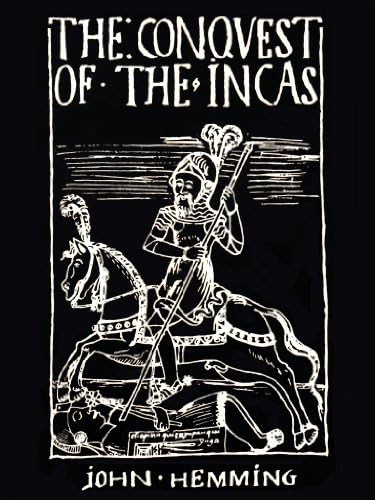
Central to the narrative is the analysis from The Conquest of the Incas by John Hemming, which provides crucial insights into the strategic mistakes of Inca generals and the paranoia that ultimately led to Atahualpa's execution. The episode explores the complex relationship between captor and captive, the devastating impact of Spanish greed, and the tragic end of the last independent Inca emperor.
The Morning After Capture: Pizarro's Promise and Atahualpa's Gambit
Pizarro reassured the terrified Atahualpa: "We Christians have gone to many countries, we've met many mighty rulers, and we've made them all our friends and vassals"
Atahualpa's army of 70,000-80,000 men offered no resistance when Hernando de Soto arrived, following orders to "wait for my commands" and even making signs of the cross
The famous ransom proposal emerged when Atahualpa saw Spanish excitement over his "table service" - 80,000 pesos of gold and 7,000 marks of silver from his camp
"I can fill this room with gold as high as I can reach" - Atahualpa's legendary offer to fill a 22x17 foot room to 8 feet high within two months
Life in Captivity: The Unlikely Bond Between Emperor and Conquistador
Atahualpa was described as "a large face, handsome and fierce, eyes reddened with blood" who "spoke with much gravity" and played chess skillfully
His most prized possession was "the severed head of Atok with silver spout and golden bowl" - he drank chicha beer from his enemy's skull while "thinking about the war"
Daily rituals included being fed by beautiful women with bare hands, spitting into their cupped palms, and wearing tunics made from vampire bat skin
Everything touched by the Sapa Inca was burned and "thrown to the winds since no one else was allowed to touch it" - demonstrating his absolute divine authority
Strategic Targeting: Atahualpa's Civil War Through Spanish Eyes
Atahualpa ordered Huascar's murder at Andamarca while being transported north, ensuring his brother couldn't become a Spanish alternative puppet ruler
He strategically directed Spanish forces to two sacred temples: Pachacamac (whose oracle had made "disastrous predictions") and Cusco's Coricancha sun temple
"This is a brilliant way of punishing Cusco for backing my brother" - Atahualpa used Spanish greed to destroy his civil war enemies' strongholds
The Pachacamac raid yielded no treasure, but the oracle's failed prophecies (Huayna Capac's death, Huascar's victory) had already discredited the priesthood
Chalcuchima's Fatal Decision: The General Who Walked Into Captivity
The Conquest of the Incas identifies Chalcuchima as "the one man who might have united the Empire against the Spaniards" due to his service under Atahualpa's father
Despite commanding 35,000 men against a few dozen exhausted Spanish, Chalcuchima inexplicably agreed to accompany Hernando Pizarro to Cajamarca
"This decision was a tragic mistake, one of the turning points in the collapse of resistance" - John Hemming's assessment of the general's surrender
Spanish tortured Chalcuchima with fire, burning his "legs and arms with tendons shriveled" while Atahualpa watched helplessly, demonstrating their "light grilling" expertise
The Great Melting: Destroying Inca Civilization for Spanish Gold
Nine forges operated continuously for seven weeks, melting "more than 600 pounds of gold a day" - totaling 11 tons of priceless Inca artifacts
Three Spanish volunteers traveled 750 miles to Cusco's Coricancha temple, stripping "giant gold plates off the walls" while Inca general Kiskis provided tools
The Cusco haul alone yielded "14,000 pounds of gold, 26,000 pounds of silver" - 20 metric tons carried by hundreds of porters across the Andes
"At the lowest, it's billions of dollars in today's money. At the highest, tens and tens of billions" - the ransom's unprecedented scale in economic history
Partnership Fractures: Almagro's Arrival and the Division of Spoils
Diego de Almagro arrived with 150 reinforcements and royal officials, forcing Atahualpa to realize "this looks more like an invasion" than a raid
Pizarro's treasure distribution gave horsemen 90 pounds of gold each, while he kept seven times that amount plus Atahualpa's solid gold throne
"I think what would be best is for you to get just a little token amount" - Pizarro's betrayal of his business partner despite their original agreement
Pizarro sent brother Hernando to Spain with gold and reports, knowing "I must get the king on side" to avoid Cortés-style legal troubles
The Trial and Execution: Paranoia, Politics, and the Death of an Emperor
Spanish paranoia peaked with rumors of "200,000 people from Quito and 30,000 Caribs who eat human flesh" approaching under commander Rumiñawi
"The key to the story is the hysteria and paranoia that has now seized the Spaniards" - John Hemming's analysis of the psychological pressure on the conquistadors
The kangaroo court charged Atahualpa with "idolatry, heresy, regicide, fratricide, treason, polygamy, and incest" - throwing every possible accusation at him
Atahualpa accepted baptism as "Francisco" to avoid burning, which would prevent his mummification and entry into the Inca afterlife paradise Hananpacha
Charles V's reaction was swift condemnation: "We have been displeased by the death of Atahualpa since he was a monarch" and threatened investigation

These notes may contain occasional inaccuracies. Learn how podbrain notes are made
More in History

679. Germany: The Song Hitler Stole (Part 3)
Jun 14, 2026
Tom Holland Meets Paul McCartney
May 14, 2026Greece vs. Persia: The Battle of Marathon (Part 2)
May 13, 2026
Adolf Hitler (Part 3)
May 13, 2026Greece vs Persia: The Rise of the First Superpower (Part 1)
May 10, 2026.svg)