
The Outlier Playbook: The Patterns Behind Enduring Success
Shane Parrish hosts this episode of The Knowledge Project, examining patterns from history's greatest business outliers including Harvey Firestone (Firestone Tires), James Dyson (Dyson), Estee Lauder (cosmetics empire), Henry Singleton (Teledyne), Rose Blumpkin (Nebraska Furniture Mart), Jim Clayton (Clayton Homes)...

Episode


- 01
Harvey Firestone slashed tire prices 25% during the 1920 recession, saying 'the situation did not frighten me, it put new life into me'
- 02
James Dyson built 5,127 vacuum prototypes - 5,126 failures - before creating his revolutionary cyclone design that major companies initially rejected
- 03
Estee Lauder waited 8+ hours in a receptionist's office, demonstrating what she called 'immovable stubbornness that will not allow you to cave in'
- 04
Henry Singleton bought back 90% of Teledyne's shares over 12 years, earning shareholders 20.4% annual returns through rational capital allocation
- 05
Saul Price's 'intelligent loss of sales' system deliberately avoided carrying multiple sizes, reducing costs by focusing on 80% payroll savings
- 06
Les Schwab gave store managers 50% ownership stakes, proving 'my half is worth more than my whole used to be' through aligned incentives
- 07
Andrew Mellon's $25,000 aluminum investment became Alcoa by seeing entire ecosystems rather than individual problems
- 08
Jim Clayton kept all factories open during the 1974 industry collapse while competitors fired staff, following the motto 'the country is in a recession, Clayton Homes is not'
Get the latest ideas from The Knowledge Project Podcast.
Plus the best new takeaways from other top podcasts — read in minutes, not hours.
By continuing, you agree to podbrain's Terms and Privacy Policy.
These notes may contain occasional inaccuracies. Learn how podbrain notes are made
Shane Parrish hosts this episode of The Knowledge Project, examining patterns from history's greatest business outliers including Harvey Firestone (Firestone Tires), James Dyson (Dyson), Estee Lauder (cosmetics empire), Henry Singleton (Teledyne), Rose Blumpkin (Nebraska Furniture Mart), Jim Clayton (Clayton Homes), Saul Price (Price Club/Costco), Andrew Mellon (banking/aluminum), and Les Schwab (tire retail).
Through 15 years of reading biographies, Parrish identifies four core patterns that separate true outliers from those who are merely lucky or talented. These business leaders faced catastrophic setbacks including bankruptcies, fires, and market crashes, yet used adversity as fuel for extraordinary success.
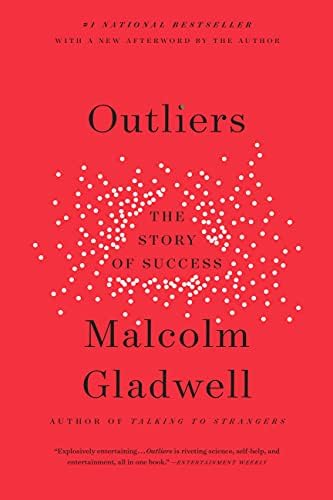
The episode explores how these outliers developed a 'taste for salt water' during hard times, maintained relentless bias toward action, built systems to scale while keeping things simple, and understood they were selling invisible products beyond their core offerings. While the concept of Outliers by Malcolm Gladwell focuses on external factors, this analysis reveals internal patterns of resilience and strategic thinking.
The Taste for Salt Water: Thriving in Catastrophe
Harvey Firestone returned from vacation in 1920 to find his company $43 million in debt with zero tire sales, but rather than panic, he wrote 'the situation did not frighten me, it put new life into me' and immediately slashed prices 25%.
James Dyson built 5,127 vacuum prototypes over several years, with his wife's teacher salary as their only income, demonstrating that '5,126 failures weren't the end of his story' but the foundation for revolutionary cyclone technology.
Estee Lauder waited over 8 hours in a receptionist's office to see a cosmetics buyer, exemplifying what she called 'the immovable stubbornness that will not allow you to cave in when everyone else says give up.'
Rose Blumpkin's husband declared 'we'll starve to death' during the Great Depression, but she responded by cutting margins to 10% over cost and taking immediate action rather than forming committees or writing business plans.
Bias Toward Action: Do It Now Philosophy
Saul Price was fired at age 60 and had locks changed on his office, but he leased space one floor up and hung two signs: 'The Price Company' and 'Do It Now' - his daily elevator rides past his old office became motivation rather than torture.
Rose Blumpkin faced a three-alarm fire that destroyed half her store in 1961, but showed up the next day announcing 'We're opening tomorrow' and ran a successful fire sale, later rebuilding after a tornado at age 97.
Jim Clayton lost his Volvo dealership when a bank president said 'Let's bankrupt these little SOBs, I can't be late for my tennis match,' but formed a new company the next day and bought back their seized inventory at the bank's own auction.
Ryan Armstrong's principle that 'action produces information' captures the outlier mindset - when uncertain, do anything rather than wait, as even wrong actions generate valuable data for course correction.
Systems to Scale: Simplicity Over Complexity
Saul Price developed 'intelligent loss of sales' - deliberately refusing to stock multiple sizes of products like three-in-one oil, carrying only the eight-ounce bottle because '80% of a retailer's cost is payroll' and fewer SKUs meant lower handling costs.
Henry Singleton executed the most aggressive stock buyback in corporate history, repurchasing 90% of Teledyne shares over 12 years after realizing he could buy back stock at 8-12 times earnings that he'd previously issued at 20-40 times earnings.
Jim Clayton revolutionized mobile home manufacturing by instituting systematic quality control and precise measurements, building double-wides as single units then sawing them in half, while competitors used 'sledgehammers and skill saws to pound them together.'
Andrew Mellon operated through silence and precision questioning, using 'sharp blue daggers' eyes to study balance sheets while asking laser-focused questions like 'What makes you think so?' and 'Can this be owned?'
Understanding the Invisible Product
Les Schwab built a $3 billion tire empire by selling ownership to employees rather than just tires to customers - store managers like Gordon Priday lived in converted fruit stands because they owned equity, not just jobs.
Estee Lauder refused to leave cream samples at a salon, insisting 'Just let me show you how they work' because she understood the product wasn't the cream but the transformation customers experienced when using it properly.
Jim Patterson learned to sell 'souvenir editions of the day the war ended' rather than newspapers when Germany surrendered in 1945, realizing he wasn't selling ink on paper but history and story.
Estee Lauder created Youth Dew as 'bath oil' rather than perfume, giving women permission to buy luxury fragrance for themselves rather than waiting to receive it as gifts from men, fundamentally changing industry purchasing patterns.
These notes may contain occasional inaccuracies. Learn how podbrain notes are made
More in Self-Development

Can the Middle Class Be Saved? Political Division, Economic Doom & The Leadership Problem | Andrew Bustamante Pt. 2
Jun 20, 2026
The Career Trap That Makes Women Miserable - Suzanne Venker - #1113
Jun 20, 2026
How Immigration and War Test the Strength of Values and National Identity
Jun 19, 2026
7 Strategies for Becoming a Better Father | FRIDAY FIELD NOTES
Jun 19, 2026
ELECTROMAGNETISM Is The SECRET To Health: Biofield Tuning Explained | Eileen McKusick
Jun 15, 2026
.svg)