
[Outliers] Phil Knight: The Obsession That Built Nike
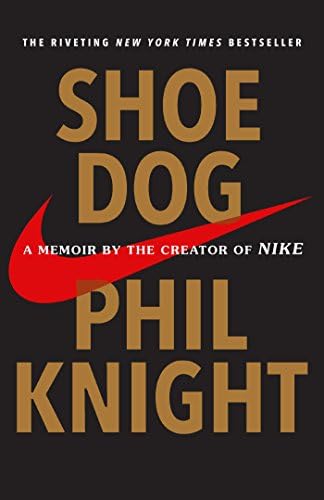
This episode explores Shoe Dog by Phil Knight, the memoir of Nike's founder that chronicles how a $1,000 loan and a crazy idea about importing Japanese running shoes became the world's most famous athletic brand. Knight, an introverted accountant who failed at...

Episode

![The Knowledge Project Podcast episode thumbnail: [Outliers] Phil Knight: The Obsession That Built Nike](https://podbrain.gumlet.io/storage/v1/object/public/thumbnails/taddy-6ad5c0b5-3f88-48d2-a6b6-e62ba5d65fd6.webp?w=1200&h=630&mode=fill&q=85&format=auto)
- 01
Phil Knight's belief that 'belief is irresistible' - genuine conviction in what you're building becomes contagious and stops requiring traditional sales techniques
- 02
Nike's 'fail fast' philosophy meant accepting worst-case scenarios upfront to remove fear's power over decision-making, not celebrating actual failure
- 03
Knight's management style followed General Patton's wisdom: 'Don't tell people how to do things, tell them what to do, and let them surprise you with the results'
- 04
The waffle sole innovation came from Bill Bowerman pouring rubber into his wife's waffle iron, proving breakthrough ideas don't require expensive labs
- 05
Nike's customs battle cost $9 million when competitors used government bureaucracy as a weapon after failing to compete in the marketplace
- 06
The company went public at $22 per share in 1980, making Knight worth $170 million but ending the family-like culture he originally wanted to preserve
- 07
Bob Woodle's parents invested their entire $8,000 life savings in Nike because 'if you can't trust the company your son is working for, then who can you trust?'
- 08
Nike accidentally created the lifestyle athletic shoe market when Knight ordered waffle trainers in blue to match jeans, transforming athletic wear into everyday fashion
Get the latest ideas from The Knowledge Project Podcast.
Plus the best new takeaways from other top podcasts — read in minutes, not hours.
By continuing, you agree to podbrain's Terms and Privacy Policy.
These notes may contain occasional inaccuracies. Learn how podbrain notes are made
This episode explores Shoe Dog by Phil Knight, the memoir of Nike's founder that chronicles how a $1,000 loan and a crazy idea about importing Japanese running shoes became the world's most famous athletic brand. Knight, an introverted accountant who failed at selling encyclopedias, built Nike through two decades of near-daily survival crises including bank rejections, supplier betrayals, FBI investigations, and a $25 million government customs bill.
The story reveals Knight's unconventional leadership philosophy of hiring misfits and giving them complete autonomy, his partnership with legendary coach Bill Bowerman who invented the waffle sole, and the series of trust-based relationships that kept the company alive when traditional business metrics suggested it should fail. As referenced through James Clear's insights in Atomic Habits, Knight's genuine belief in running and his products made him 'dangerous' to compete with because he was having fun rather than just trying to make money.
The Power of Genuine Belief Over Sales Technique
Knight failed miserably selling encyclopedias and mutual funds but became unstoppable selling Japanese running shoes because 'I believed in running. I believed that if people got out and ran a few miles every day, the world would be a better place' - Phil
His core insight: 'Belief, I decided, belief is irresistible' - when people sensed his genuine conviction, they wanted some of that belief for themselves
As James Clear noted in conversation about Atomic Habits principles: 'if you're having fun, then you're dangerous. You're hard to compete with' - Knight embodied this by not paying himself for years because Nike wasn't just business, it was him
Fail Fast Philosophy: Accepting Worst Case to Remove Fear
Knight's 'fail fast' mantra didn't celebrate failure but involved thinking through worst-case scenarios upfront to change his relationship with fear
'If Blue Ribbon went bust, I'd have no money and I'd be crushed. But I'd also have some valuable wisdom, which I could apply to the next business. Wisdom seemed an intangible asset, but an asset all the same' - Phil
By accepting potential failure as 'tuition,' fear stopped blinding him: 'When you see only problems, you're not seeing clearly' - this clarity enabled big swings and bold decisions
Trusting Misfits with Complete Autonomy
Knight hired oddballs like Jeff Johnson (obsessive letter writer), Bob Woodle (paralyzed runner), and other misfits nobody else would bet on, following General Patton's principle
'Don't tell people how to do things, tell them what to do, and let them surprise you with the results' - Phil's management philosophy that capped upside at his imagination versus theirs
His team called themselves 'Buttfaces' from brutally honest retreats and rewarded his trust with devotion, not because he paid well or praised constantly, but because he saw potential others missed
The Waffle Iron Innovation That Changed Everything
Bill Bowerman, Nike's co-founder and legendary Oregon track coach, invented the waffle sole in 1971 by pouring rubber into his wife's waffle iron during Sunday breakfast
The waffle squares became treads that gripped better than anything on the market - grass, track, pavement - without adding weight, becoming foundation for the waffle trainer
The destroyed waffle iron, later recovered from a garbage pit, now sits in Nike headquarters as proof that breakthrough innovation doesn't require expensive labs or big budgets
Survival Through Trust-Based Relationships
When Nike was legally insolvent in 1970 with zero cash, Bob Woodle's parents offered their entire $8,000 life savings at no interest to save the company
'If you can't trust the company your son is working for, then who can you trust?' - Mrs. Woodle's reasoning for the investment that had no spreadsheet justification
Japanese partner Nishu's executive 'The Iceman' paid off Nike's entire bank debt when the FBI investigated, saying 'there are worse things than ambition' and calling the bank's actions 'such stupidity'
Accidental Creation of Athletic Lifestyle Market
Knight's small decision to order waffle trainers in blue to match jeans created an enormous shift: 'People might start wearing this thing to class and the office and the grocery store'
'We couldn't make enough. Retailers and sales reps were on their knees pleading for all the waffle trainers we could ship' - the moment Nike stopped being just a running company
This transformed Nike from selling performance to selling identity, accidentally creating the athletic lifestyle market that dominates fashion today
The $25 Million Customs War and Going Public
Competitors who couldn't beat Nike in the market weaponized government bureaucracy, getting a retroactive customs rule applied that demanded $25 million when Nike's entire revenue was $24 million
Knight learned that 'winning creates enemies' - success doesn't end the fight, it changes the arena from marketplace to courtrooms and government halls
Nike went public December 2, 1980 at $22 per share, making Knight worth $170 million but ending the family culture: 'I wanted to build something that would last, but I also wanted to build something that would stay small enough to feel like family. You can't have both'

These notes may contain occasional inaccuracies. Learn how podbrain notes are made
More in Self-Development

Can the Middle Class Be Saved? Political Division, Economic Doom & The Leadership Problem | Andrew Bustamante Pt. 2
Jun 20, 2026
The Career Trap That Makes Women Miserable - Suzanne Venker - #1113
Jun 20, 2026
How Immigration and War Test the Strength of Values and National Identity
Jun 19, 2026
7 Strategies for Becoming a Better Father | FRIDAY FIELD NOTES
Jun 19, 2026
ELECTROMAGNETISM Is The SECRET To Health: Biofield Tuning Explained | Eileen McKusick
Jun 15, 2026
.svg)