
Why Free Markets Are Masculine | FRIDAY FIELD NOTES
This episode features a passionate defense of free market capitalism as fundamentally aligned with masculine virtues. The host argues that economic systems requiring risk, accountability, and competition are what transform boys into men, while socialist alternatives promote dangerous dependency.

Episode


- 01
"You cannot win if you are not willing to lose" - risk-taking is essential masculine DNA that builds character
- 02
Free markets demand accountability, competition, and personal responsibility - exactly what turns boys into men
- 03
Socialism promises security in exchange for sovereignty, creating dependence that destroys masculine purpose
- 04
"The free market does not care about your excuses" - it rewards value creation and punishes value destruction
- 05
Men are checking out at historic rates while being sold on less personal responsibility and government dependency
- 06
Competition drives men to excellence - "if I gave you a bow and arrow without a target, how long would men sit around?"
- 07
Justice means getting what you deserve, both positive and negative - mercy without justice creates mediocrity
- 08
Crony capitalism and corporatism are not free markets - they're rigged systems worth fighting against
Get the latest ideas from Order of Man.
Plus the best new takeaways about economics from other top podcasts — read in minutes, not hours.
By continuing, you agree to podbrain's Terms and Privacy Policy.
These notes may contain occasional inaccuracies. Learn how podbrain notes are made
This episode features a passionate defense of free market capitalism as fundamentally aligned with masculine virtues. The host argues that economic systems requiring risk, accountability, and competition are what transform boys into men, while socialist alternatives promote dangerous dependency.
The discussion emerges from concern about rising socialist sentiment among young men, particularly as housing becomes unaffordable and wages stagnate. Rather than viewing government intervention as salvation, the host frames free markets as the arena where men develop character through struggle and earned achievement.
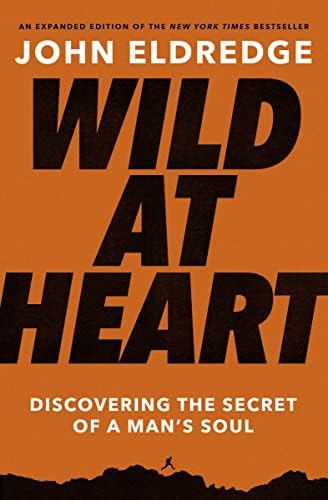
Drawing from Citizenship in a Republic by Theodore Roosevelt and Wild at Heart by John Eldredge, the conversation explores five core reasons why free markets align with masculinity: personal responsibility, risk-taking, independence, earned respect, and competition. The host also acknowledges threats to free markets, including crony capitalism and consumerism without purpose.
The Crisis of Masculinity and Economic Dependency
Men are experiencing historic disengagement from work, education, and civic life while being sold on the idea that government should guarantee outcomes and level playing fields.
"Socialism promises security in exchange for your sovereignty. And a man who trades out his sovereignty for security, I think you're going to find out that you've made a very bad deal."
The free market offers a harder but more honest proposition: "to compete, to create something great, to take risk in your life, to earn your reward, to eat what you kill."
Five Core Masculine Principles of Free Markets
Personal responsibility: "The free market does not care about your excuses" - it rewards value creation and punishes value destruction without grading on curves.
Risk and reward: "You cannot win if you are not willing to lose. Risk-taking is the masculine DNA" - from hunters venturing alone to founders betting everything on ideas.
Independence and self-reliance: Free markets reward the drive to provide and solve problems, while government dependency displaces men from their natural role as providers.
Earned respect versus entitlement: "There's a reason that nobody respects a handout because deep down we all know the difference between what was earned and what was given."
Competition drives excellence: Men thrive when competing, as illustrated by the observation that "if I gave you a bow and arrow without a target, how long would men sit around and shoot the bow?"
The Arena Metaphor and Character Building
Drawing from Citizenship in a Republic, "Every man who ever built something, a business, a family, a legacy for himself, did it by walking into that arena that Theodore Roosevelt talks about, taking hits, getting back up."
"When you remove risk, you also remove growth. You remove the factors that build your character. And a man who has never risked anything, I don't think has really ever lived his life fully."
The host's son's successful 120-yard pig hunting shot demonstrated how elevated pressure and competition help men achieve beyond expectations.
Justice Versus Mercy in Economic Systems
"What's more important? Justice or mercy?" - Justice means getting exactly what you deserve, both positive and negative outcomes.
"It's not fair to create environments that take from somebody else and give to somebody who hasn't earned it. That isn't justice."
Today's culture overemphasizes mercy without justice, creating systems that protect inefficiency and penalize success, producing mediocrity instead of fairness.
Threats to Free Markets and Masculine Purpose
Crony capitalism is not free markets: "When you hear one of these blue-headed, blue-haired liberals talk about why they hate capitalism, they're not talking about free markets... they're upset about rigged markets."
Consumerism without purpose creates "empty hollow men" when consumption becomes identity rather than markets serving larger purposes like family, community, and legacy.
Citing Wild at Heart: "Deep in his heart, every man longs for a battle to fight, an adventure to live, and a beauty to rescue. And if you don't have those three things, you're dead."
The "hard men create good times, good times create weak men" cycle threatens masculine development when prosperity eliminates necessary adversity and struggle.

These notes may contain occasional inaccuracies. Learn how podbrain notes are made
More in Self-Development

Can the Middle Class Be Saved? Political Division, Economic Doom & The Leadership Problem | Andrew Bustamante Pt. 2
Jun 20, 2026
The Career Trap That Makes Women Miserable - Suzanne Venker - #1113
Jun 20, 2026
How Immigration and War Test the Strength of Values and National Identity
Jun 19, 2026
7 Strategies for Becoming a Better Father | FRIDAY FIELD NOTES
Jun 19, 2026
ELECTROMAGNETISM Is The SECRET To Health: Biofield Tuning Explained | Eileen McKusick
Jun 15, 2026
.svg)