
TONY BOVA | The Standard You Set Is The Life You Get
Ryan Michler hosts Tony Bova, a mindset coach and speaker who has navigated divorce, addiction, and dismantled his nice guy identity. Tony emerged with a mission to help men stop shrinking and start leading in relationships, homes, and their own minds.

Episode


- 01
Tony Bova describes the 'nice guy trap' as men playing by rules, being agreeable, yet feeling invisible and disrespected inside
- 02
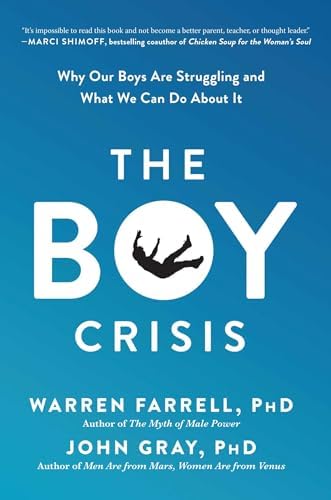
Research from The Boy Crisis shows fathers teach daughters they can be loved without sex entering the equation
- 03
"Make it impossible for me not to choose you" - Tony's standard for relationships requires mutual high-level commitment
- 04
Men lose all credibility when they match a woman's emotional energy during conflict due to biological size and strength differences
- 05
"It might not be your fault, but it is your responsibility" - Tony on taking ownership in relationships
- 06
Discipline is making small choices daily: whether to open the fridge, work out, or have difficult conversations
- 07
"I can handle everything you've experienced, but I'll never tolerate making your experience my fault" - Tony's relationship boundary
- 08
Vulnerability should include a plan to fix the weakness, not just emotional dumping without solutions
Get the latest ideas from Order of Man.
Plus the best new takeaways about relationships from other top podcasts — read in minutes, not hours.
By continuing, you agree to podbrain's Terms and Privacy Policy.
These notes may contain occasional inaccuracies. Learn how podbrain notes are made
Ryan Michler hosts Tony Bova, a mindset coach and speaker who has navigated divorce, addiction, and dismantled his nice guy identity. Tony emerged with a mission to help men stop shrinking and start leading in relationships, homes, and their own minds.
The conversation explores the internal work of masculinity that nobody talks about - rewriting personal narratives, honoring your word in small moments, having avoided conversations, and building something more durable than romantic honeymoon phases. Tony draws from his experience as a former state police homicide investigator and his current relationship coaching work.
They discuss how modern culture has rejected masculinity, the damage from certain Red Pill movement approaches, and the importance of stepping into authentic masculinity. The discussion covers practical frameworks for difficult conversations, relationship boundaries, and the difference between healthy vulnerability and emotional dumping.
The Nice Guy Trap and Cultural Masculinity Rejection
Tony identifies the 'nice guy trap' where men follow rules, stay agreeable and conflict-avoidant, yet feel invisible, disrespected, and hollow inside.
The Red Pill movement had accurate diagnosis about society rejecting men but wrong prescription, leaving men with external achievements but still drunk, miserable, and isolated.
"It's good to be dangerous" - Tony on embracing masculine traits that culture has taught men to suppress.
True masculinity involves internal work and story-telling rather than external displays of accomplishment or status.
Discipline Through Small Daily Choices
Tony reframed discipline from external control to small daily choices: opening the fridge, working out, or reacting to triggers in relationships.
"It's all in the small, it's like the simplest things, but it gets really complicated because of whatever happened when we were younger" - Tony on how past pain creates avoidance patterns.
Each moment offers a choice in how to respond, especially when triggered by a partner's words or actions.
Difficult conversations become easier with practice and often lead to deeper connection rather than the feared negative outcomes.
Relationship Dynamics and Emotional Responsibility
"It might not be your fault, but it is your responsibility" - men must accept unequal standards in relationships due to biological differences.
When men match women's emotional energy during conflict, they lose all credibility because size and strength differences create different safety perceptions.
Women constantly test for safety, and male emotional outbursts trigger fight-or-flight responses that damage trust long-term.
"She actually just wants to be seen, heard, and understood" rather than having problems solved, which conflicts with male solution-driven nature.
The Importance of Fathers in Daughters' Lives
Research from The Boy Crisis by Warren Farrell shows present fathers teach daughters they can be loved without sex entering the equation.
Without present fathers, daughters learn the path of least resistance to male attention is through sexualization, leading to higher rates of early pregnancy and children out of wedlock.
Tony emphasizes having direct conversations with his daughters about sex, money, and alcohol to set healthy narratives before peers and social media influence them.
"I want to be the first one to have this conversation so I can set the narrative" - Tony on proactive parenting discussions.
Setting Boundaries and High Standards
Tony's relationship boundary: "I can handle everything you've experienced, but I'll never tolerate making your experience my fault."
"Make it impossible for me not to choose you" - Tony's standard requiring mutual high-level commitment rather than settling.
When Sabrina texted "I miss you" and Tony didn't respond in kind, he used it as an opportunity to explain authentic communication versus people-pleasing.
Elevating personal standards above others' expectations removes their control and creates freedom, as demonstrated in Tony's state police GPS tracking example.
Proper Vulnerability Versus Emotional Dumping
Ryan's castle analogy: pointing out wall weaknesses without repair plans creates insecurity, but identifying problems with solutions builds trust.
"Vulnerability should include a plan to fix the weakness, not just emotional dumping without solutions" - proper masculine vulnerability requires action orientation.
Modern vulnerability often becomes emotional dumping hoping others will provide love and care, which creates emotional unsafety.
True vulnerability involves calculated risk-taking and sharing experiences as gifts rather than seeking rescue or validation.
These notes may contain occasional inaccuracies. Learn how podbrain notes are made
More in Self-Development

Can the Middle Class Be Saved? Political Division, Economic Doom & The Leadership Problem | Andrew Bustamante Pt. 2
Jun 20, 2026
The Career Trap That Makes Women Miserable - Suzanne Venker - #1113
Jun 20, 2026
How Immigration and War Test the Strength of Values and National Identity
Jun 19, 2026
7 Strategies for Becoming a Better Father | FRIDAY FIELD NOTES
Jun 19, 2026
ELECTROMAGNETISM Is The SECRET To Health: Biofield Tuning Explained | Eileen McKusick
Jun 15, 2026
.svg)