
RYAN LEE | This is Why Most Men Stay Broke
Ryan Mickler hosts Ryan Lee, financial strategist, entrepreneur, and co-founder of Cashflow Tactics, who has helped thousands of men achieve financial freedom. Lee is author of...

Episode


- 01
The greatest lie is that hard work alone guarantees financial success - many men grind daily but remain trapped by debt and fear
- 02
Think and Grow Rich introduced the concept of 'major definite aim' - giving yourself permission to dream and define what you actually want
- 03
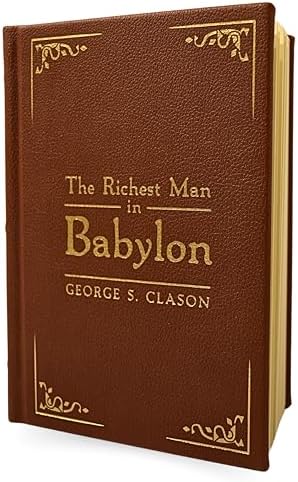
The Richest Man in Babylon teaches that '10% of all I make is mine to keep' - the foundation of wealth building
- 04
Four wealth forces exist: inflation, interest rates, taxes, and opportunity cost - they either work for you or against you
- 05
Rich Dad Poor Dad reveals cash flow is the measurement of success, not net worth - focus on assets that generate income
- 06
Real estate investing follows Robert Allen's framework: buy two single-family homes per year for 10 years to achieve financial freedom
- 07
The dependency economy keeps you trapped - hand money to others and hope for returns versus the ownership economy of controlling real assets
- 08
Ryan Lee went from $100,000 to $28,000 net worth in 2008, then achieved financial freedom in 4 years through real estate cash flow
Get the latest ideas from Order of Man.
Plus the best new takeaways about wealth building from other top podcasts — read in minutes, not hours.
By continuing, you agree to podbrain's Terms and Privacy Policy.
These notes may contain occasional inaccuracies. Learn how podbrain notes are made
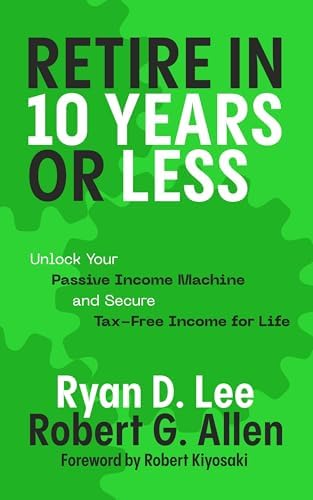
Ryan Mickler hosts Ryan Lee, financial strategist, entrepreneur, and co-founder of Cashflow Tactics, who has helped thousands of men achieve financial freedom. Lee is author of refref-inline-retire in 10 years o-mnedu42fRetire in 10 Years or Less Unlock Your Passive Income Machine, co-authored with Robert Kiyosaki and Robert Allen.
The conversation explores the weight of financial responsibility that every man feels as a provider, examining both mindset and tactical approaches to wealth building. Lee shares his journey from corporate dependency to financial freedom through real estate investing, challenging conventional retirement planning.
They discuss the fundamental rules of money, the difference between the dependency economy versus ownership economy, and practical frameworks for building cash flow through real assets rather than traditional Wall Street approaches.
The Provider's Burden and Financial Mindset Foundations
Every man feels the acute weight of being the primary provider - 'when there's financial troubles, the man feels that to his soul' - Ryan Lee
Financial strength enables abundance in other life areas: 'when I'm financially strong, it gives me more permission to show up mentally, spiritually, physically, and emotionally strong' - Ryan Lee
Think and Grow Rich by Napoleon Hill introduced the 'major definite aim' concept - most people never give themselves permission to define what they actually want in life
Money has no purpose without clear goals: 'Without a target, then nothing matters' - until you know what you want, money just comes and goes
The Three Fundamental Rules of Money Mastery
Rule #1: Develop your unique God-given talents and solve real problems - 'dollars follow value, if you don't have enough dollars, you've got to become a better producer of value' - Ryan Lee
Rule #2: Keep a portion of what you make - The Richest Man in Babylon teaches '10% of all I make is mine to keep' as the foundation of wealth building
Rule #3: Focus on cash flow, not net worth - every dollar not spent today should generate a future stream of income rather than just growth
The average American saves only 3-5% of total income, making traditional investing ineffective for building meaningful wealth
The 2008 Awakening and Real Estate Strategy
Ryan Lee's net worth dropped from $100,000 to $28,000 in 2008: 'I realized I don't know what I'm doing... how could I ever make a plan to retire early?'
Rich Dad Poor Dad provided the paradigm shift: 'cash flow is the measurement of success, not net worth' and 'the rich don't work for money, they work for assets'
Robert Allen's book framework: buy two single-family homes per year for 10 years, generating enough income for financial freedom in year 11
Lee achieved financial freedom in 4 years by partnering with his brother - 'He brought the money, I brought the credits, the deal, the expertise, the management'
The Four Wealth Forces Framework
Inflation: If you own appreciating assets like real estate, inflation makes you wealthy by increasing asset values with money printing
Interest rates: Borrowing at 6% to earn 25-30% returns on real estate means interest rates work for you, not against you
Taxes: Traditional retirement accounts defer taxes to the future when rates may be higher - 'unless you're planning on retiring poorer than you are today, taxes are likely working against you'
Opportunity cost: Money locked in accounts until age 59½ prevents leveraging assets for additional investments and cash flow generation
Dependency Economy vs Ownership Economy
Dependency economy: Hand money to others, measure success by net worth, hope for 'one day' - you're dependent on markets, taxes, inflation, everything you can't control
Ownership economy: Own your money, own real assets generating real income, own your results - 'it's financial IQ, raising your financial intelligence'
The game today: 'You have to turn fake money into real assets' - money is debt, leverage is key to winning in today's financial system
Retire in 10 Years or Less presents Lee's complete framework co-authored with Robert Kiyosaki and Robert Allen for achieving financial freedom through ownership



These notes may contain occasional inaccuracies. Learn how podbrain notes are made
More in Self-Development
Can the Middle Class Be Saved? Political Division, Economic Doom & The Leadership Problem | Andrew Bustamante Pt. 2
Jun 20, 2026
The Career Trap That Makes Women Miserable - Suzanne Venker - #1113
Jun 20, 2026
How Immigration and War Test the Strength of Values and National Identity
Jun 19, 2026
7 Strategies for Becoming a Better Father | FRIDAY FIELD NOTES
Jun 19, 2026
ELECTROMAGNETISM Is The SECRET To Health: Biofield Tuning Explained | Eileen McKusick
Jun 15, 2026
.svg)