
RICHARD RYAN | Guarding Your Mind in a Digital World
Richard, author of The Warrior's Garden, joins the podcast to discuss digital manipulation, cognitive fitness, and personal responsibility in the modern world. The conversation explores how technology companies monetize human attention and the neurochemical dependencies created by...

Episode


- 01
Tech companies sell your attention to advertisers as their product - 'you have a corporation with a customer... and the product that they're selling is actually your attention' - Richard
- 02
Negativity bias keeps users engaged longer on platforms because 'the threat is a greater response mechanism for you than just something that's like, oh, good news today' - Richard
- 03
Accountability statistics show 50% success with a plan, 65% with commitment to someone, and 95% success with specific appointments - Richard
- 04
The Stanford marshmallow study demonstrates that children who delayed gratification were 'more successful in so many different ways' later in life - Richard
- 05
Digital shortcuts create 'cognitive atrophy' by removing necessary friction that builds mental resilience and real-world skills
- 06
Gratitude exercises shift perception from 'us versus them' mentality to seeing community workers as people 'making my community better' - Richard
- 07
Personal responsibility trumps group accountability: 'group accountability undermines personal responsibility' - Kip Sorensen
- 08
Supply chain consolidation creates vulnerability with 'four major producers in the U.S.' controlling meat processing and manipulation of prices
Get the latest ideas from Order of Man.
Plus the best new takeaways from other top podcasts — read in minutes, not hours.
By continuing, you agree to podbrain's Terms and Privacy Policy.
These notes may contain occasional inaccuracies. Learn how podbrain notes are made
Richard, author of The Warrior's Garden, joins the podcast to discuss digital manipulation, cognitive fitness, and personal responsibility in the modern world. The conversation explores how technology companies monetize human attention and the neurochemical dependencies created by constant device usage.
Drawing from his work in AI and digital detox strategies, Richard examines how platforms exploit negativity bias to maximize engagement time. The discussion covers practical solutions including accountability systems, friction-based exercises, and gratitude practices.
The conversation expands to broader themes of personal responsibility, community resilience, and the dangers of over-specialization in society. Richard references research on delayed gratification and contrasts it with the instant-gratification culture enabled by digital shortcuts.
The Attention Economy's Manipulation Machine
Tech corporations like Meta and Google sell user attention to advertisers, with watch time as the primary metric for monetization.
Platforms exploit evolutionary negativity bias because 'the threat is a greater response mechanism for you than just something that's like, oh, good news today' - Richard.
Machine learning systems have been refined over 20,000+ iterations to maximize engagement through unhealthy mental states and compulsive behaviors.
Richard builds AI companies specifically to create noise and drive 'the value of posting to social media in so many different ways to zero' by overwhelming platforms with artificial content.
Digital Detox and Cognitive Fitness Strategies
The Warrior's Garden presents a framework for digital detox including insight, friction exercises, and withdrawal recognition.
Simple friction exercises like leaving your phone at home for grocery shopping reveal neurochemical dependency and withdrawal symptoms.
Users often substitute one compulsive behavior for another during detox, such as obsessively checking weather apps instead of social media.
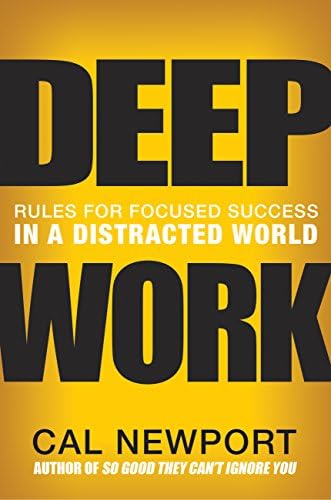
Cal Newport's Deep Work advocates for focus and concentration, though Richard notes the irony that Newport maintains extensive social media presence to promote his anti-digital message.
The Science of Delayed Gratification and Shortcuts
The Stanford marshmallow study showed children who delayed gratification were 'more successful in so many different ways' later in life through improved impulse control.
Digital shortcuts eliminate necessary friction that builds resilience, such as bypassing social interaction for instant sexual gratification through pornography.
Lottery winners statistically fare poorly because they lack the gradual resilience-building that entrepreneurs develop over '10 or 15 years to earn a fortune' - Richard.
Expediency may be 'the root of all evil' as people will 'make up lies, fabrications, justify poor behavior just so we can have the result without the effort.'
Accountability Systems and Community Building
Accountability statistics show 50% success with a plan alone, 65% with commitment to someone, and 95% success with specific appointments.
CrossFit and Orange Theory have lower churn rates than traditional gyms because they're 'very community driven' with no headphones allowed, forcing presence and connection.
Digital connections create isolation paradox: 'we've never been so connected in human history with digital devices, but we've never been more alone through isolation' - Richard.
Gratitude as a Perception Shift Tool
Gratitude exercises must be 'intermittent or inconvenient' rather than scheduled rituals to avoid becoming automatic and losing effectiveness.
Practicing gratitude shifted Richard's perception of road workers from annoyances to people who 'get to provide for their family and are making my community better.'
The 'I get to versus I have to' reframing transforms daily obligations into opportunities for appreciation and engagement.
Gratitude was 'the biggest needle mover' for Richard, creating openness to business opportunities and meaningful relationships.
Personal Responsibility vs. Group Accountability
'Group accountability undermines personal responsibility' - people assume others will handle civic duties like attending city council meetings or running for office.
Focus should start with 'your family, then your community, then state level' rather than being constantly angry about uncontrollable national issues.
Supply chain consolidation creates vulnerability with 'four major producers in the U.S.' controlling meat processing and manipulating prices for small farmers.
True diversity comes from varied skills and capabilities, not immutable characteristics - bringing together farmers, logistics experts, and platform builders creates actual strength.

These notes may contain occasional inaccuracies. Learn how podbrain notes are made
More in Self-Development

Can the Middle Class Be Saved? Political Division, Economic Doom & The Leadership Problem | Andrew Bustamante Pt. 2
Jun 20, 2026
The Career Trap That Makes Women Miserable - Suzanne Venker - #1113
Jun 20, 2026
How Immigration and War Test the Strength of Values and National Identity
Jun 19, 2026
7 Strategies for Becoming a Better Father | FRIDAY FIELD NOTES
Jun 19, 2026
ELECTROMAGNETISM Is The SECRET To Health: Biofield Tuning Explained | Eileen McKusick
Jun 15, 2026
.svg)