
Logan Ury: #1 Dating Mistake That Leads to the Wrong Relationship (Use THIS Compatibility Test Before You Get Attached)
Logan Ury, bestselling author of How to Not Die Alone and Hinge's Director of Relationship Science, joins Jay Shetty to tackle dating's biggest myths and challenges. With a background in behavioral science, Logan has developed frameworks that help people identify their dating...

Episode


- 01
Only 11% of people experience love at first sight - the 'spark' is often anxiety misinterpreted as chemistry
- 02
Logan's three dating tendencies framework identifies romanticizers, maximizers, and hesitators as the main dating blind spots
- 03
86% of adult men in the US are under 6 feet tall, yet height filters exclude most potential matches
- 04
Chalant dating means showing effort and vulnerability despite rejection risk - a 217% increase in usage shows people want authentic connection
- 05
The post-date eight questions focus on 'who am I around them?' rather than evaluating their resume
- 06
Friction maxing involves choosing inconvenience over convenience to create more human connection opportunities
- 07
40% of men aged 18-25 have never approached a woman in person due to surveillance culture fears
Get the latest ideas from On Purpose with Jay Shetty.
Plus the best new takeaways about relationships from other top podcasts — read in minutes, not hours.
By continuing, you agree to podbrain's Terms and Privacy Policy.
These notes may contain occasional inaccuracies. Learn how podbrain notes are made
Logan Ury, bestselling author of How to Not Die Alone and Hinge's Director of Relationship Science, joins Jay Shetty to tackle dating's biggest myths and challenges. With a background in behavioral science, Logan has developed frameworks that help people identify their dating blind spots and build better relationships.
The conversation explores Logan's three dating tendencies - romanticizers who believe in 'the one,' maximizers who endlessly search for someone better, and hesitators who wait to become 'perfect' before dating. Logan challenges the cultural obsession with the 'spark' and introduces concepts like chalant dating and friction maxing.
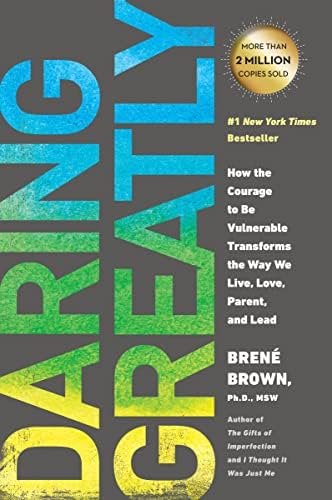
Drawing from research at Hinge and insights from The All or Nothing Marriage by Eli Finkel, they discuss how modern dating culture has created unrealistic expectations. Logan addresses the disconnect between what men think women want versus what women actually prioritize, referencing Brené Brown's observations about vulnerability from Daring Greatly.
The Three Dating Tendencies That Block Love
Logan's framework identifies three dating blind spots: romanticizers believe in soulmates and 'the one,' maximizers constantly search for someone better, and hesitators wait to become perfect before dating.
The framework shifts focus from finding the perfect person to building the perfect relationship - 'it's 25% who you choose and 75% the effort you put in' versus society's belief in 95% choosing, 5% effort.
Most people can't identify their biggest dating issue because 'if they knew what their biggest issue was, they could fix it' - the tendencies reveal invisible patterns holding them back.
Why Gen Z Is More Romantic Than Expected
Despite appearing nihilistic, Gen Z is 30% more likely than millennials to believe in soulmates and 39% more likely to identify as romantic or idealistic about love.
Fear of rejection affects 95% of daters, with Gen Z particularly afraid of being 'cringe' or sincere due to surveillance culture where embarrassing moments get screenshotted and shared.
40% of men aged 18-25 have never approached a woman in person, showing how digital culture has eroded basic connection skills and increased approach anxiety.
The Spark Myth and Chemistry vs Anxiety
The biggest lie in love is the spark - only 11% of people experience love at first sight, yet rom-coms and Disney movies create unrealistic expectations of instant chemistry.
'We interpret it as chemistry when it's actually anxiety' - the spark often signals insecurity and uncertainty about where you stand with someone, not genuine compatibility.
The slow burn approach focuses on people who may not be initially sparky but would make amazing long-term partners, with interest growing over multiple dates rather than burning out quickly.
Chalant Dating: The Antidote to Playing Games
Chalant dating combines effort and vulnerability, rejecting the 'battle of who can care less' mentality that has dominated dating for the past decade.
The term has seen a 217% increase in usage as people tire of nonchalant dating games - 'I want a chalant guy, I want someone to chalant me down.'
72% of women on Hinge prefer effort over money, yet men often think they need six-figure salaries when women actually want emotional intelligence and availability.
What Actually Matters for Long-Term Success
Overrated factors include looks (due to adaptation over time), money, similar personalities, and shared hobbies - these don't correlate with relationship satisfaction.
Underrated factors include kindness, emotional stability, growth mindset, ability to fight well together, and 'what side of you that person brings out.'
Height requirements eliminate 86% of potential matches since 86% of adult men in the US are under 6 feet tall, yet height doesn't predict relationship success.
The Post-Date Eight and Dating Experientially
Eight questions to ask after dates focus on 'who am I around them?' rather than 'are they good enough for me?' - including how you felt in your body, whether you felt heard and attractive.
Dating experientially means evaluating the experience of being together versus dating evaluatively to test if someone meets your criteria.
The key question shifts from 'did I find them attractive?' to 'did I feel attractive around them?' - focusing on the dynamic rather than individual assessment.
Friction Maxing and Creating Connection Opportunities
Friction maxing means choosing inconvenience over convenience to create human connection - going to grocery stores instead of ordering delivery, taking public transit over rideshares.
'The cost of community is inconvenience' - people optimize for frictionless lives but miss opportunities to meet others through shared experiences and challenges.
Logan lived in a commune with 20 friends during the pandemic, calling those 'some of the happiest years of my life' despite the friction of group decision-making.
Love as Acceptance and Sustained Effort
Logan defines love as acceptance - 'you're not under the microscope, they're really just like I love you in all your messiness' without judgment or conditions.
Love is necessary but not sufficient - relationships also require sustained effort and recalibration during difficult periods, as described in The All or Nothing Marriage.
The vulnerability paradox from Daring Greatly shows women want men to be vulnerable but 'the second that they do, women can't stand it' - society hasn't figured out modern masculinity.


These notes may contain occasional inaccuracies. Learn how podbrain notes are made
More in Self-Development
Can the Middle Class Be Saved? Political Division, Economic Doom & The Leadership Problem | Andrew Bustamante Pt. 2
Jun 20, 2026
The Career Trap That Makes Women Miserable - Suzanne Venker - #1113
Jun 20, 2026
How Immigration and War Test the Strength of Values and National Identity
Jun 19, 2026
7 Strategies for Becoming a Better Father | FRIDAY FIELD NOTES
Jun 19, 2026
ELECTROMAGNETISM Is The SECRET To Health: Biofield Tuning Explained | Eileen McKusick
Jun 15, 2026
.svg)