
Leila Hormozi: Feel Like You’re Working Hard but Not Getting Ahead? (Use THIS Simple Filter to Focus on What ACTUALLY Makes You Money)
Jay Shetty interviews Leila Hormozi, self-made entrepreneur and investor who has built and scaled companies worth hundreds of millions of dollars. As CEO and co-founder of Acquisition.com alongside her husband Alex Hormozi, Leila brings a unique perspective on leadership, emotional management, and sustainable business...

Episode


- 01
Confidence is an output, not an input - you build confidence by developing competence through evidence of actually doing the thing
- 02
The number one reason businesses fail is founders' inability to manage their own emotions during uncertainty and turmoil
- 03
Discipline is a system: make it easier to do things that support your goals and harder to do things that work against them
- 04
Effective feedback anchors to the person's stated goals and tells them what to do instead, not what they did wrong
- 05
To reach $100K revenue: sell one thing to one person through one channel - focus on simplicity over complexity
- 06
The most underrated leadership skill is being a chameleon - adapting your style to each team member's needs and communication preferences
- 07
Patience is the rarest and most valuable skill for people in their twenties - focus on mastering current skills before seeking advancement
- 08
Creating money is building a system that generates money - it's a form of discipline and a learnable skill
Get the latest ideas from On Purpose with Jay Shetty.
Plus the best new takeaways about leadership from other top podcasts — read in minutes, not hours.
By continuing, you agree to podbrain's Terms and Privacy Policy.
These notes may contain occasional inaccuracies. Learn how podbrain notes are made
Jay Shetty interviews Leila Hormozi, self-made entrepreneur and investor who has built and scaled companies worth hundreds of millions of dollars. As CEO and co-founder of Acquisition.com alongside her husband Alex Hormozi, Leila brings a unique perspective on leadership, emotional management, and sustainable business growth.
The conversation explores the psychology behind confidence building, revealing how competence creates evidence which then builds genuine confidence. Leila shares her journey from struggling with insecurity at 19 to becoming a successful business leader, emphasizing that confidence comes after competence, not before.
They dive deep into leadership principles, discussing how the best leaders influence behavior when they're not in the room, the importance of emotional regulation during business crises, and why traditional work-life balance advice misses the mark. Leila also addresses common misconceptions about women in leadership and the pressure to appear hyper-independent.
The discussion covers practical business scaling advice, from the focused approach needed to reach first $100K in revenue to the leadership skills required for $10M+ companies. Throughout, Leila emphasizes the role of systems, patience, and values-driven decision making in building lasting success.
Confidence vs Competence: Why Affirmations Don't Work
"Confidence is an output, it's not an input. You don't get confidence by trying to be confident. Oftentimes confidence comes after you are competent in something" - Leila explains why mirror affirmations failed her at 19.
Building competence requires paying the price of never having done something before - Leila learned sales by walking up to strangers at Whole Foods and getting rejected repeatedly.
"What's good for us often feels bad in the moment, and what feels good in the moment is often bad for us in the long term" - the key insight about embracing discomfort for growth.
The motto "how can I be bad?" helps overcome perfectionism by taking the risks required to actually become good at something.
Emotional Management: The Real Reason Businesses Fail
"The number one reason that people cannot grow a business and that they don't succeed is because they cannot manage their own mind. They cannot manage their mind, and they cannot manage their emotions" - Leila.
A company growing from $2M to $90M annually collapsed to zero within six months of a lawsuit - not because of the lawsuit itself, but because the founder couldn't handle the emotional stress.
"The market doesn't put you out of business, you put you out of business" - most business failures stem from founders' low frustration tolerance rather than external factors.
During her hardest season managing four lawsuits, twelve direct reports, and performing three days a week, Leila doubled down on emotional management systems rather than giving up.
Building Disciplined Systems Instead of Relying on Willpower
"Discipline is a system - make it easier to do the things that you want to do to achieve your goals and harder to do the things that work against your goals."
To stop drinking, Leila moved out from living with six people who drank constantly, removing 50% of the environmental triggers immediately.
For weight loss: remove junk food from the house and delete food delivery apps from phone - if you want junk food, you have to drive to get it, creating friction.
"Memory is a liability" - successful discipline relies on environmental prompts and systems, not trying to remember to do the right thing.
Leadership Through Safety and Adaptive Communication
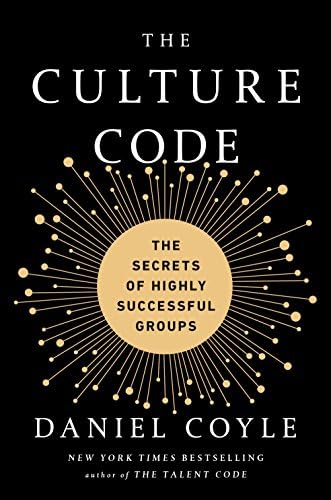
Drawing from The Culture Code by Daniel Coyle, the core leadership trait needed is safety - when people feel safe, they can receive feedback and perform at their best.
"The most underrated skill is being a chameleon" - effective leaders adapt their communication style to each team member rather than expecting everyone to adapt to them.
"Everything that you do is seen through a microscope and heard through a megaphone" - leaders must consider how every private conversation will affect the entire team culture.
The best leaders Leila knows are often the quietest people who give credit constantly, take blame, and focus on building up their teams rather than seeking attention.
Giving Feedback That Actually Works
Effective feedback anchors to the person's stated goals: "You want to be CEO of an operating company one day? In service of that goal, here's some feedback about that conversation."
"Tell them what to do instead" rather than focusing on what they did wrong - this reorients people toward future improvement rather than past mistakes.
"Do you want them to feel bad? Or do you want them to get better?" - the key question to ask yourself before giving feedback to ensure the right intention.
Most people don't know the difference between critiquing (showing the gap between current and ideal) and insulting (associating someone with something negative).
Scaling Revenue: The Focus Required at Each Stage
To reach first $100K: "One thing to one person through one channel" - avoid being scattered across multiple avatars, products, or sales processes.
To reach $1M: maintain the same focus but add consistency - you can reach $100K being inconsistent, but $1M requires doing the same things every week.
To reach $10M: get other people to be consistent for you while you build the next product or expand to new channels - this requires strong leadership systems.
"Patience is the number one trait of all that succeed" - the rarest skill in people in their twenties, exemplified by a team member who became director of sales at 23.
Redefining Work-Life Balance and Success
"A lot of people talk about work-life balance because they associate work with pain and suffering" - the real issue is not enjoying the work itself.
Leila works 12-hour days but with her spouse, friends, and family - questioning why she'd want balance when she genuinely enjoys the work and people.
The advice "do what you love" is incomplete - better advice is "do stuff you like, with people you like, in an environment you like."
Even as a cashier at a smoothie stand, Leila turned boring work into a game of making every customer smile, proving mindset matters more than the job itself.
Money, Values, and Sustainable Success
Rich Dad Poor Dad changed Leila's negative associations with money, helping her realize she needed to build positive associations through doing good with wealth.
"Creating money is building a system that generates money. It's a form of discipline, it's a skill" - money creation is learnable, not just about good intentions.
Leila has turned down multiple nine-figure business opportunities that didn't align with her values, prioritizing long-term integrity over short-term gains.
"With great power comes great responsibility" - Leila views money through the Spider-Man lens, seeing wealth as increasing both opportunity and responsibility to do good.


These notes may contain occasional inaccuracies. Learn how podbrain notes are made
More in Self-Development

Can the Middle Class Be Saved? Political Division, Economic Doom & The Leadership Problem | Andrew Bustamante Pt. 2
Jun 20, 2026
The Career Trap That Makes Women Miserable - Suzanne Venker - #1113
Jun 20, 2026
How Immigration and War Test the Strength of Values and National Identity
Jun 19, 2026
7 Strategies for Becoming a Better Father | FRIDAY FIELD NOTES
Jun 19, 2026
ELECTROMAGNETISM Is The SECRET To Health: Biofield Tuning Explained | Eileen McKusick
Jun 15, 2026
.svg)