
If You Feel Uncomfortable In New Social Situations, Listen to This (7 Science-Backed Shifts That Make Conversations Feel Easy)
This episode breaks down the neuroscience behind social anxiety and provides seven evidence-based strategies for transforming social interactions. The host explains how walking into rooms full of strangers triggers ancient biological threat-detection systems that impair our social abilities.

Episode


- 01
Walking into rooms full of strangers triggers ancient threat-detection biology - your amygdala floods you with stress hormones that literally impair social intelligence
- 02
Harvard research shows asking follow-up questions is the strongest predictor of being liked in conversations, not being funny or impressive
- 03
Princeton studies reveal people form first impressions in one-tenth of a second based on facial expression, body orientation, and energy - not words
- 04
The mere exposure effect means showing up consistently makes people rate you as more likable without ever speaking
- 05
The Polyvagal Theory explains that nervous systems are contagious - your regulated calm state literally makes others feel safer around you
- 06
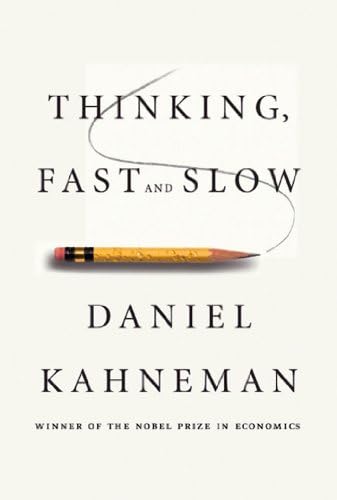
Kahneman's peak-end rule from Thinking, Fast and Slow shows people judge conversations by their most intense moment and ending, not duration
- 07
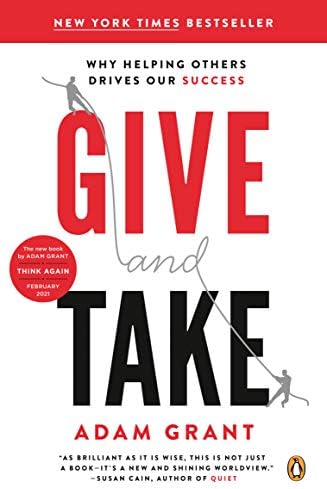
Give and Take research reveals giving people small roles activates the 'helper's high' - neurochemical rewards for being useful to others
Get the latest ideas from On Purpose with Jay Shetty.
Plus the best new takeaways from other top podcasts — read in minutes, not hours.
By continuing, you agree to podbrain's Terms and Privacy Policy.
These notes may contain occasional inaccuracies. Learn how podbrain notes are made
This episode breaks down the neuroscience behind social anxiety and provides seven evidence-based strategies for transforming social interactions. The host explains how walking into rooms full of strangers triggers ancient biological threat-detection systems that impair our social abilities.
Drawing from research at Yale, UCLA, Harvard, Princeton, and other institutions, the discussion covers how the amygdala's threat response shuts down prefrontal cortex function, why social rejection activates the same brain regions as physical pain, and how concepts from The Polyvagal Theory, Thinking, Fast and Slow, and Give and Take explain human connection.
The seven shifts move from understanding the biology of social anxiety to practical interventions: arriving with intentions not expectations, being the safest nervous system in the room, focusing on being interested rather than interesting, mastering the first ten seconds, using proximity strategically, giving people roles, and leaving conversations at their peak.
Why Your Brain Betrays You Around Strangers
The amygdala evolved to assume threat when encountering unfamiliar humans, flooding the body with cortisol and adrenaline that impairs prefrontal cortex function - the exact moment you need social skills most, your brain takes them offline.
Dr. Amy Arnsten's Yale research shows even moderate stress hormones impair prefrontal function, making you literally less articulate, creative, and socially intelligent when anxious.
UCLA's Dr. Naomi Eisenberger found that social exclusion activates the same brain regions as physical pain - your brain processes social rejection using identical neural hardware as a broken bone.
For ancestors, group exclusion meant death on the savannah, so when you walk into a room and feel awful, 'your brain is not broken, it's doing exactly what it was designed to do.'
Replace Expectations with Intentions to Avoid Neurochemical Punishment
Setting social expectations creates negative prediction errors - when reality falls short, dopamine drops below baseline making you feel worse than having no expectations at all.
Dr. Schultz's Cambridge research on dopamine signaling shows the gap between expectation and reality neurochemically punishes you, explaining why 'just be confident' is catastrophically bad advice.
Intentions like 'be genuinely curious about one person' or 'make someone feel noticed' can't fail because they live in your behavior, not outcomes - your brain stops scanning for failure and starts scanning for opportunities.
Become the Safest Nervous System in the Room
The Polyvagal Theory explains that humans unconsciously evaluate others through 'neuroception' - before you speak, their nervous system judges you as safe or unsafe based on your physiology.
Genuine eye contact, authentic smiles engaging eye muscles, open body language with visible palms, and regulated breathing all signal safety to other nervous systems.
Dr. Porges' research shows nervous systems co-regulate - your calm state is literally contagious, making others feel comfortable around you without knowing why.
Before social settings, breathe in for four counts and out for six for ninety seconds - the extended exhale activates your vagus nerve, shifting from fight-or-flight to rest-and-connect mode.
Stop Being Interesting, Start Being Interested
Harvard Business School research found the strongest predictor of being liked in first conversations was asking follow-up questions, not being funny, smart, or impressive.
Dr. Jason Mitchell's Harvard research shows talking about yourself activates brain reward centers comparable to food and money - asking genuine questions gives people neurochemical rewards.
Walk into conversations with the goal of discovering one unexpected thing about the person - this reframes from 'how do I come across?' to 'what can I discover?'
'The most magnetic person in any room is never the one talking. It's the one making someone else feel like the only person in it.'
Master the Critical First Ten Seconds
Princeton's Dr. Janine Willis and Dr. Alexander Todorov found people form first impressions in one-tenth of a second, and longer interactions don't meaningfully change these snap judgments.
First impressions aren't based on words but three things: genuine eye contact before speaking, authentic smiles that change your eyes, and orienting your body fully toward them.
Dr. Arthur Aron's Stonybrook research shows sustained mutual eye contact between strangers significantly increases feelings of closeness and triggers oxytocin release even without conversation.
Use Proximity and the Mere Exposure Effect
MIT's 1950s housing study by Dr. Leon Festinger found physical proximity was the strongest predictor of friendship formation - people near stairwells had more friends simply due to foot traffic.
University of Pittsburgh research showed students rated research assistants as more likable and attractive based solely on how many times they attended class, without any interaction.
The mere exposure effect means your brain equates familiarity with safety - position yourself in flow paths near entrances or drinks, and show up consistently to let this effect work.
Give People Roles to Resolve Social Ambiguity
University of Maryland research on cognitive closure shows humans have a fundamental need to resolve uncertainty - ambiguity is neurologically uncomfortable.
Instead of generic questions, give people expert roles: 'You look like you've been here long enough to know what's good. What should I try first?' transforms them from ambiguous stranger to helpful insider.
Give and Take research by Dr. Adam Grant shows people experience measurable increases in well-being and social bonding when positioned to help someone, activating the 'helper's high.'
Leave Conversations at Their Peak
Thinking, Fast and Slow describes Kahneman's peak-end rule: people judge experiences almost entirely by their most intense moment and final moment, barely remembering the rest.
A five-minute conversation ending on a high note is remembered more fondly than a twenty-minute conversation that fizzles out - length doesn't matter, the ending does.
When conversations hit high points, say something like 'I'm loving this conversation. I'm gonna go say hi to a few other people, but I really hope we get to finish this later.'
'People don't remember the person who talked to them the longest. They remember the person who made them feel the best in the shortest amount of time.'
These notes may contain occasional inaccuracies. Learn how podbrain notes are made
More in Self-Development

Can the Middle Class Be Saved? Political Division, Economic Doom & The Leadership Problem | Andrew Bustamante Pt. 2
Jun 20, 2026
The Career Trap That Makes Women Miserable - Suzanne Venker - #1113
Jun 20, 2026
How Immigration and War Test the Strength of Values and National Identity
Jun 19, 2026
7 Strategies for Becoming a Better Father | FRIDAY FIELD NOTES
Jun 19, 2026
ELECTROMAGNETISM Is The SECRET To Health: Biofield Tuning Explained | Eileen McKusick
Jun 15, 2026
.svg)