
Dr. Maya Shankar: Does Change Make You Feel Lost Or Uncertain? (Use THIS Framework To Find Direction Again and Use Change to Upgrade Your Life!)
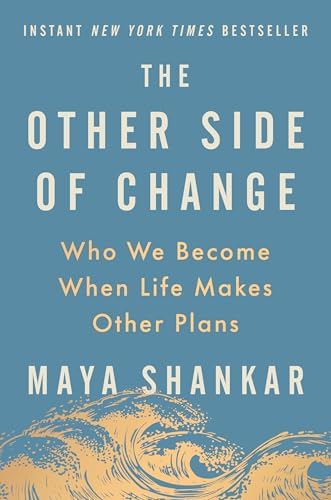
Jay Shetty interviews Dr. Maya Shankar, cognitive scientist and author of The Other Side of Change, in a live conversation about navigating unexpected life transitions. Shankar, who has worked in the White House and hosts the podcast "A Slight Change of Plans," brings both...

Episode


- 01
"One way to have a more secure self identity is to anchor yourself not simply to what you do, but to why you do that thing" - Maya
- 02
Research shows we're more stressed with 50% chance of electric shock than 100% certainty - uncertainty creates more anxiety than guaranteed pain
- 03
The "end of history illusion" makes us believe we've finished changing, when we actually transform through every major life transition
- 04
Self-affirmation exercises reduce denial and increase resilience by contextualizing threats within broader life meaning and values
- 05
"You don't have to be grateful for what happens to you. You have to be grateful for what you have after what happens to you"
- 06
Change can serve as revelation - the word "apocalypse" comes from Greek "apocalypsis" meaning revelation, not just destruction
- 07
Most limiting beliefs were inherited subconsciously from caregivers, teachers, or culture and deserve questioning during major transitions
- 08
Choosing discomfort through new skills or challenges builds resilience muscles for handling unexpected change when it arrives
Get the latest ideas from On Purpose with Jay Shetty.
Plus the best new takeaways from other top podcasts — read in minutes, not hours.
By continuing, you agree to podbrain's Terms and Privacy Policy.
These notes may contain occasional inaccuracies. Learn how podbrain notes are made
Jay Shetty interviews Dr. Maya Shankar, cognitive scientist and author of The Other Side of Change, in a live conversation about navigating unexpected life transitions. Shankar, who has worked in the White House and hosts the podcast "A Slight Change of Plans," brings both scientific research and personal experience to understanding how humans cope with unwanted change.
The discussion explores two types of change: the change we choose versus the change that chooses us. Shankar shares her formative experience losing her violin career at age 15 due to injury, which led her to study why some people transform adversity into strength while others struggle. Drawing from years of interviews and cognitive science research, she reveals how change threatens our self-identity and offers practical strategies for building resilience through uncertain times.
Why Identity Anchored to Actions Creates Vulnerability
Shankar's violin injury at 15 revealed how deeply we tie identity to what we do rather than why we do it, making change feel like losing ourselves entirely.
"I felt like Maya and the violin were inextricably attached, and in taking it away from me, I no longer had as much value" - Maya, describing how role loss threatens self-worth.
Society reinforces this by asking children "what do you want to be when you grow up?" instead of "who do you want to be?" or exploring their core passions.
Looking back to childhood playground behavior reveals core motivations - Shankar was drawn to understanding human psychology, foreshadowing her career path.
The Neuroscience of Why Uncertainty Feels Worse Than Pain
Research shows people experience more stress anticipating a 50% chance of electric shock than facing 100% certainty of receiving it.
Internal locus of control (believing we control outcomes) correlates with higher wellbeing, but makes unexpected change more devastating when it shatters that illusion.
The "end of history illusion" tricks us into believing we've finished changing, even though we acknowledge dramatic past transformations.
"We falsely believe that the present is this watershed moment in which we become the person we will be for the rest of our lives" - Maya on cognitive bias.
Self-Affirmation as a Tool for Contextualizing Crisis
During pregnancy loss, Shankar's husband suggested listing five things they were grateful for - initially dismissed as "toxic positivity" but scientifically proven effective.
Self-affirmation exercises involve articulating life values and meaning sources not threatened by current change, reducing tunnel vision and denial.
The practice revealed how single-minded focus on one goal (motherhood) had obscured the richness of her existing life - work, relationships, experiences.
"Did I go to bed overjoyed that night? Of course not. But did I go to bed feeling more whole? Yes, I did" - Maya on the exercise's impact.
Change as Revelation Rather Than Just Destruction
The word "apocalypse" derives from Greek "apocalypsis" meaning revelation - change can unveil hidden truths about ourselves and our beliefs.
Shankar's fertility journey revealed antiquated views about women's value being tied to motherhood, inherited from cultural and family messaging.
"Most of our beliefs were inherited subconsciously from caregivers, and we had so much love wrapped up in that caregiver that to challenge them would have been emotionally dangerous" - Maya.
People interviewed for The Other Side of Change weren't grateful for their hardships but were grateful for who they became through the process.
Building Change Resilience Through Chosen Discomfort
Michael Lewis recommended taking improv comedy classes to practice being off-balance and comfortable with uncertainty.
Chris Hemsworth actively seeks discomfort, arguing that customized comfort in modern life prevents the growth that comes from uncertain situations.
"I feel like that's the only vehicle for growth is to be in these uncertain, uncomfortable situations" - Chris Hemsworth on embracing challenge.
Learning new skills like languages or instruments creates controlled change experiences that build resilience muscles for handling unexpected transitions.
These notes may contain occasional inaccuracies. Learn how podbrain notes are made
More in Self-Development
Can the Middle Class Be Saved? Political Division, Economic Doom & The Leadership Problem | Andrew Bustamante Pt. 2
Jun 20, 2026
The Career Trap That Makes Women Miserable - Suzanne Venker - #1113
Jun 20, 2026
How Immigration and War Test the Strength of Values and National Identity
Jun 19, 2026
7 Strategies for Becoming a Better Father | FRIDAY FIELD NOTES
Jun 19, 2026
ELECTROMAGNETISM Is The SECRET To Health: Biofield Tuning Explained | Eileen McKusick
Jun 15, 2026
.svg)